Welcome to Woodchuck Wonderland
2025 Photos and Review
Season Summary
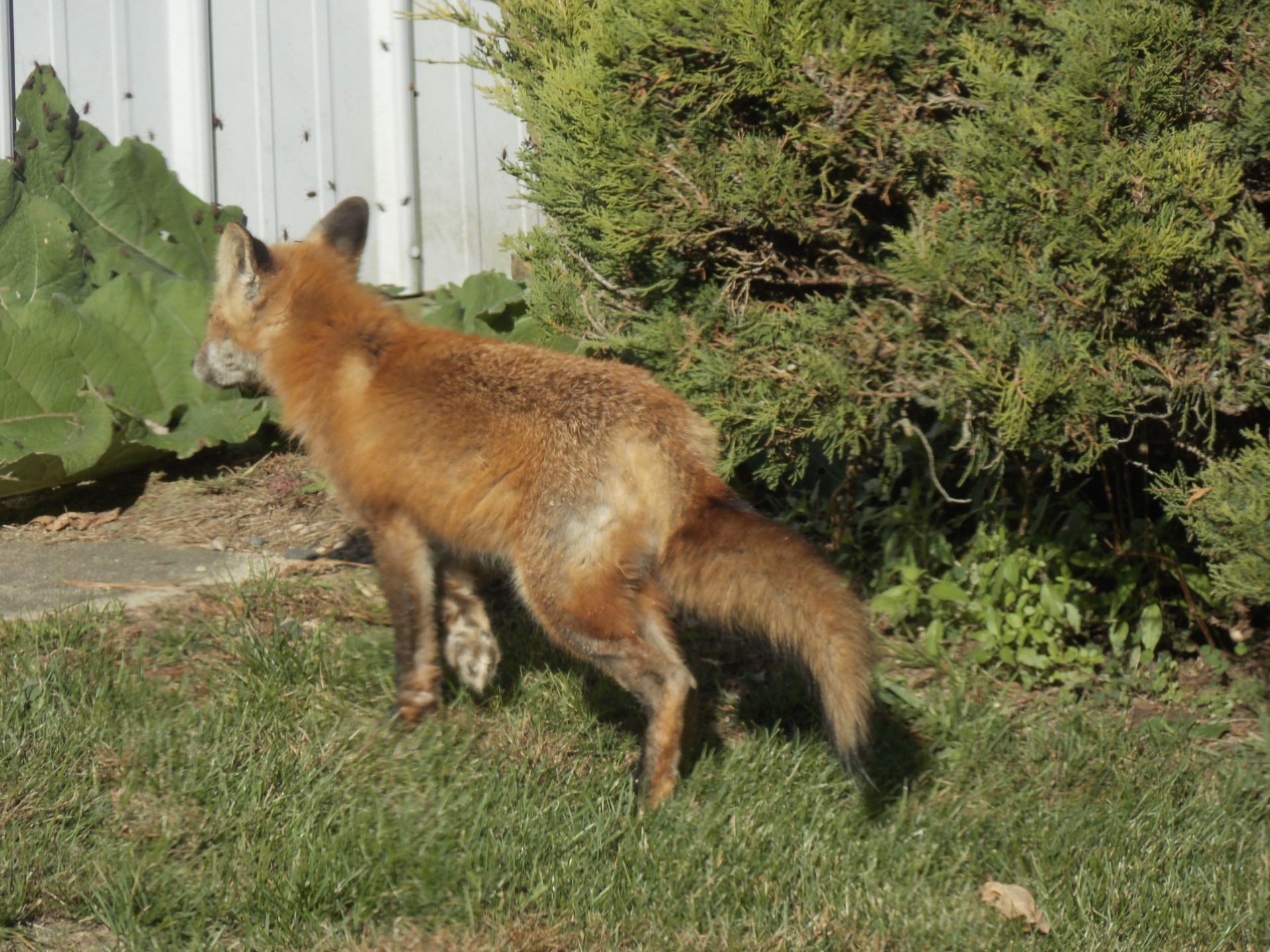
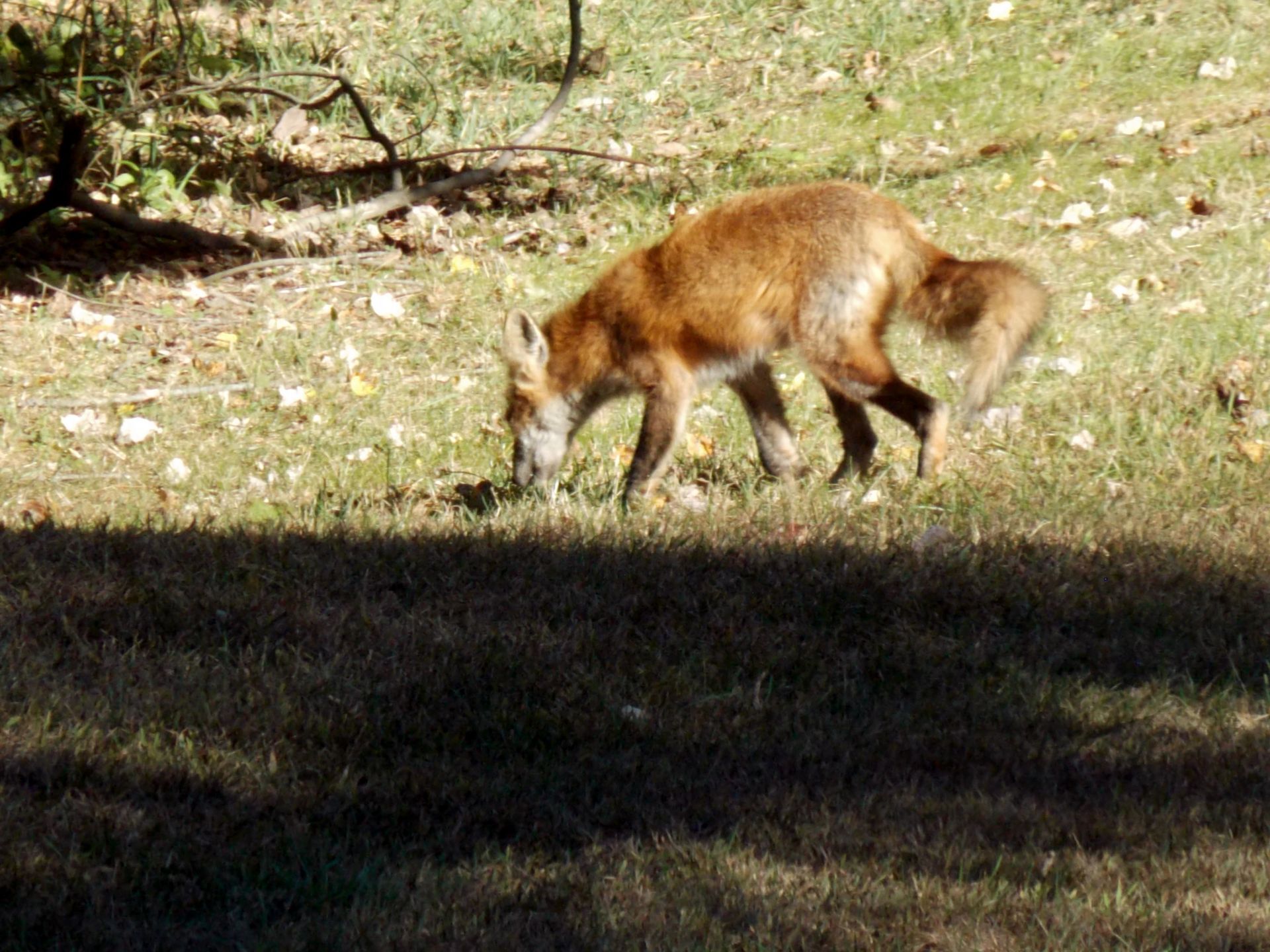
Predators, including red fox, continued to be part of the landscape in 2025, serving as a reminder that Woodchuck Wonderland is not an isolated or protected environment. Injuries and disappearances are documented factually, acknowledging the realities of life for wild animals.
Human activity on the property was deliberately adjusted to minimize impact on the groundhogs, particularly during the breeding and juvenile development period. Tree cutting was postponed until young groundhogs were older, and existing structures used by the animals—such as the front-yard railing—were replaced with care to preserve their utility as observation points. These decisions are part of an ongoing effort to coexist with, rather than manage, the wildlife presence here.
This 2025 summary presents a chronological account of the groundhog season from first emergence in March through the final sightings in November. It reflects what was observed, what could be confirmed, and what remains unknown. As with every year of this project, the emphasis remains on patience, accuracy, and respect for the animals who briefly allow us to share their world.
Identification
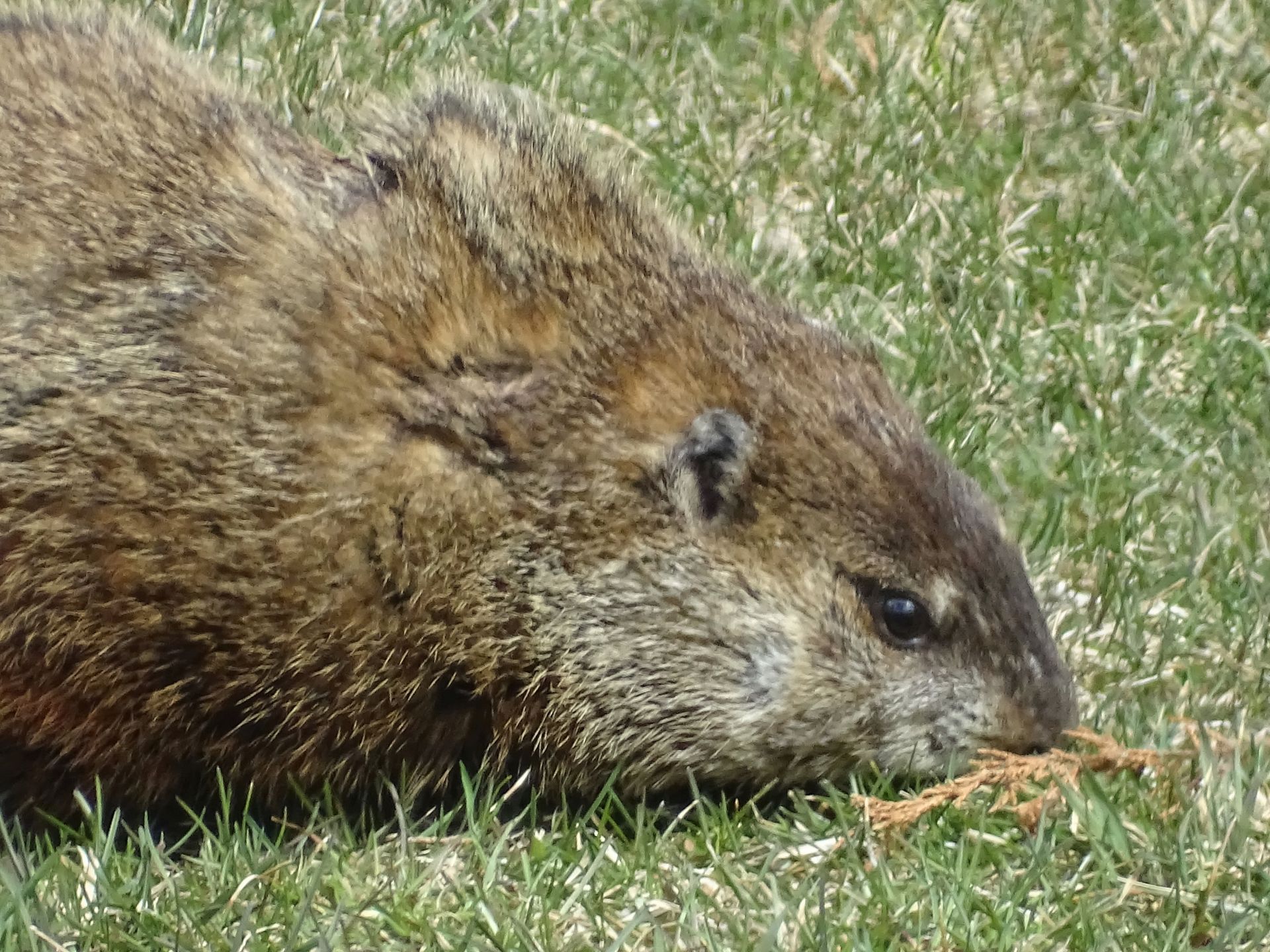
Identification of individual groundhogs is central to our project. In The Book of Marmots, marmot researcher Dan Blumstein emphasizes the importance of positive identification, noting that exact identity is essential for meaningful observation. While we are unable to mark or tag groundhogs at Woodchuck Wonderland, we follow this principle by relying on visible physical characteristics such as ear deformities, tail condition, scars, size differences, and consistent behavior patterns. Remote cameras and long-term photo review play a crucial role in confirming identities. This approach has allowed us to identify recurring individuals, seasonal patterns, changes in behavior, and shifting use of the property over time.
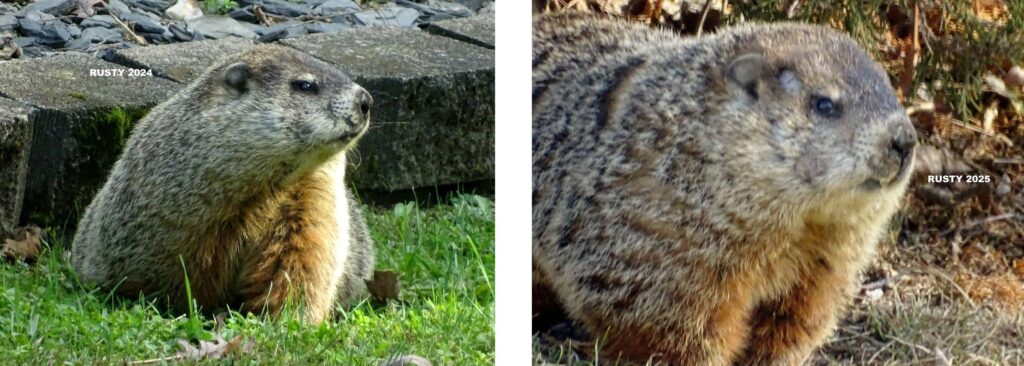
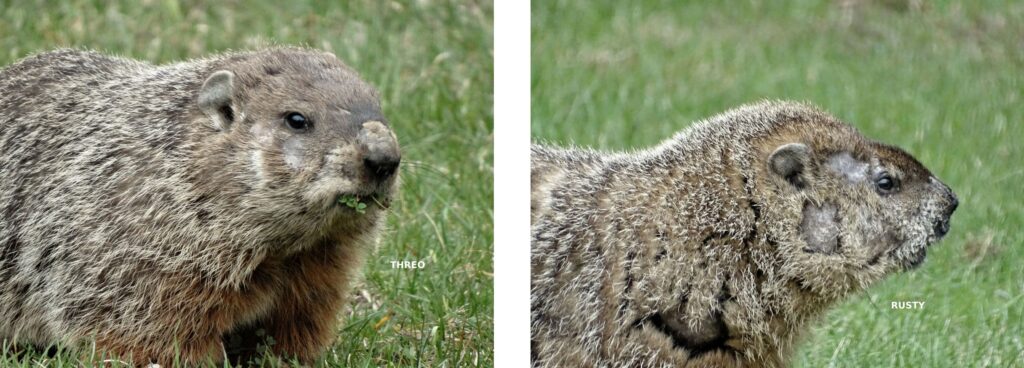
The 2025 season continued to demonstrate both the value and the limitations of this approach. Some individuals—such as Rusty and Winnie—were identifiable across multiple months, while others appeared briefly and remained unknown. Juveniles emerged, explored, and dispersed, and new adults arrived to patrol territory or forage before moving on. In some cases, conclusions about identity or timing were only possible after later review of photographs rather than in real time.
March – May
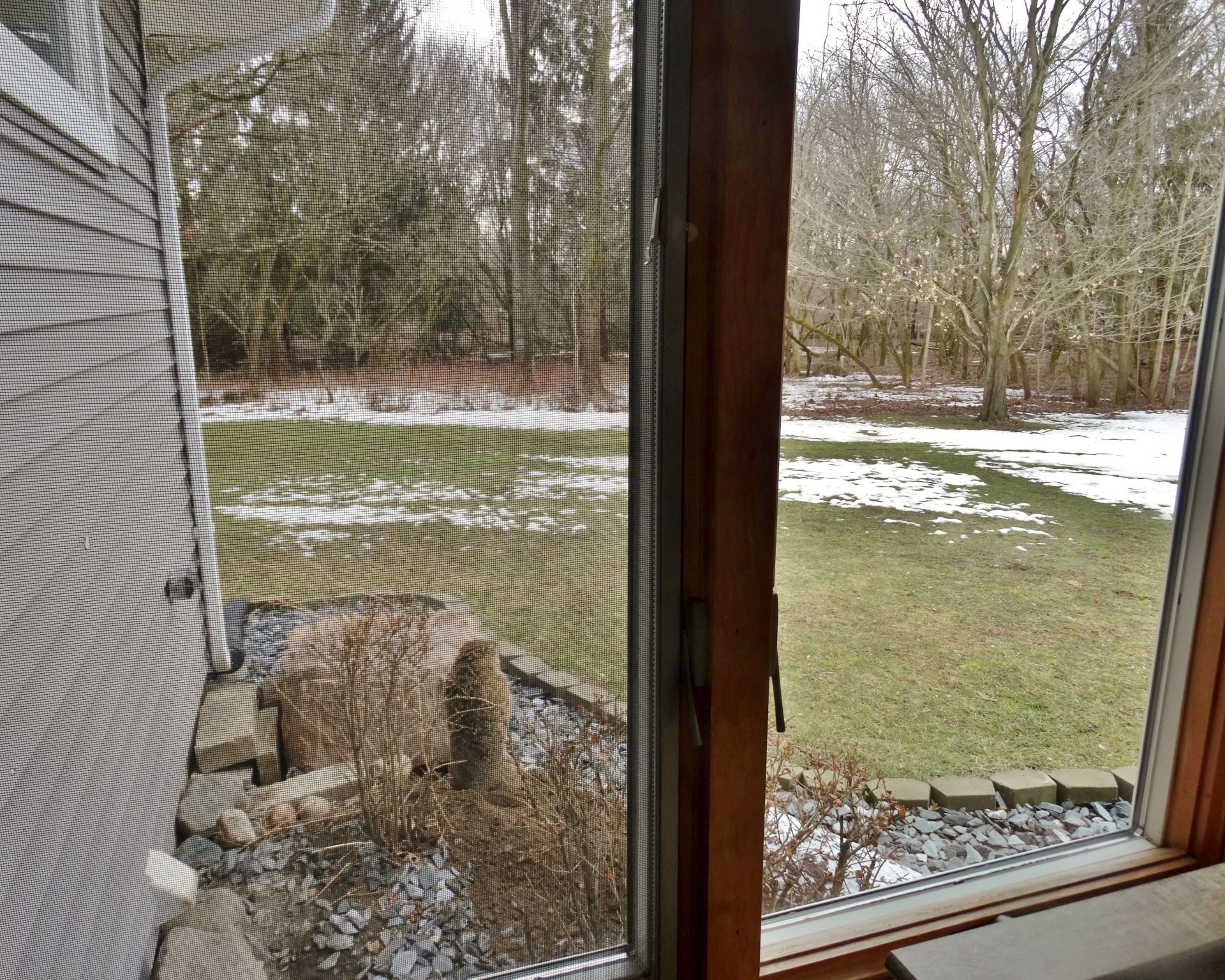
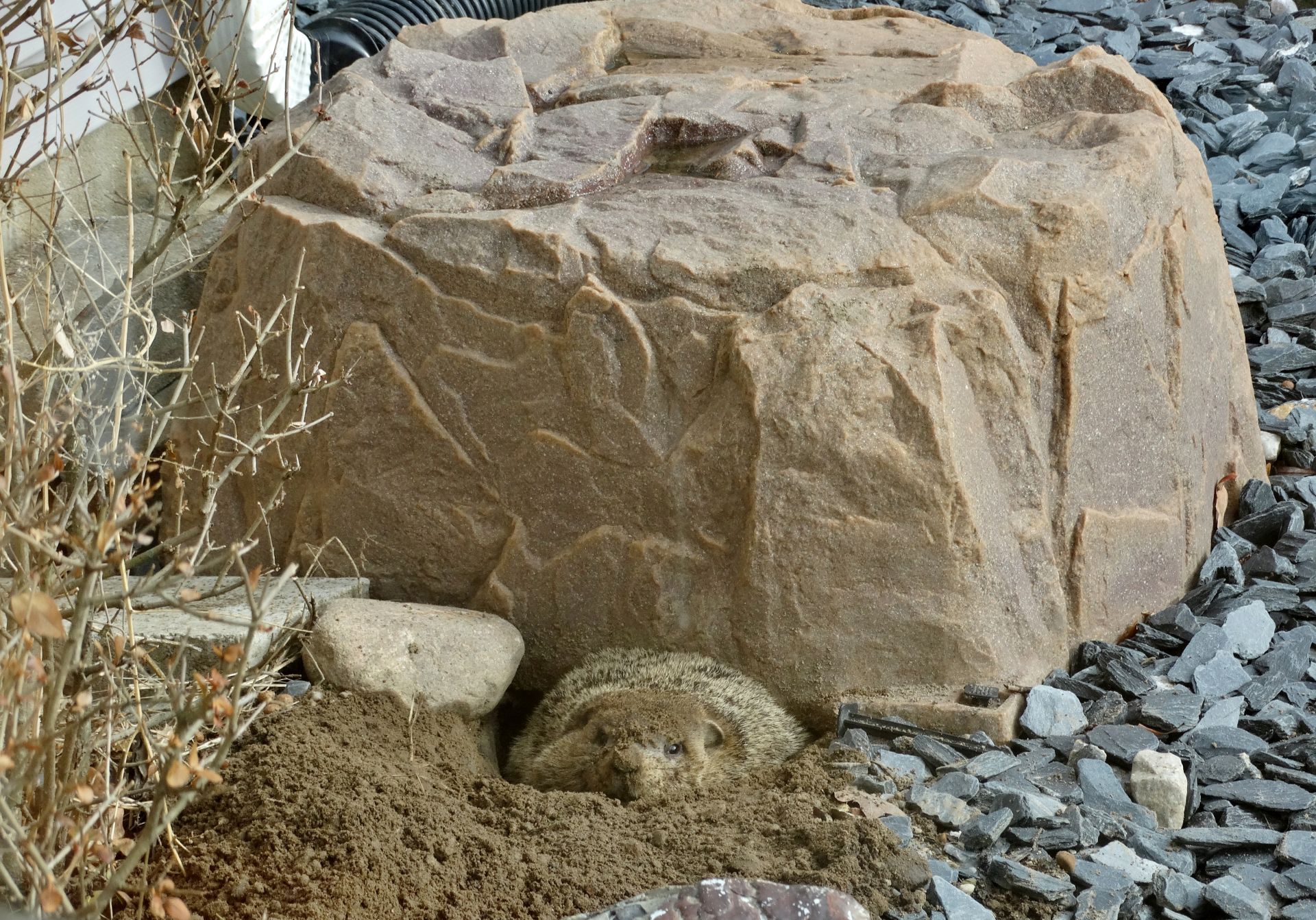
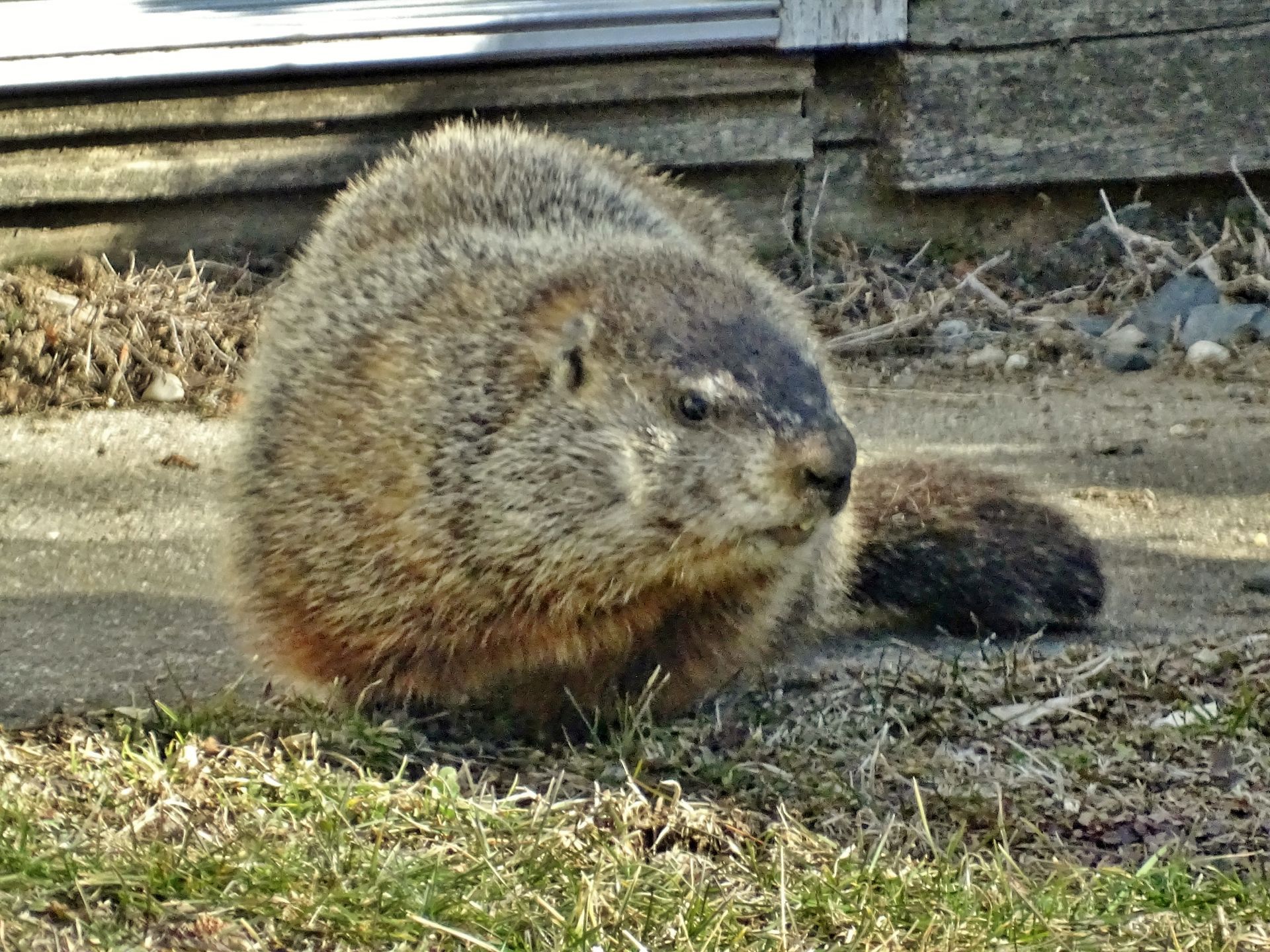
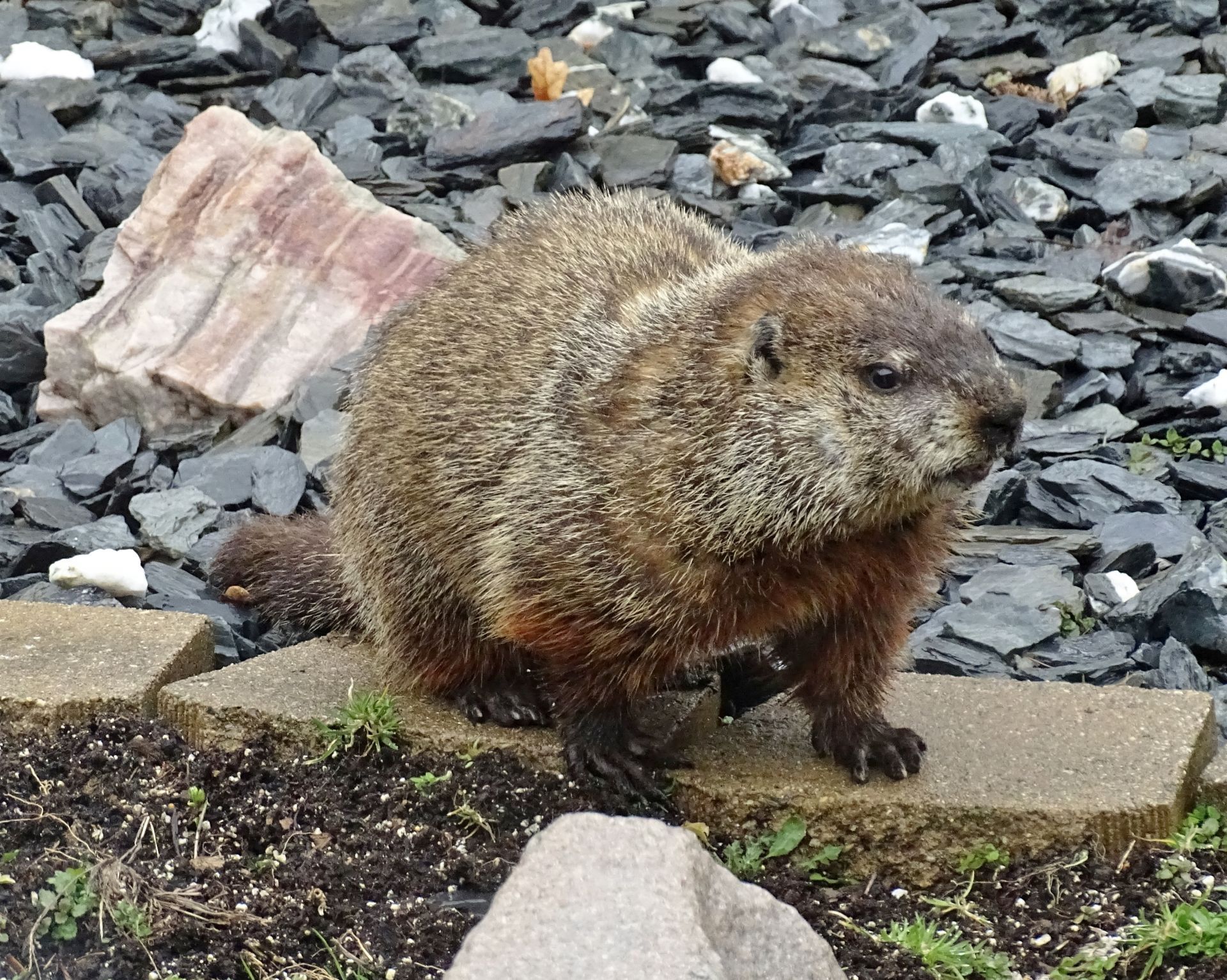
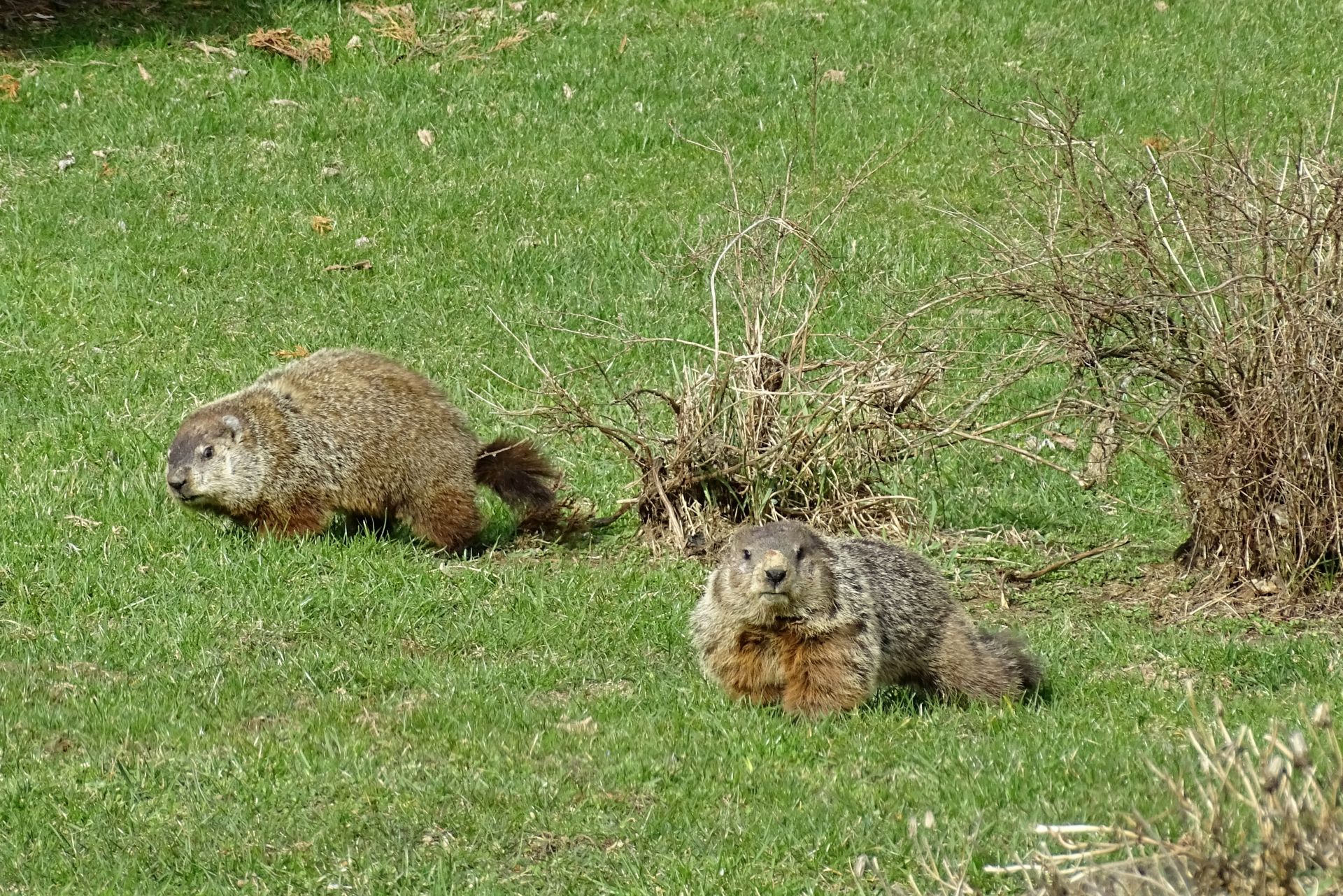
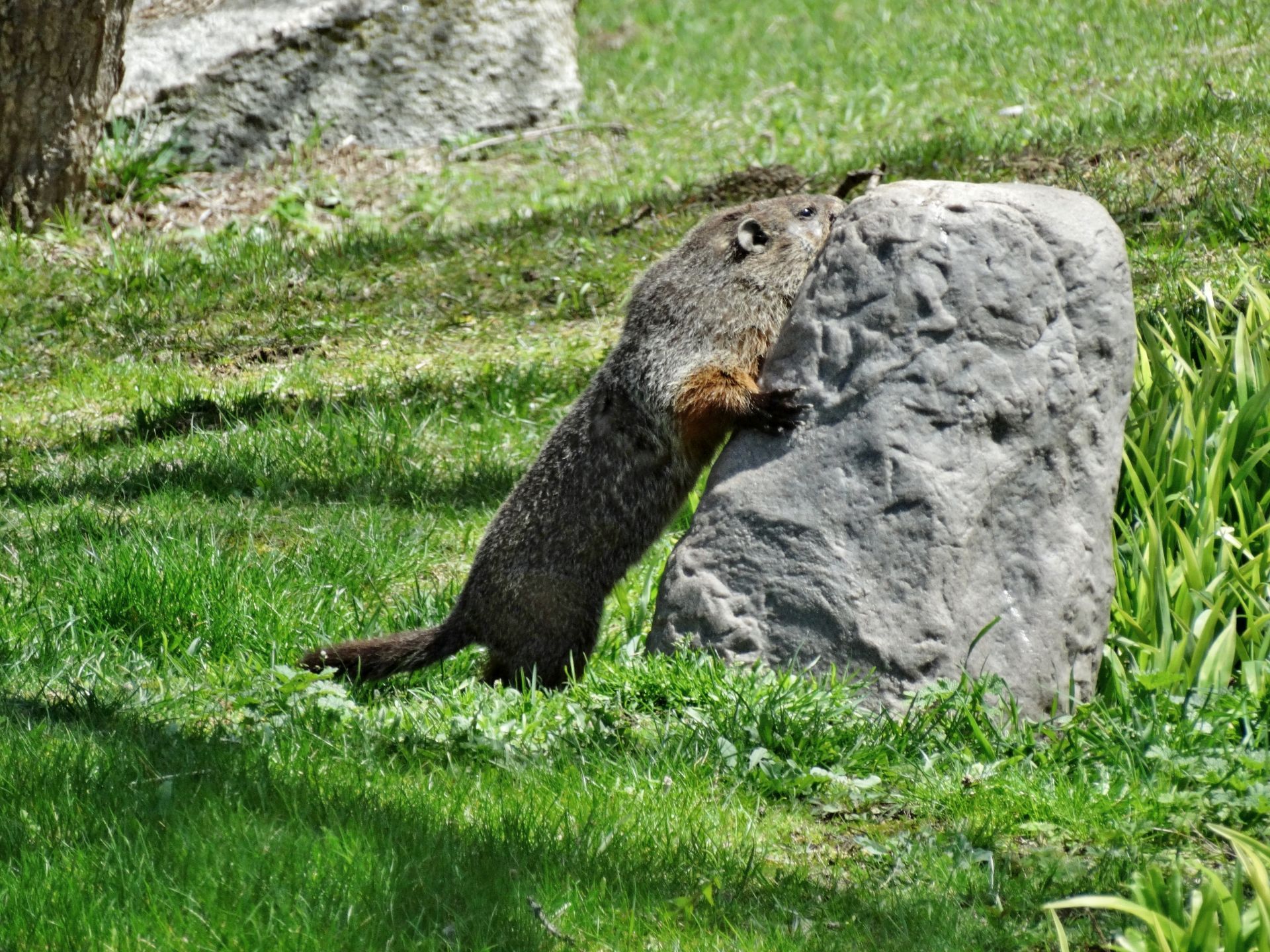
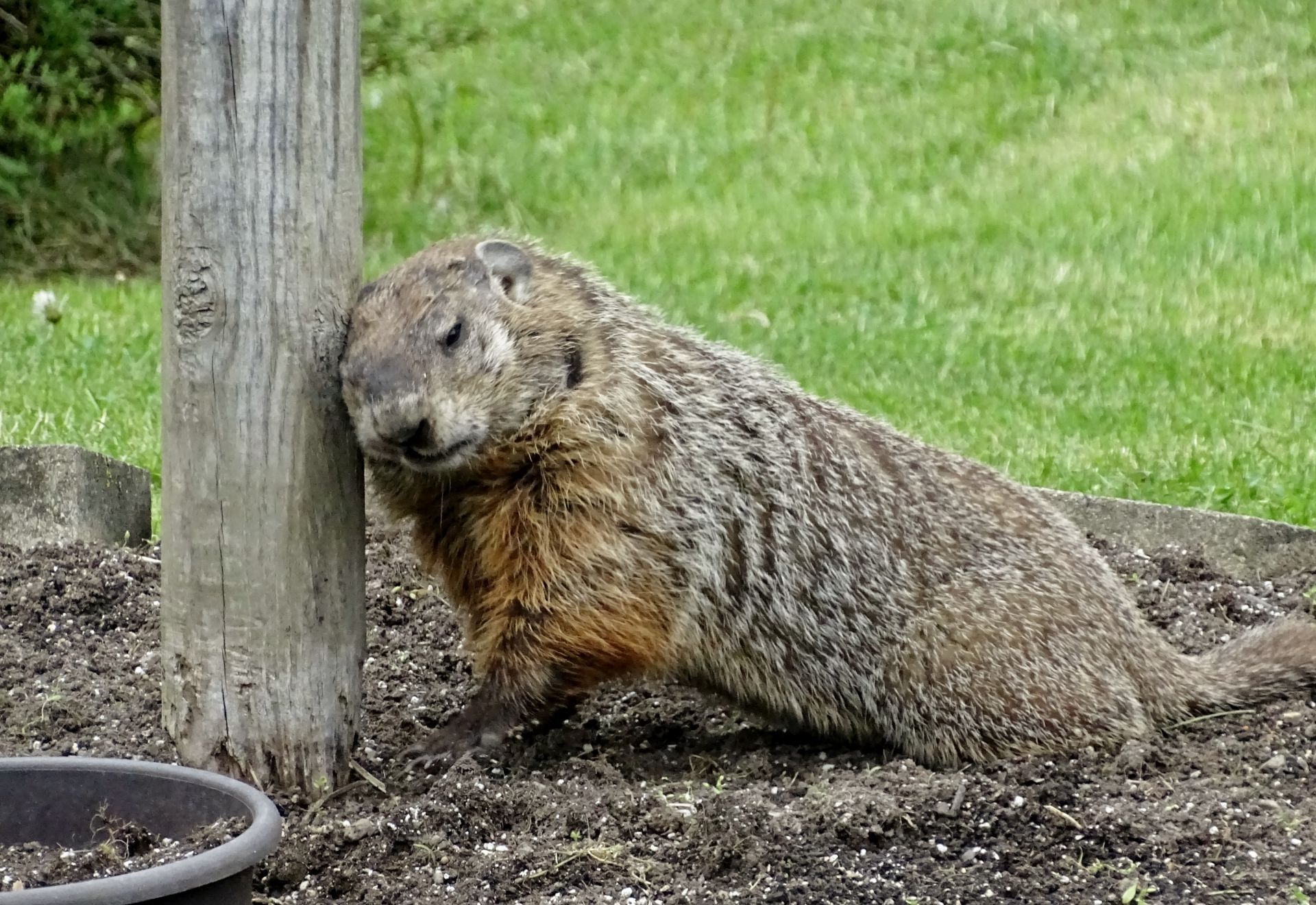
Our first groundhog sighting of the year was Rusty on March 5th. Like Milo, Rusty found the faux rock location too tempting to ignore and attempted to create a burrow beneath it. While he did manage to do some digging, he was unable to tunnel down due to the steel mesh wire we installed last year.
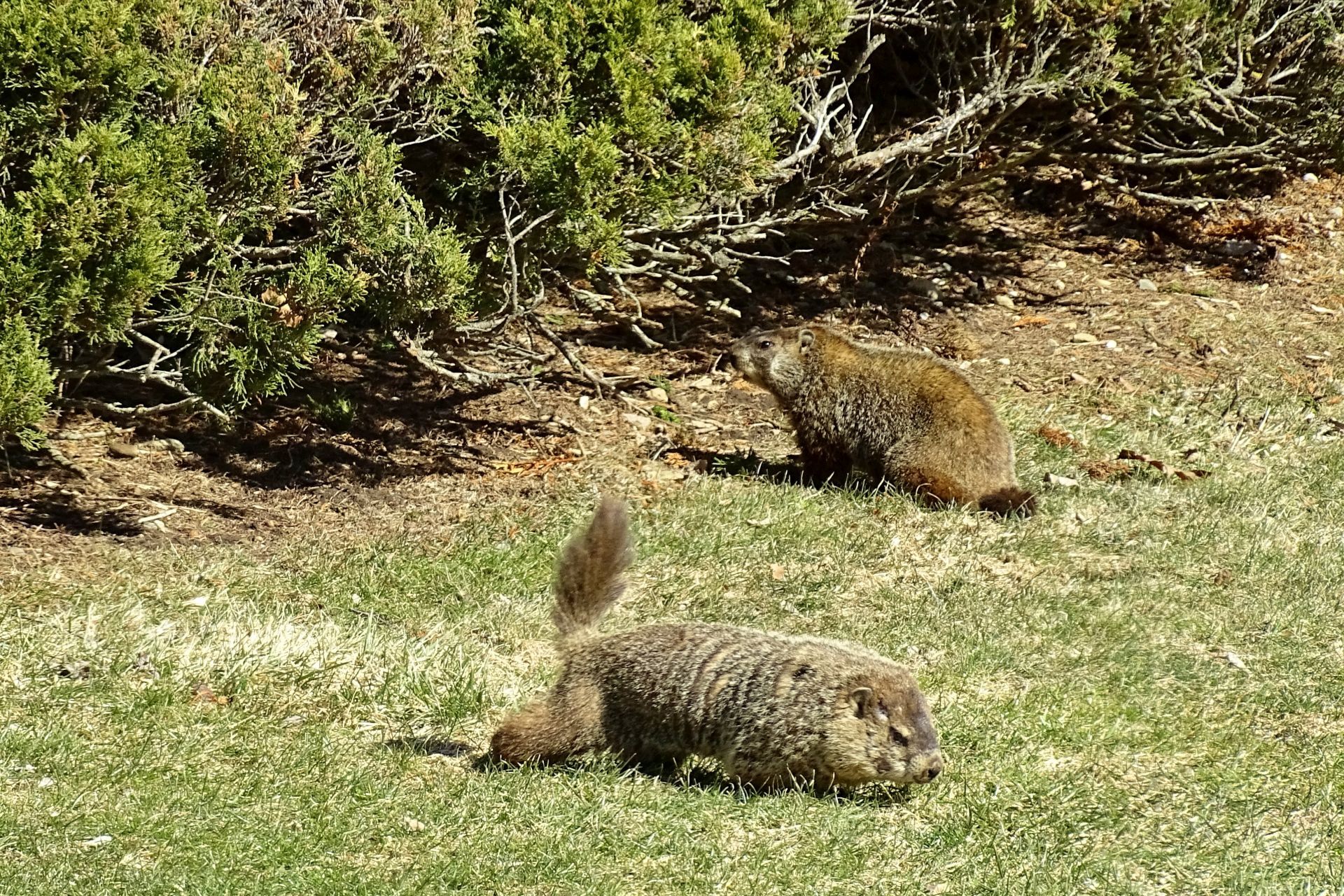
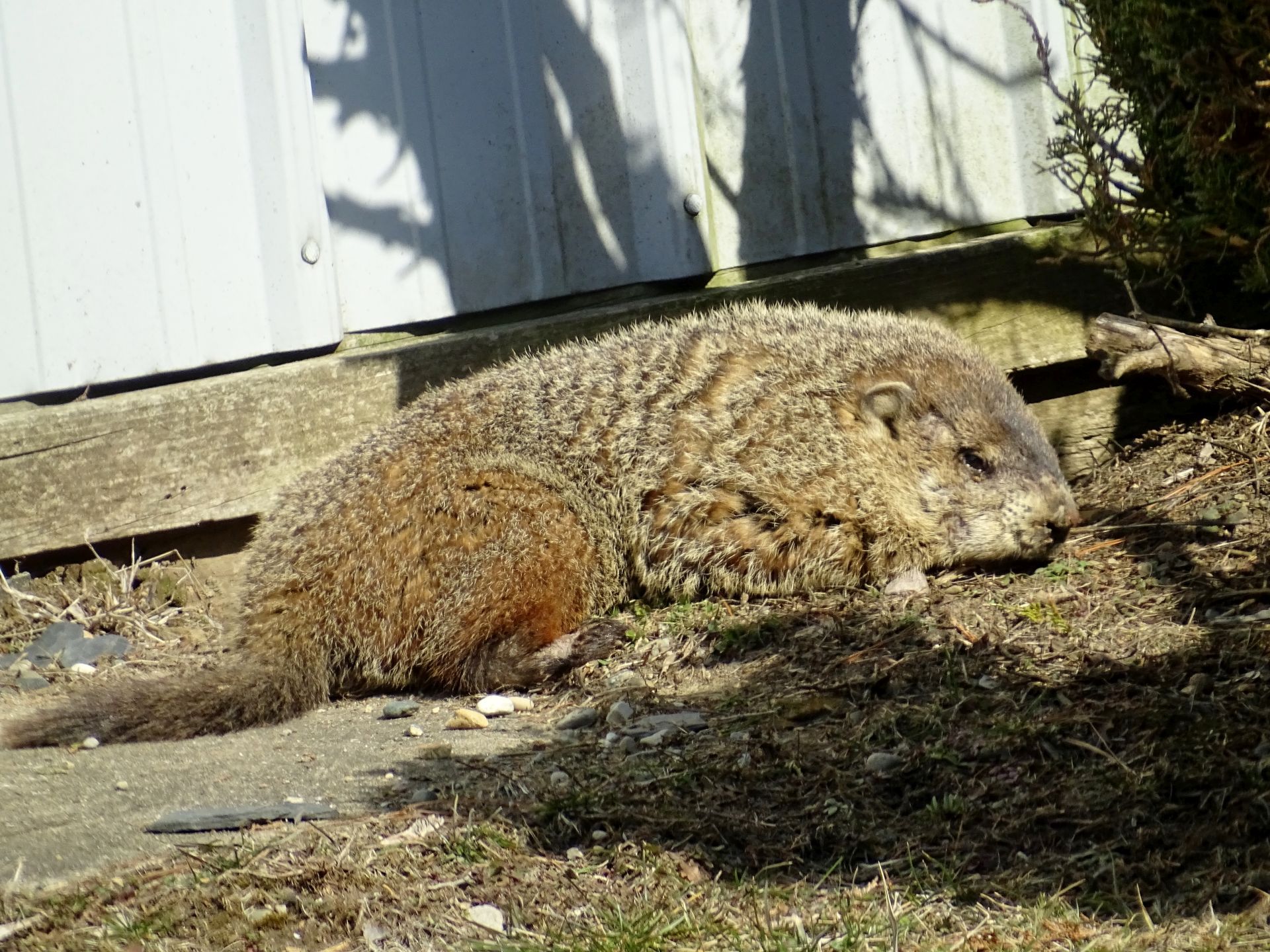
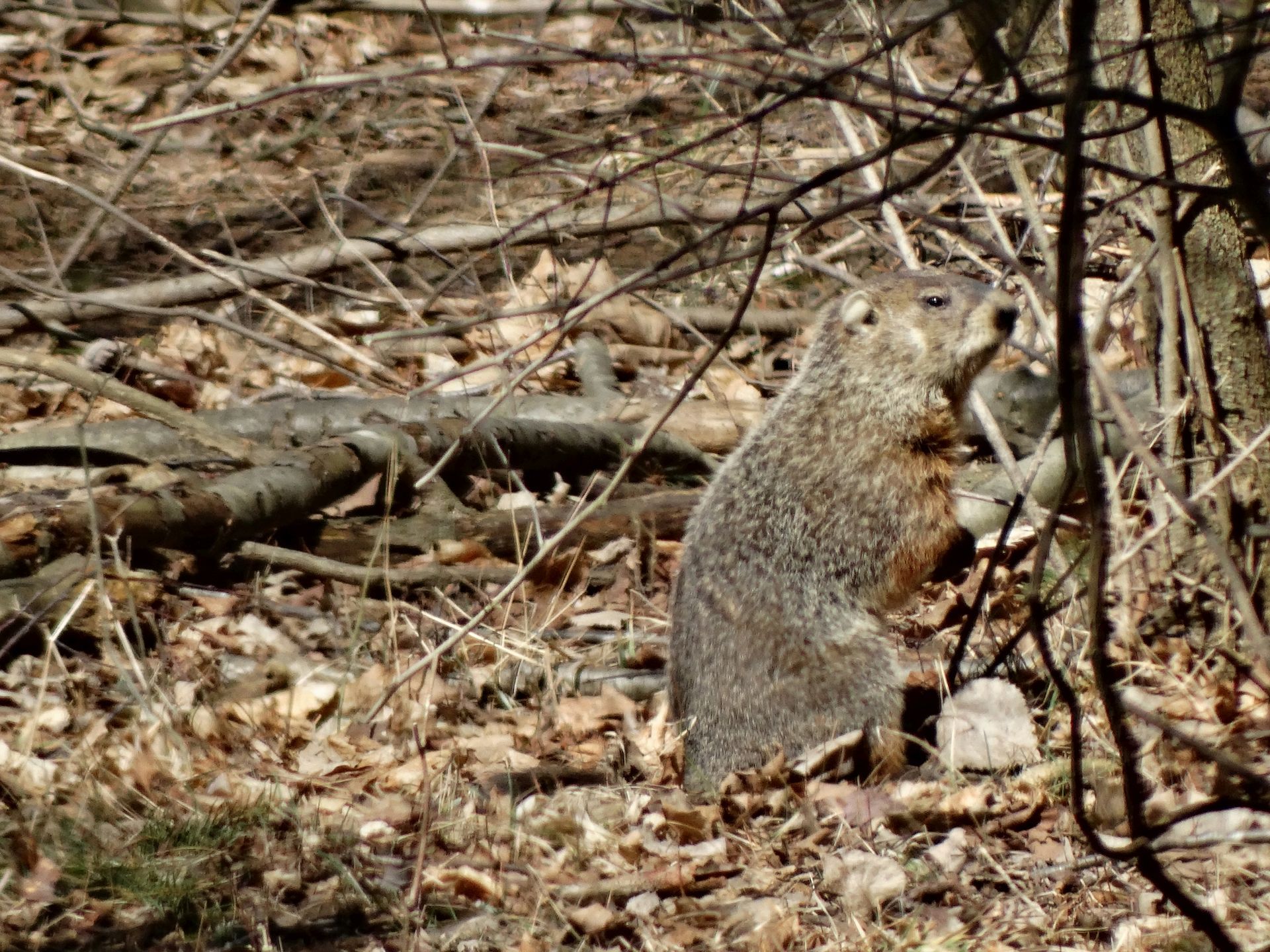
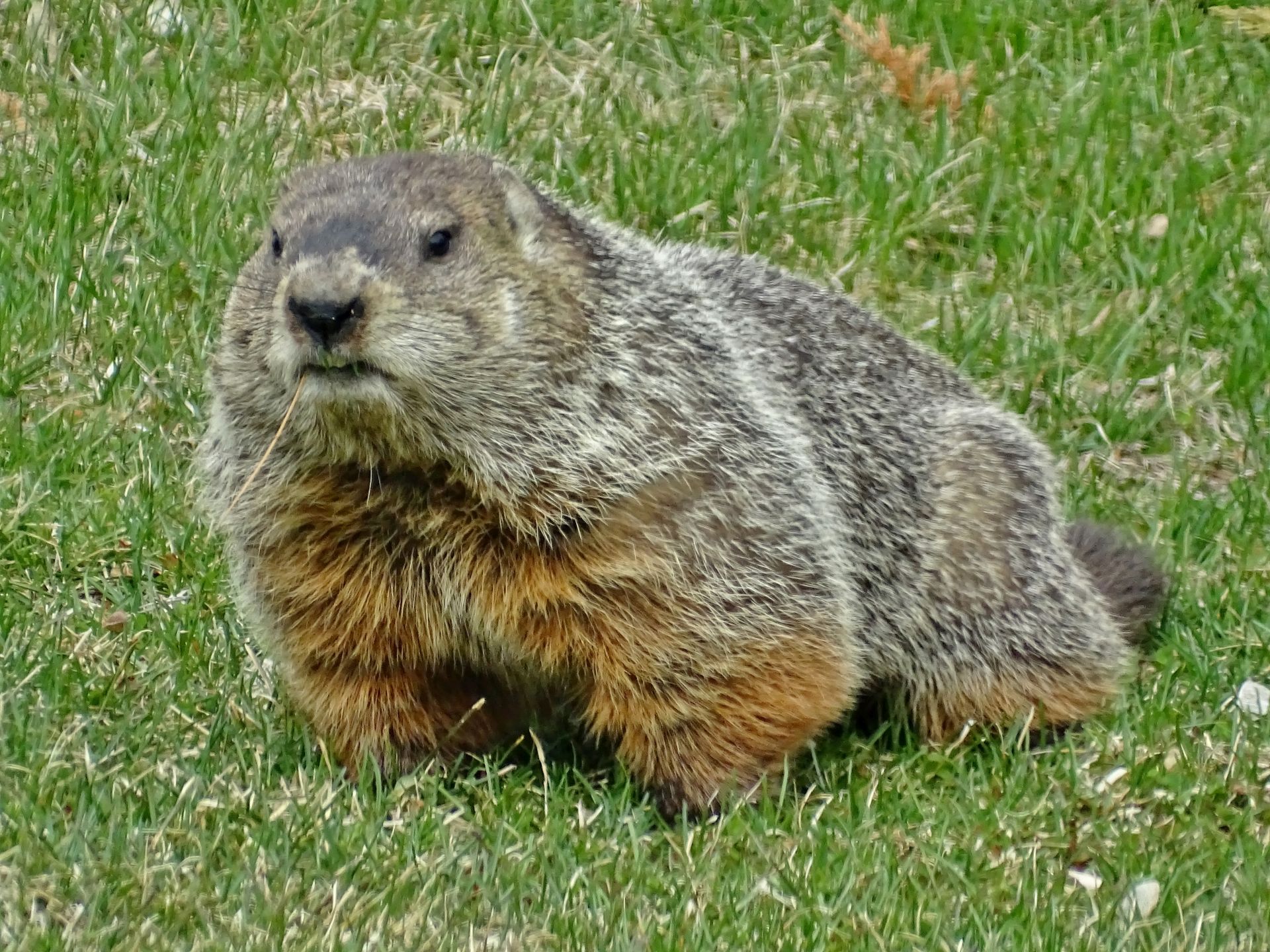
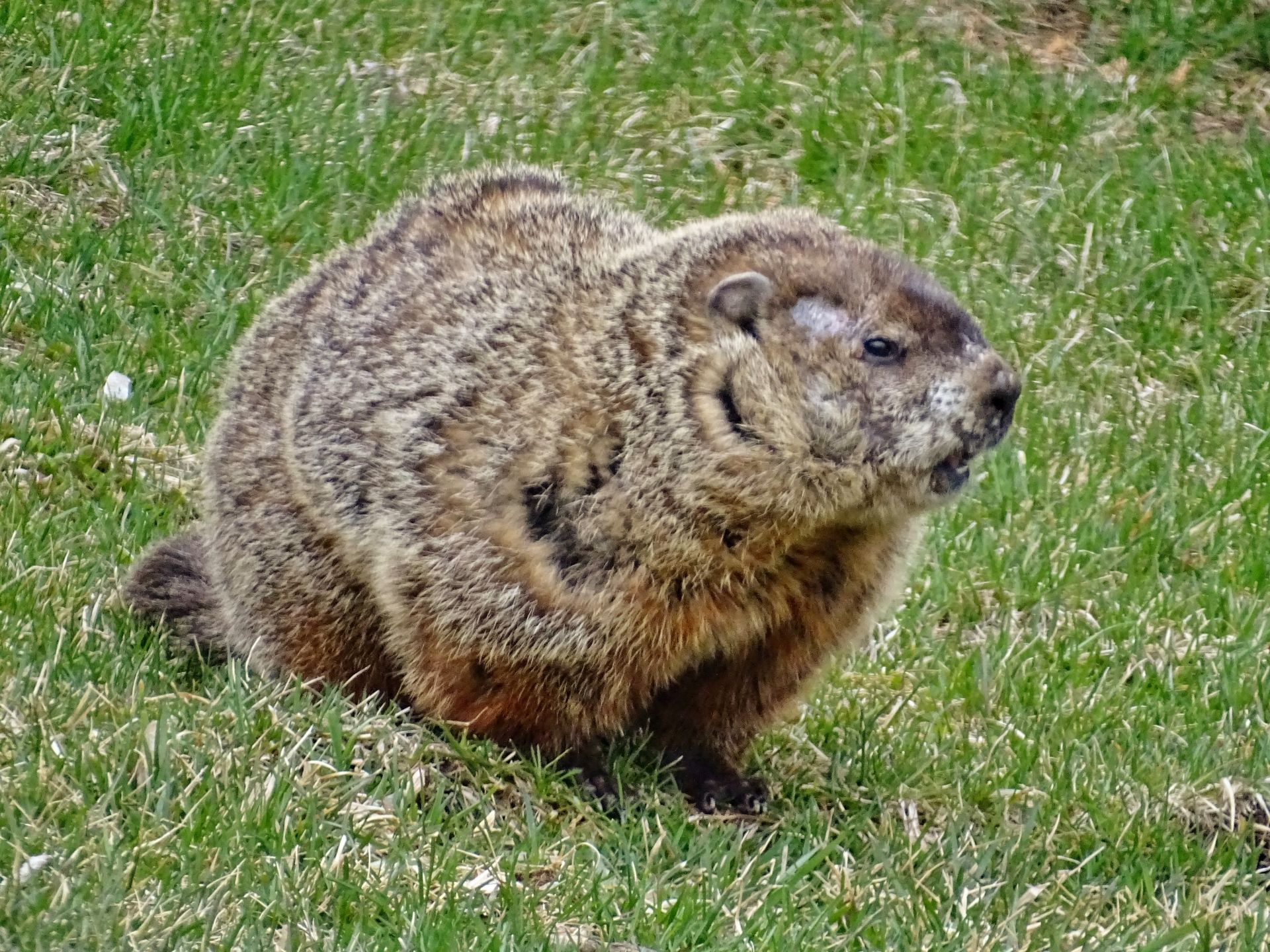
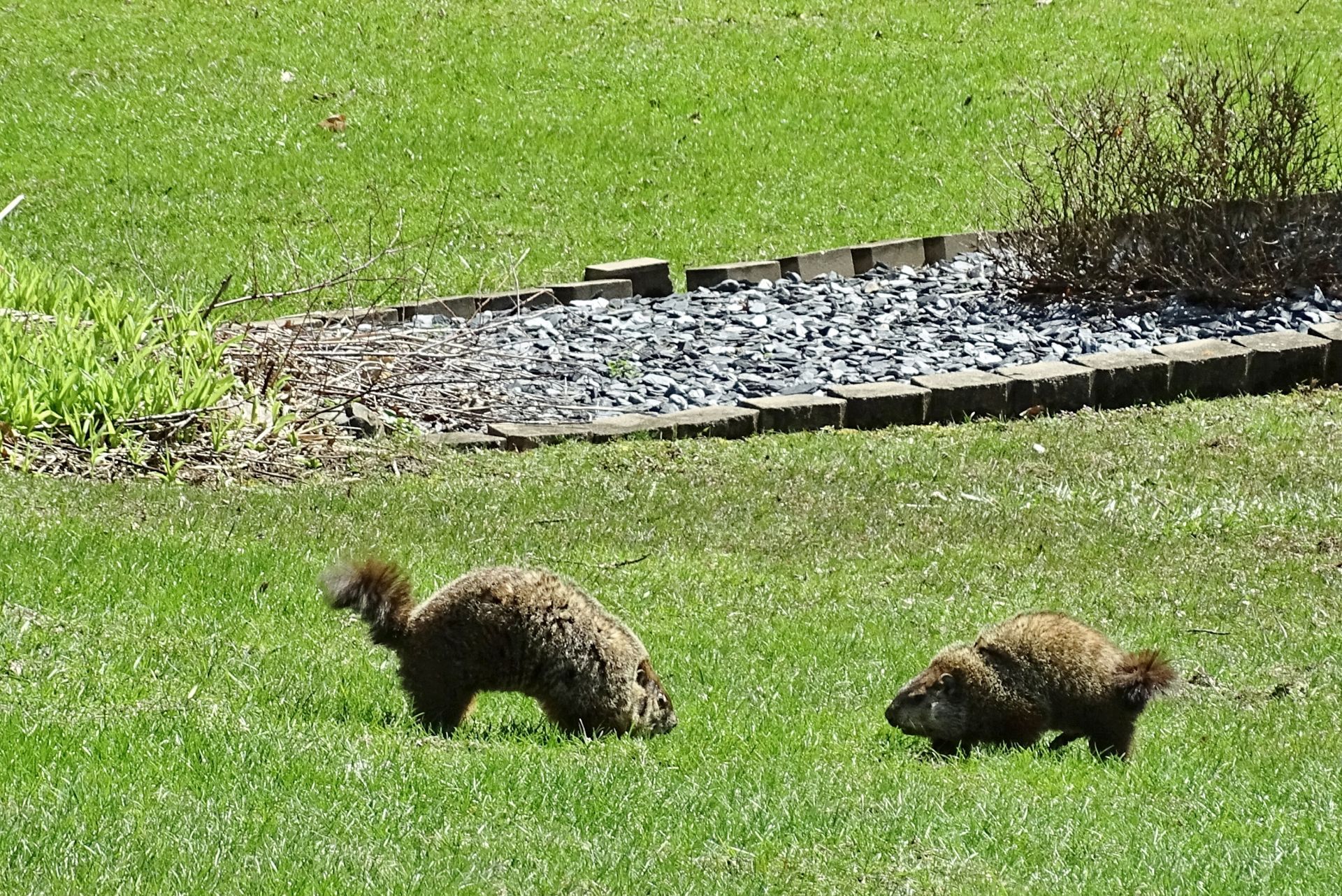
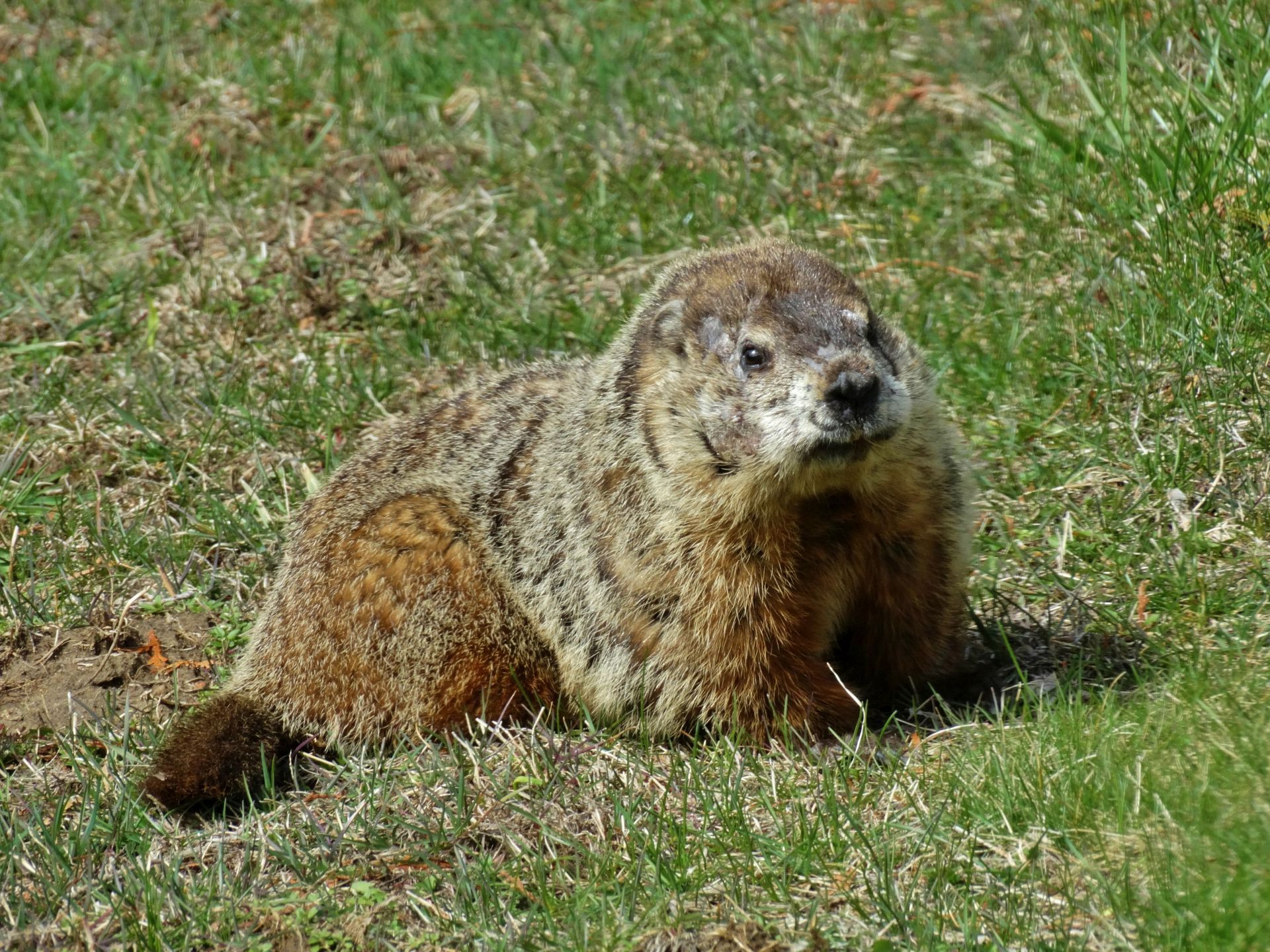
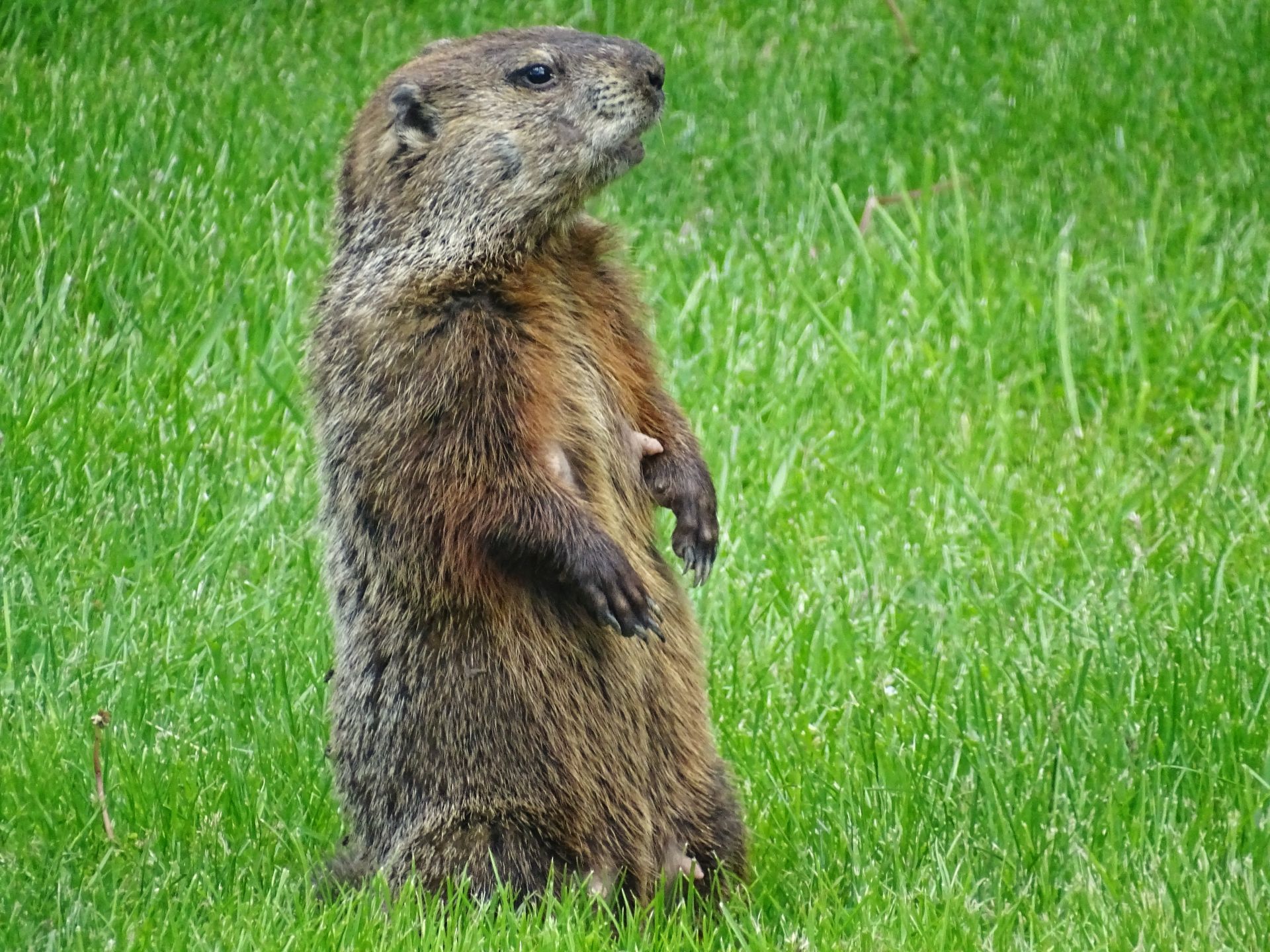
On March 9th, a second chuck—a female—was seen. She and Rusty were observed around the barn before both moved off toward the north-of-driveway burrow. While watching the two of them the following day, the female was identified as Winnie by her deformed ear.
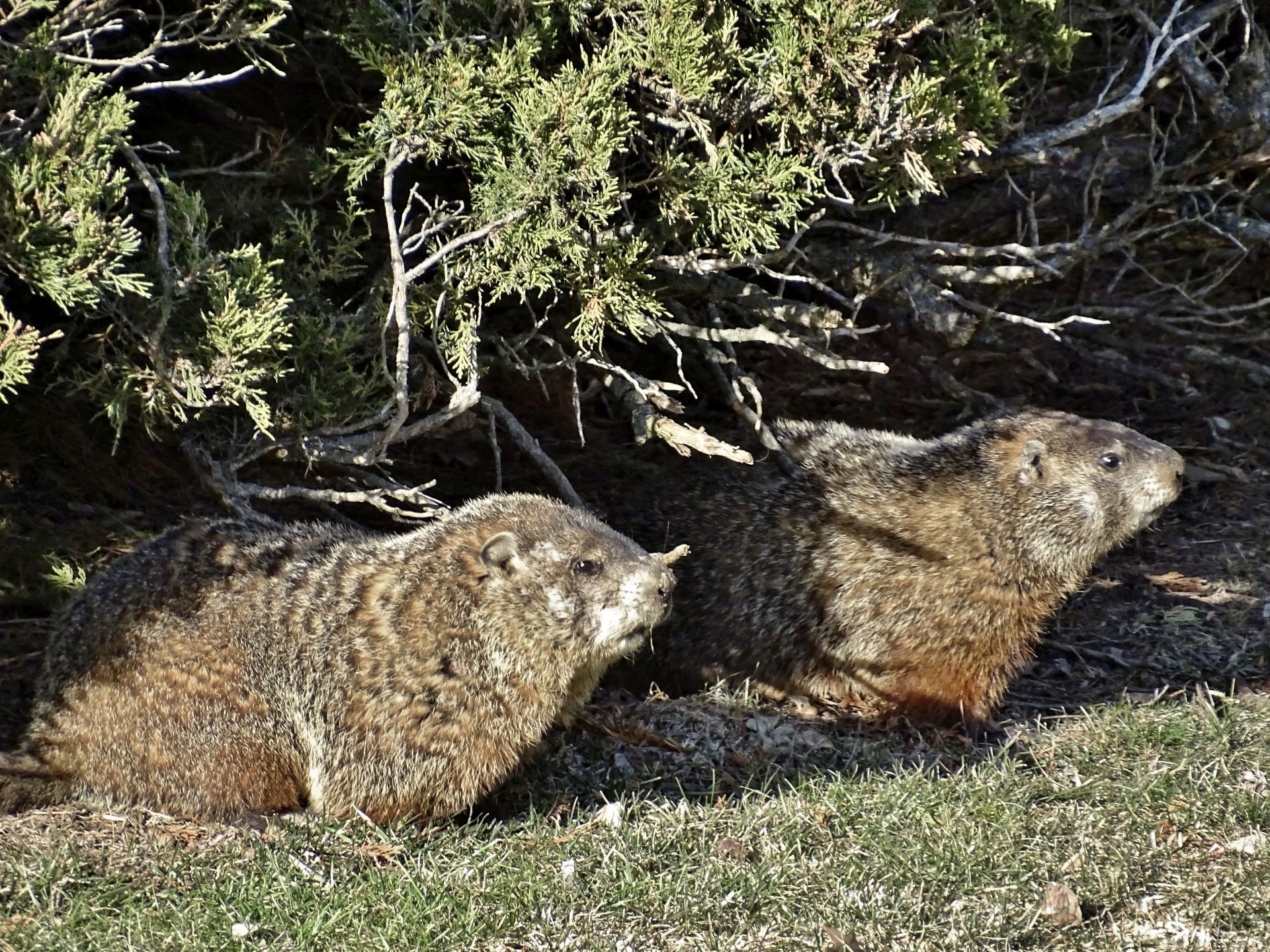
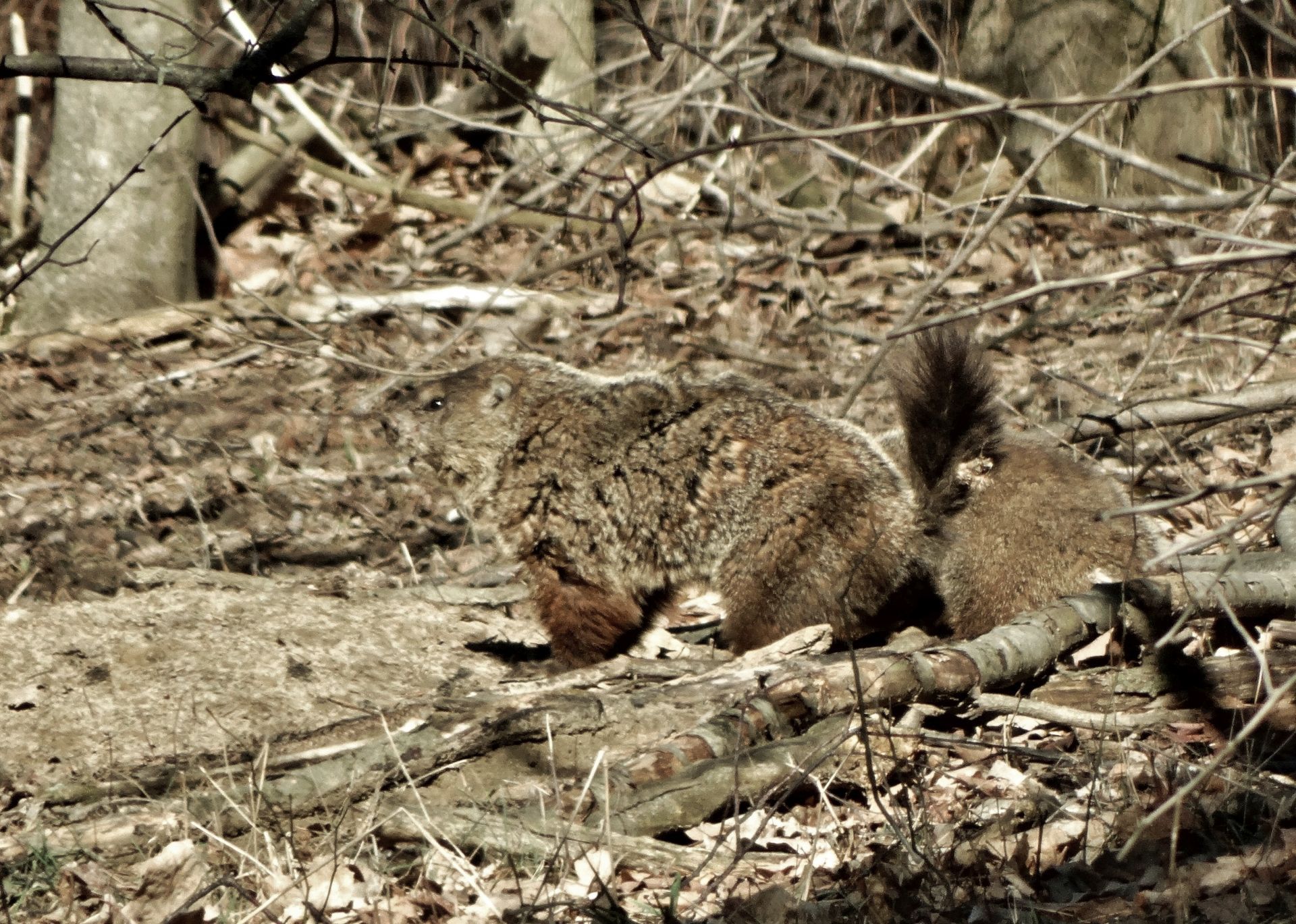
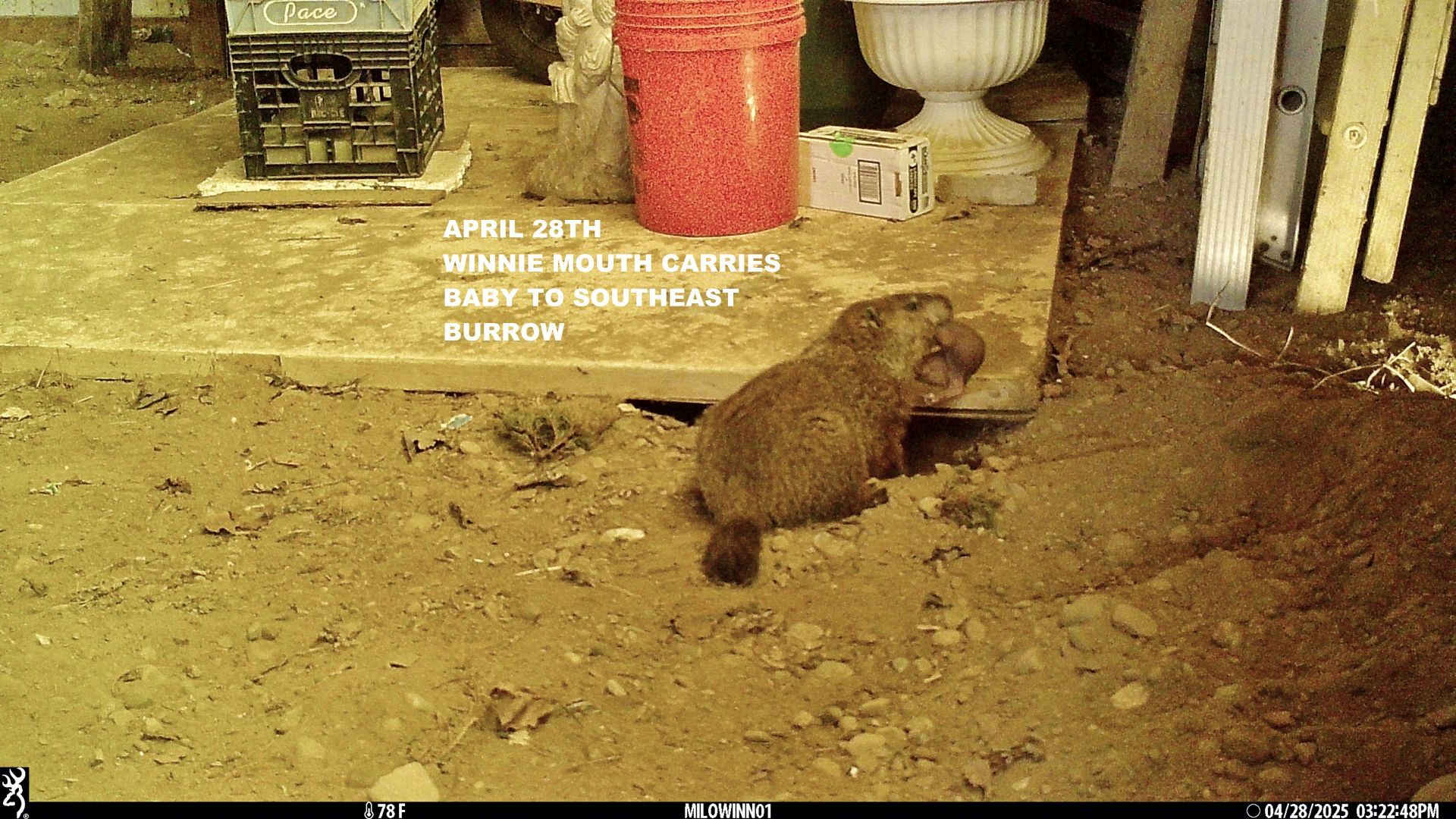
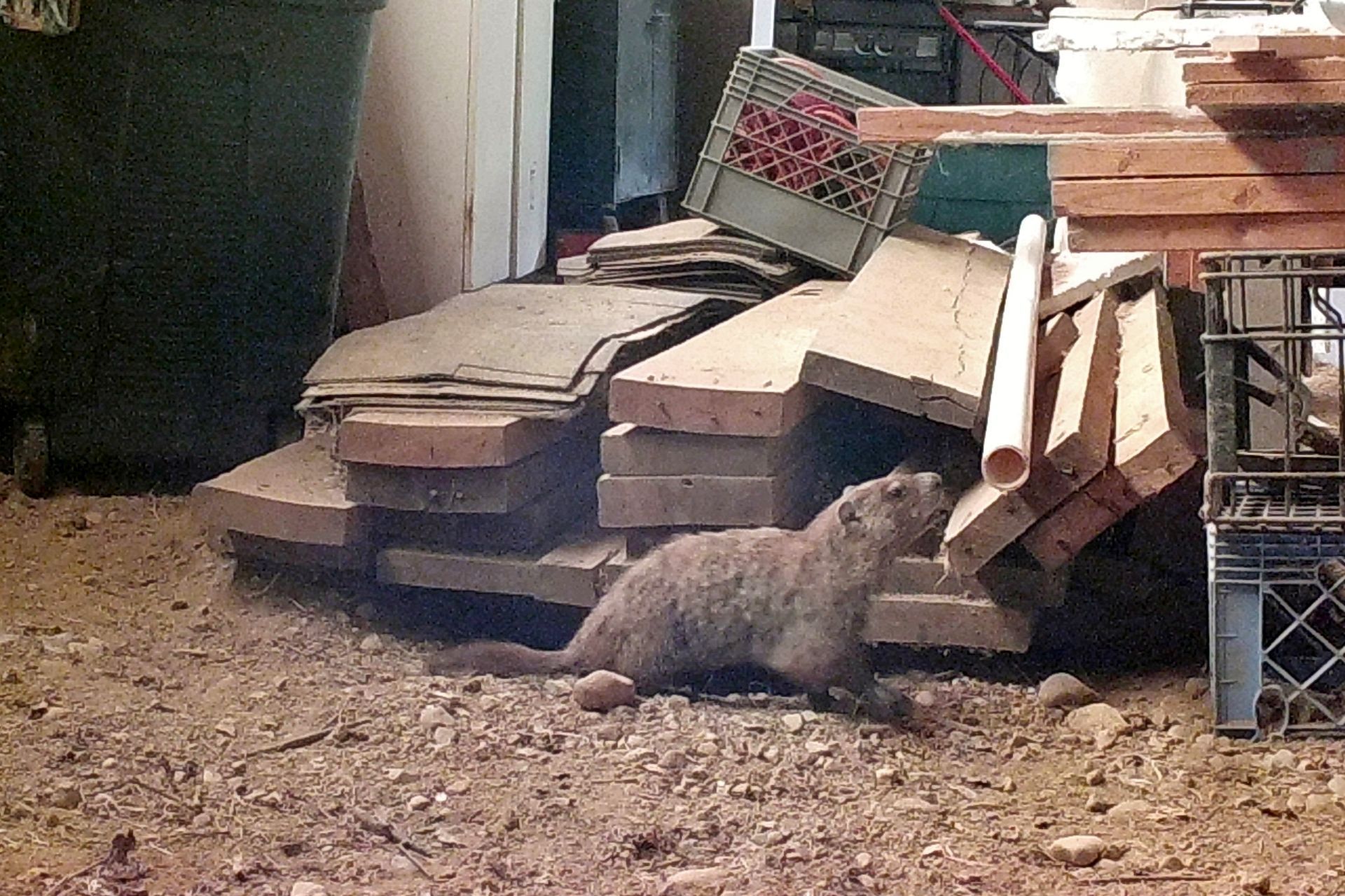
On March 17th, a third groundhog—a male—was seen at the north-of-driveway burrow. We referred to him as Chuck #3 before officially naming him Threo. Both he and Rusty made visits to several burrows in the area, including the north-of-driveway burrow. On April 28th there was a visit from an unknown chuck. On that same date, the remote camera in our barn captured Winnie mouth-carrying her tiny baby to the southeast barn burrow.
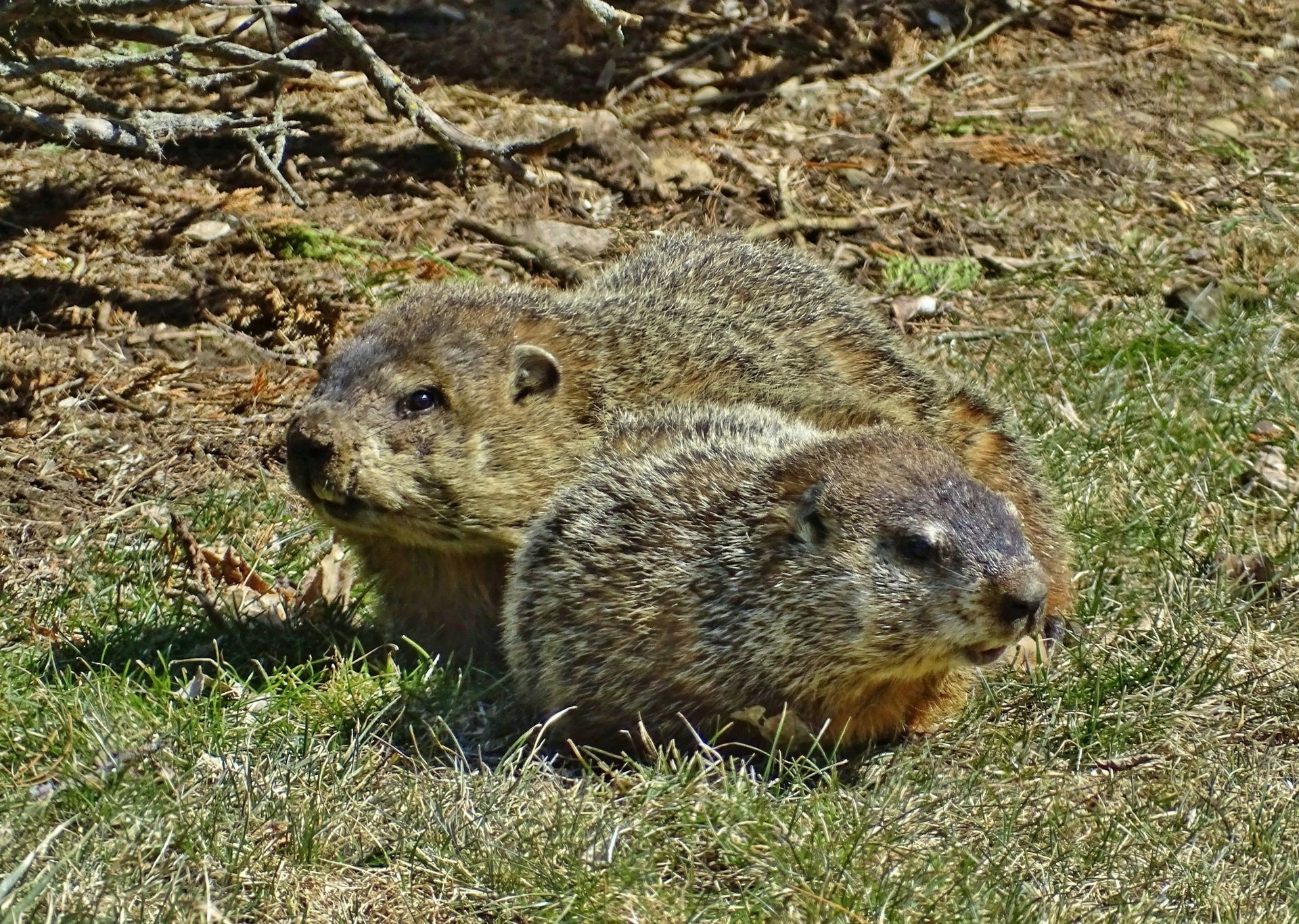
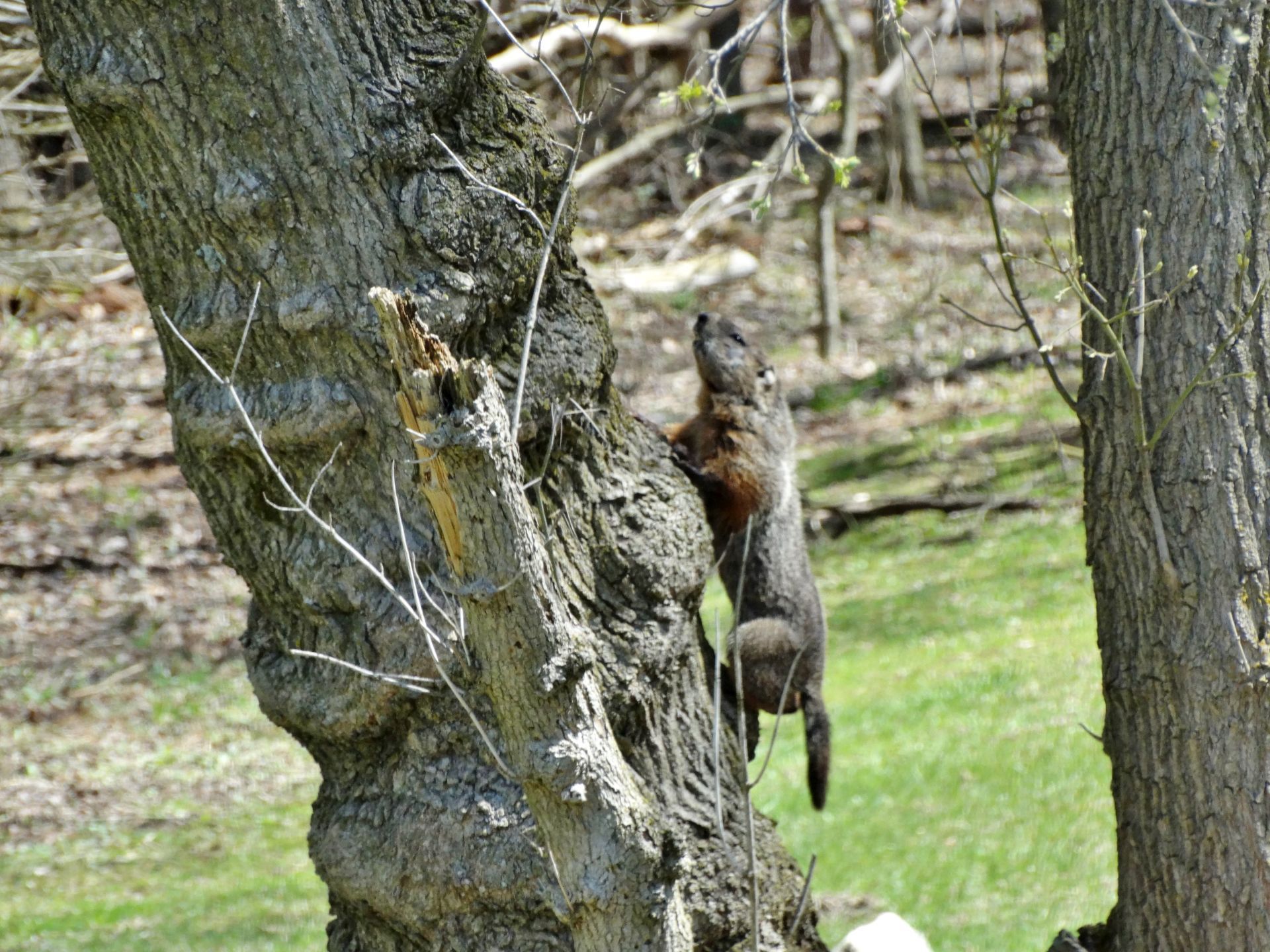
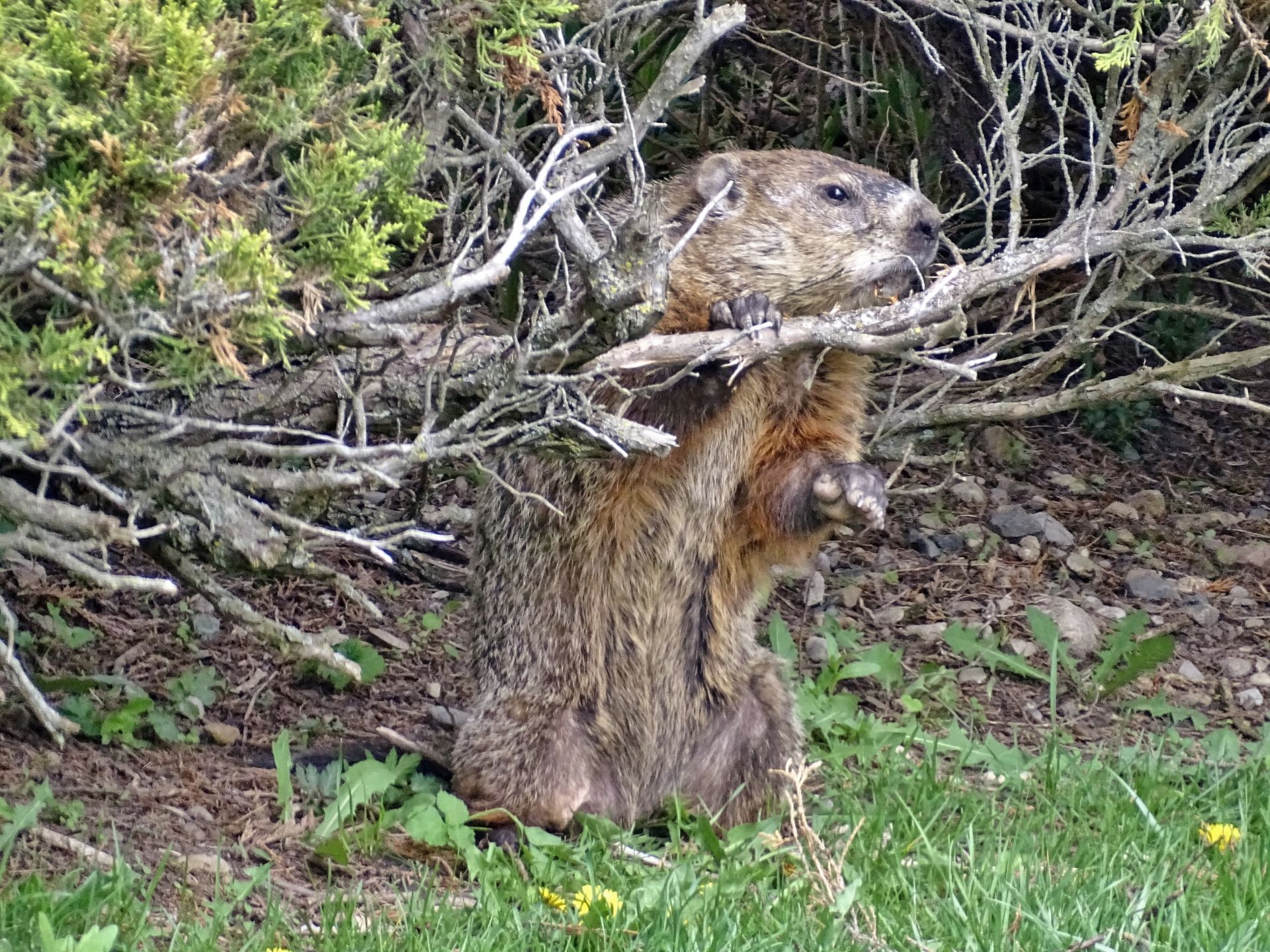
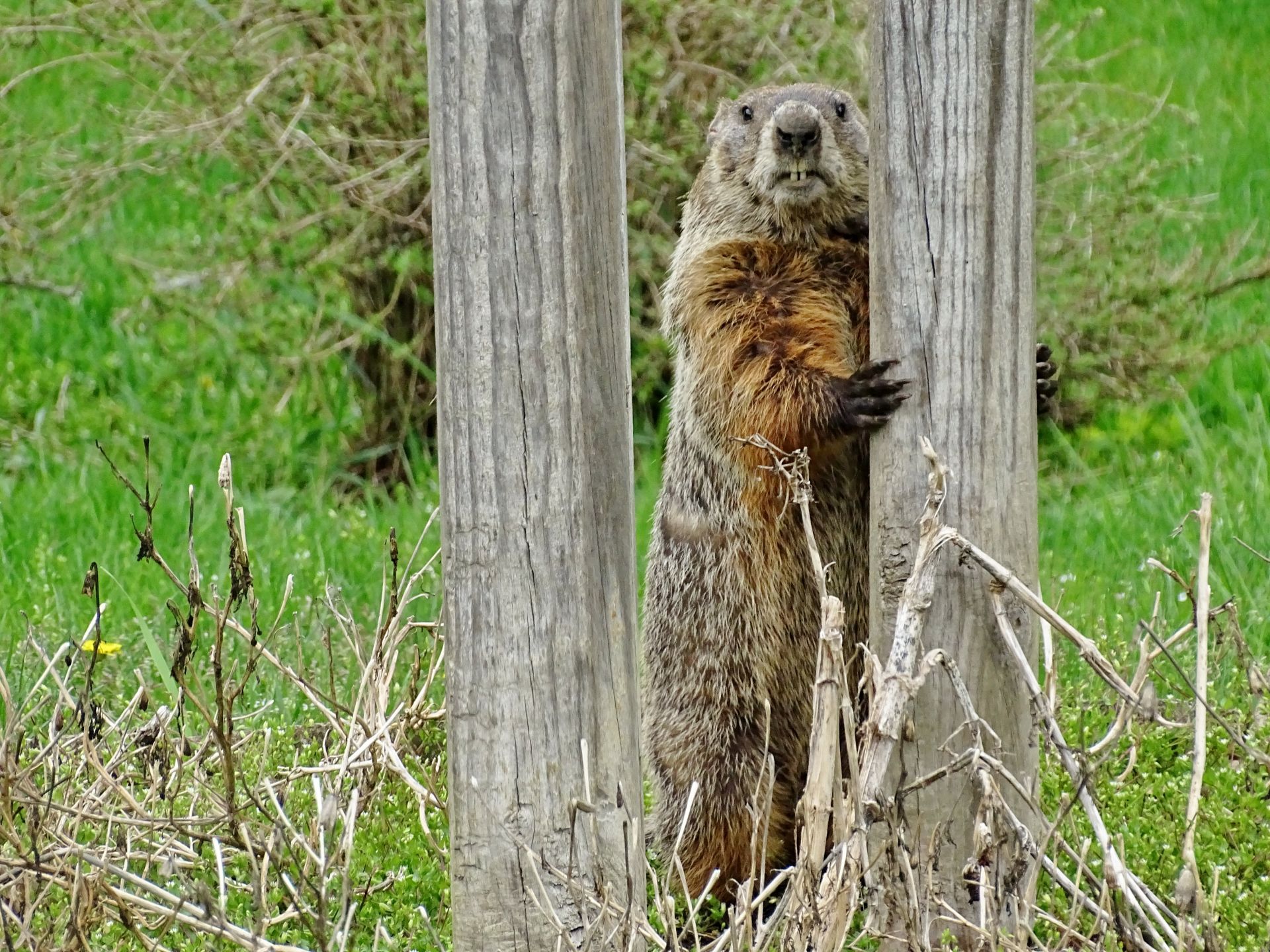
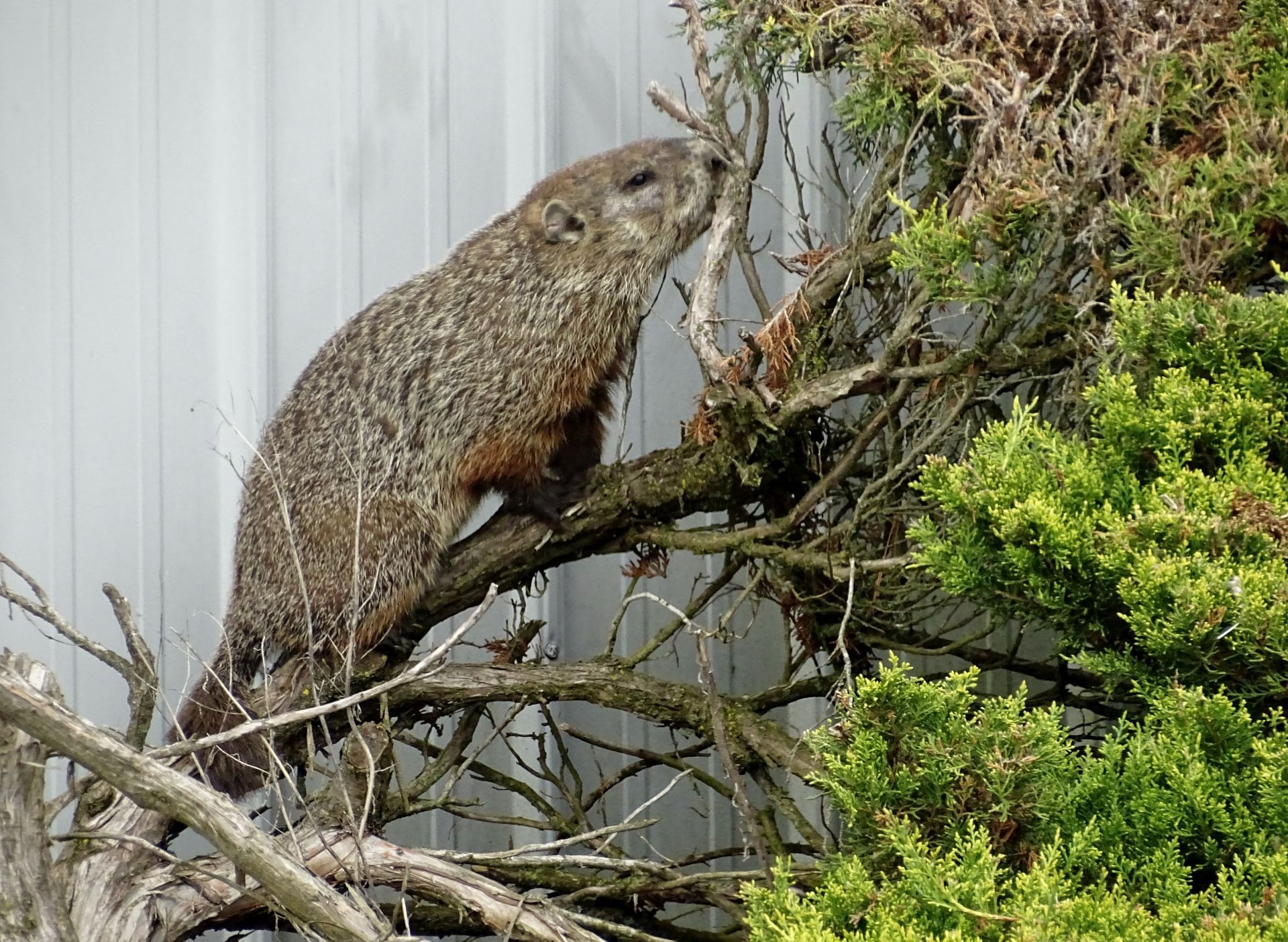
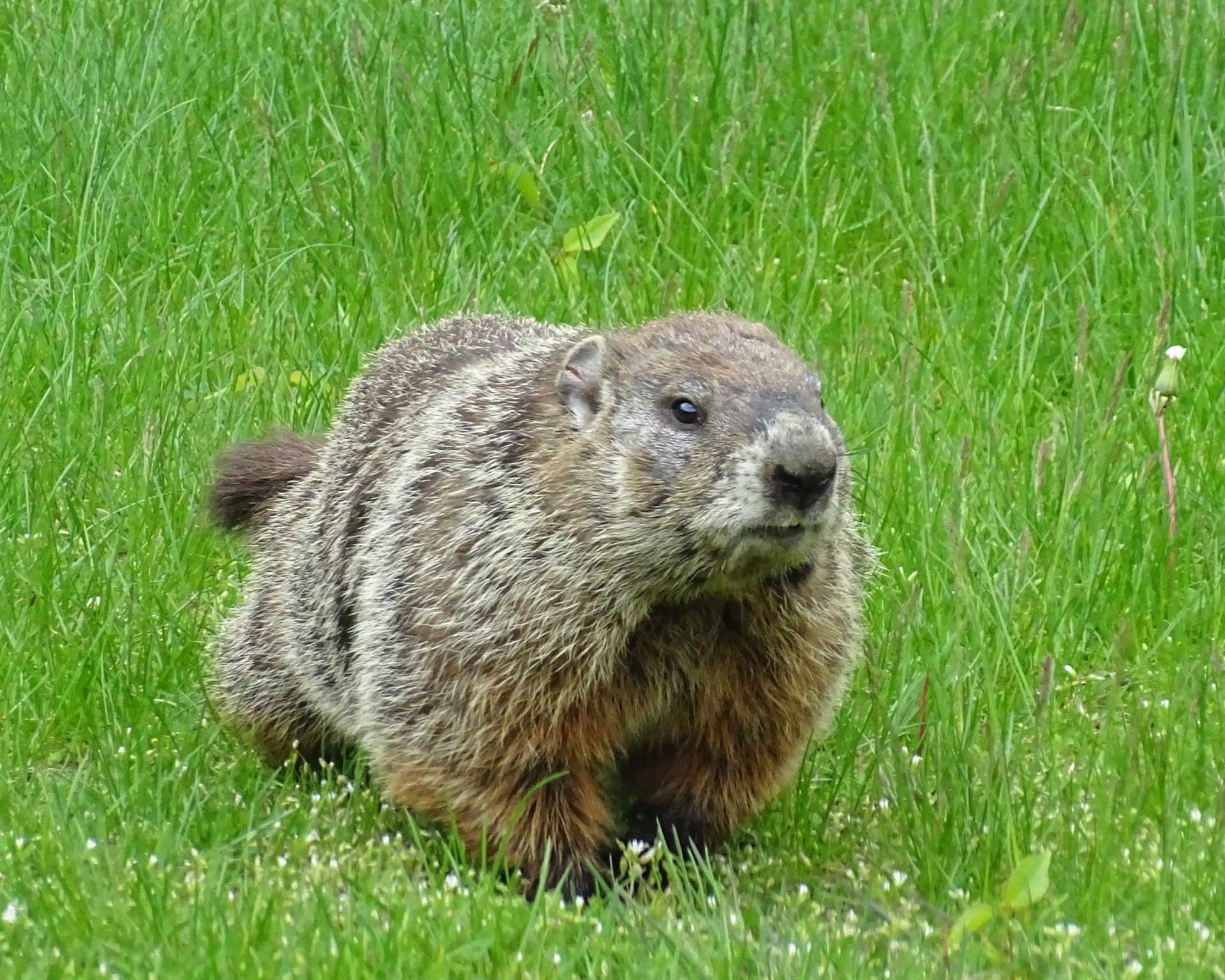
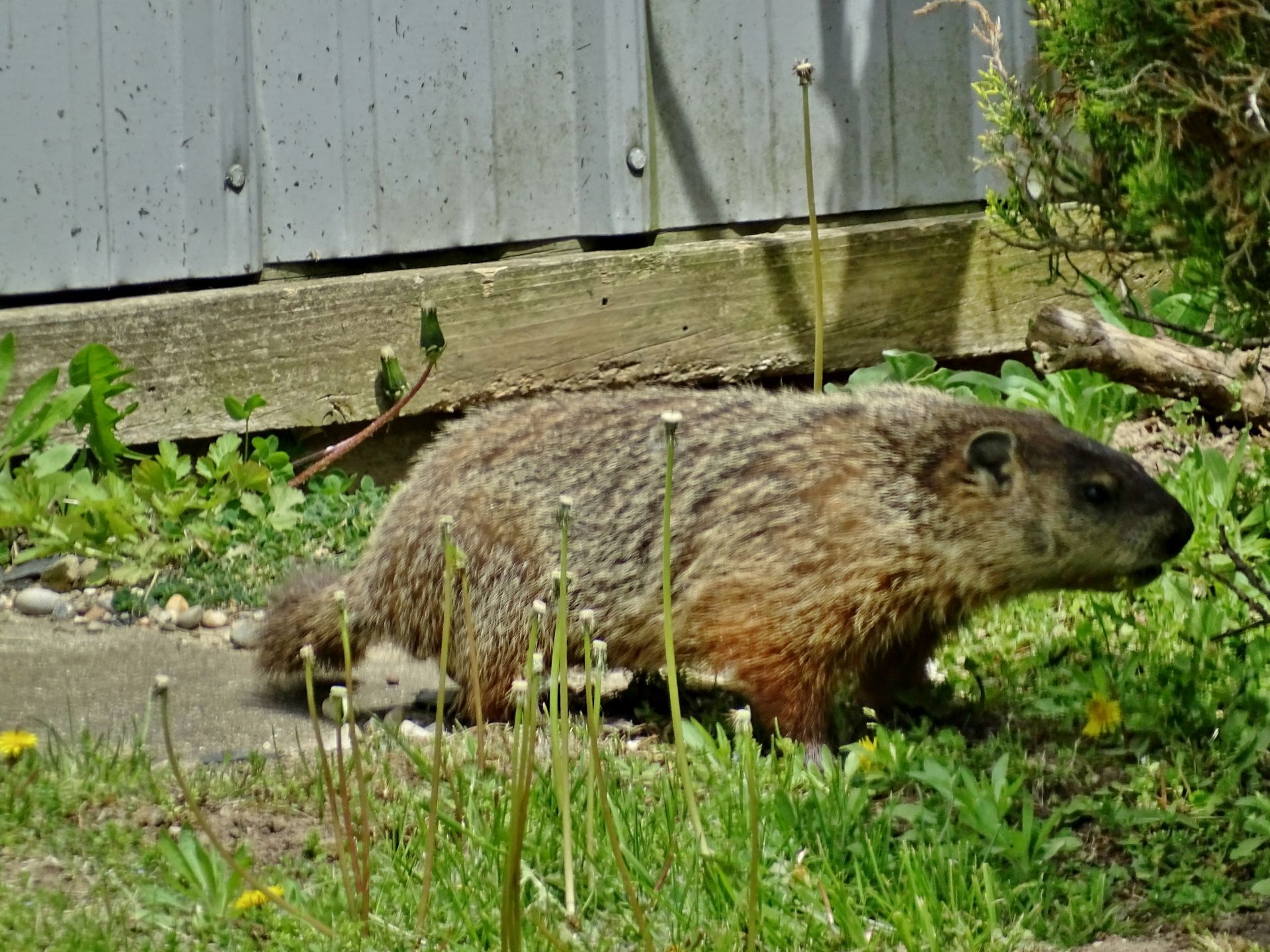
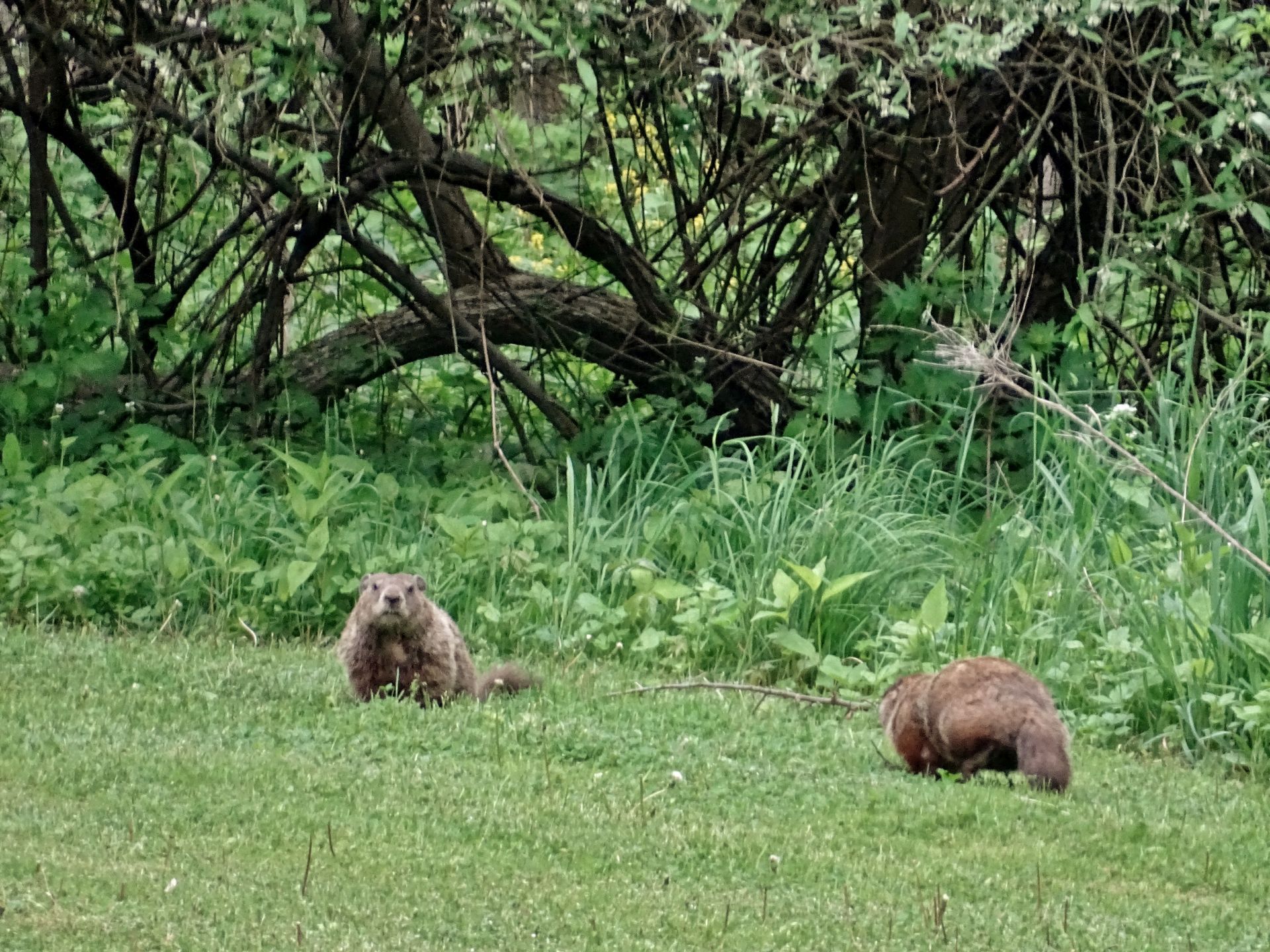
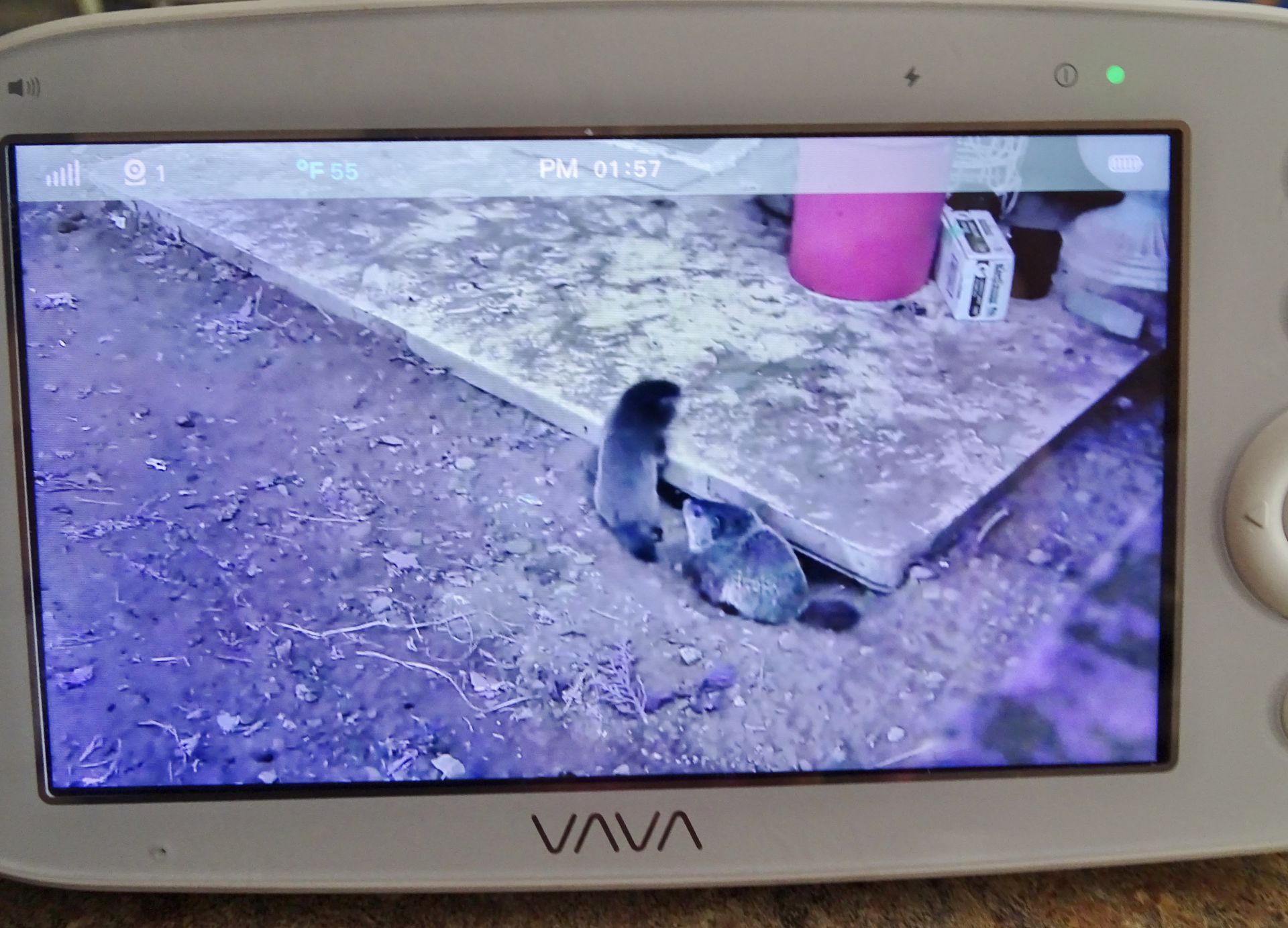
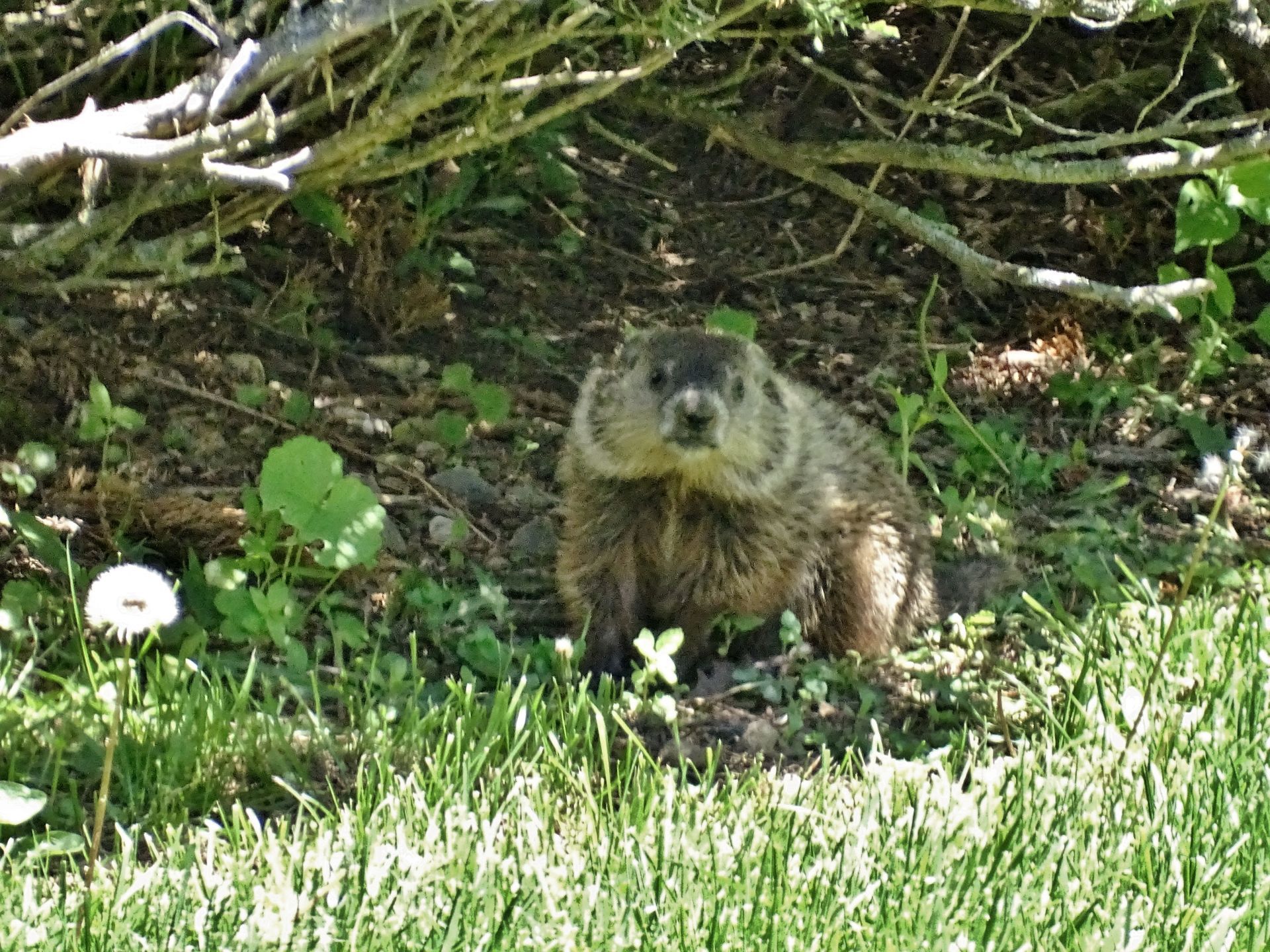
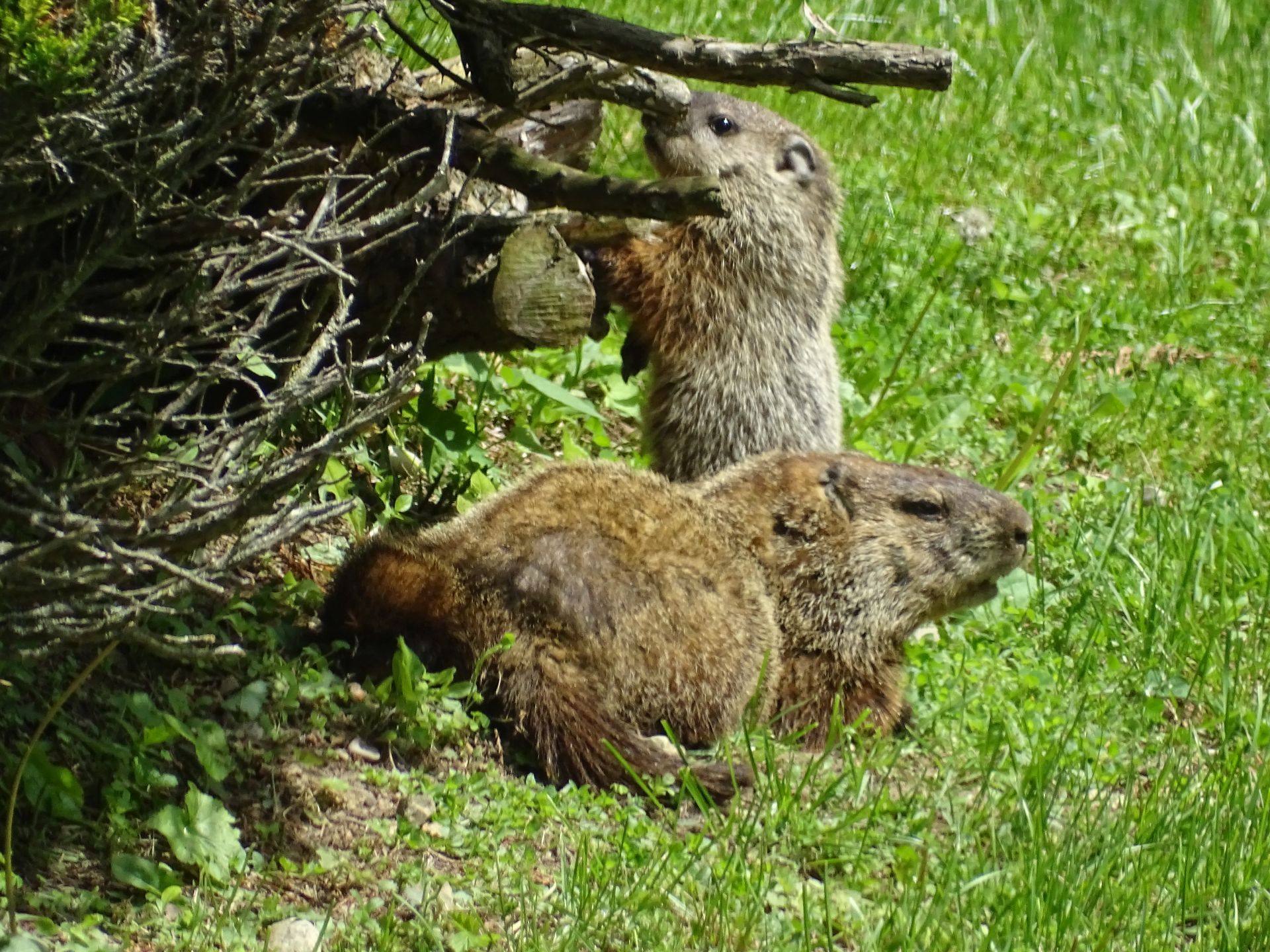
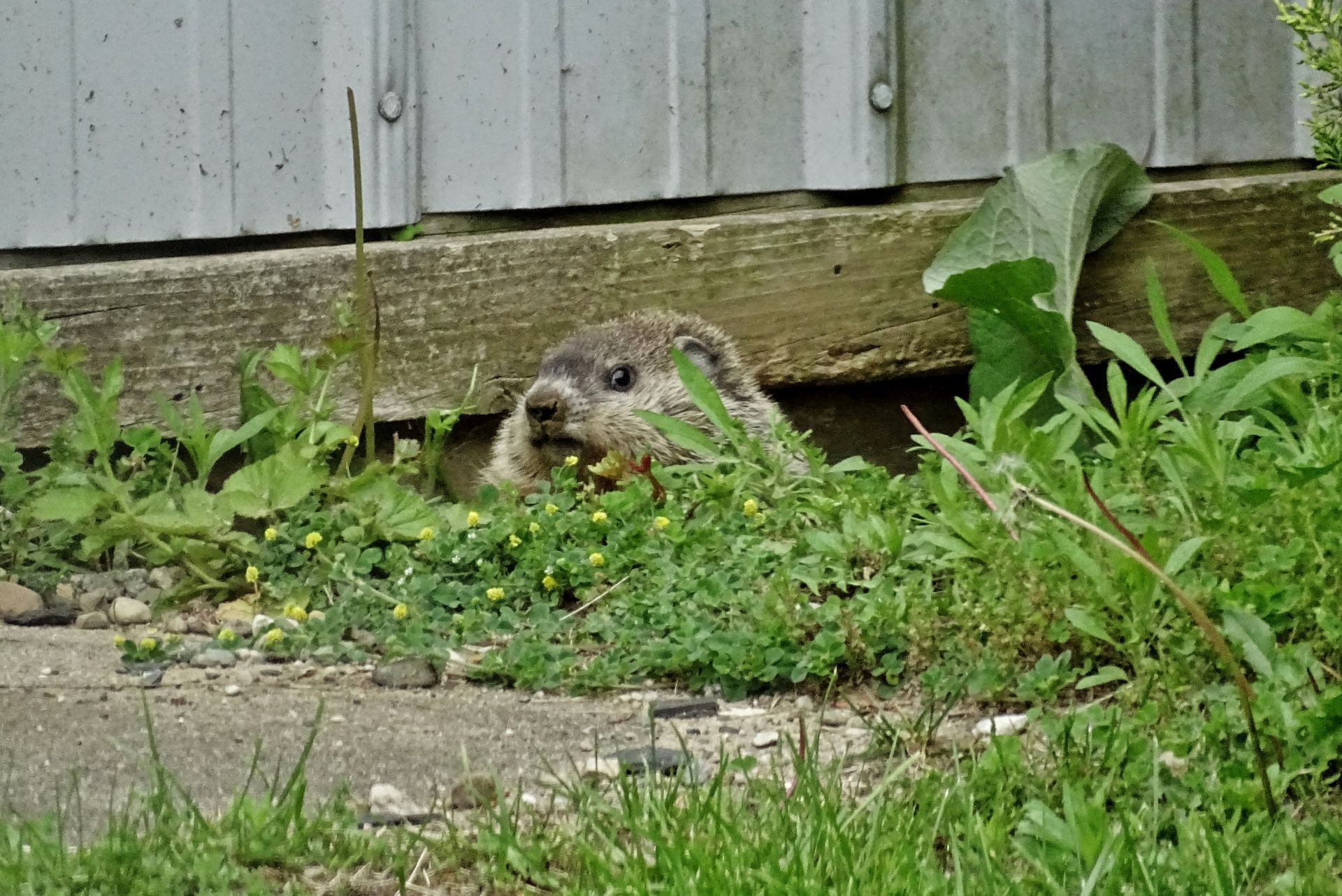
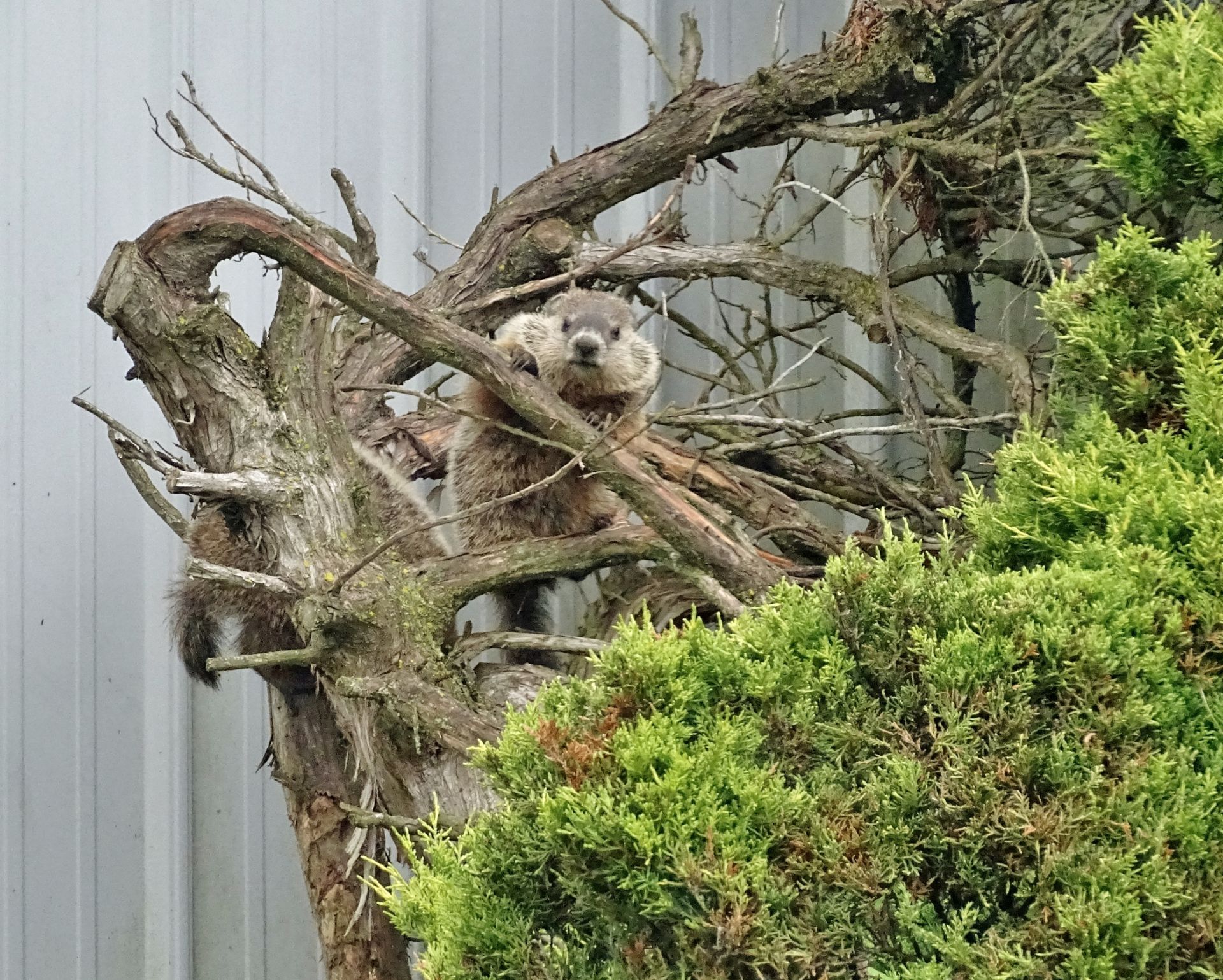
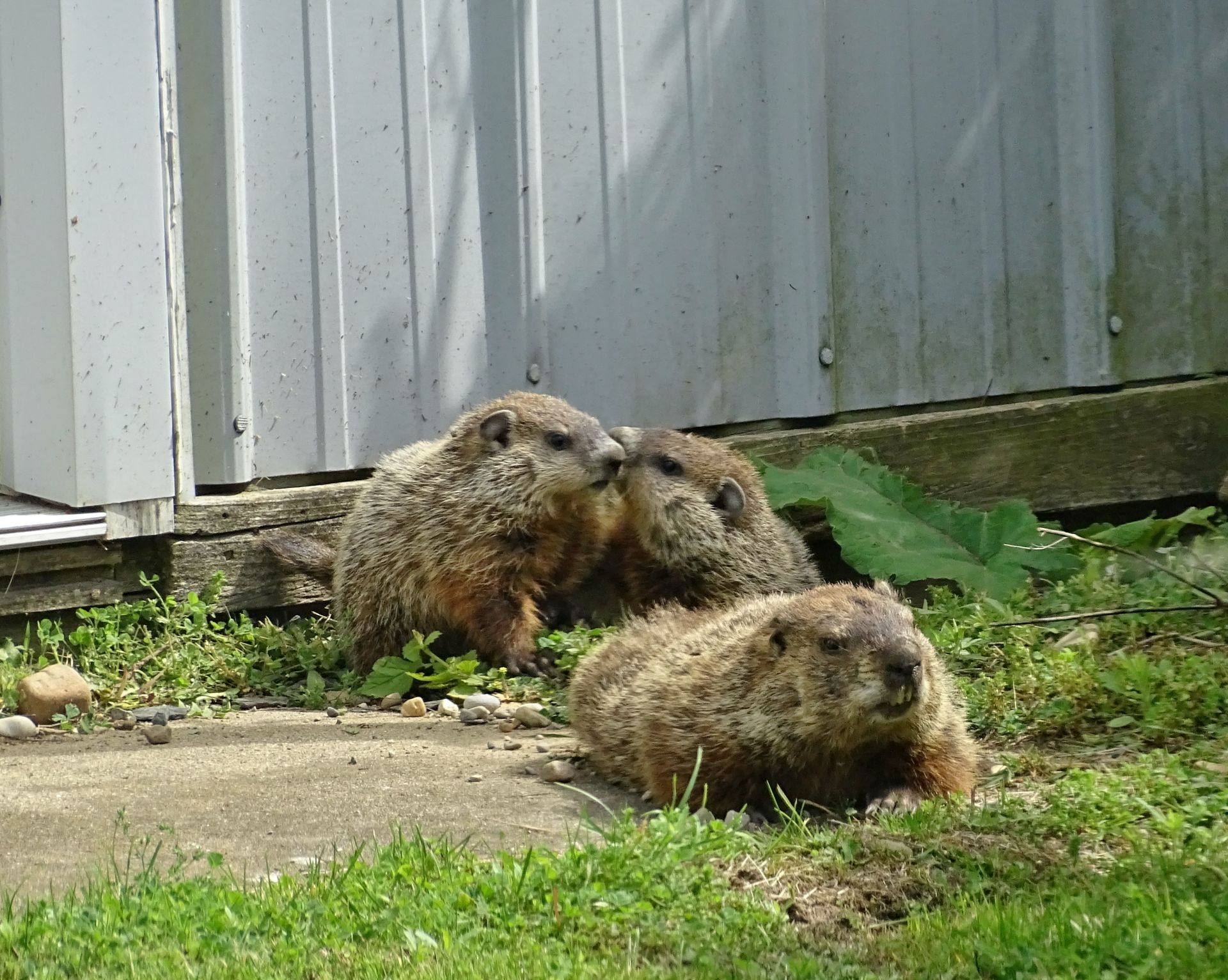
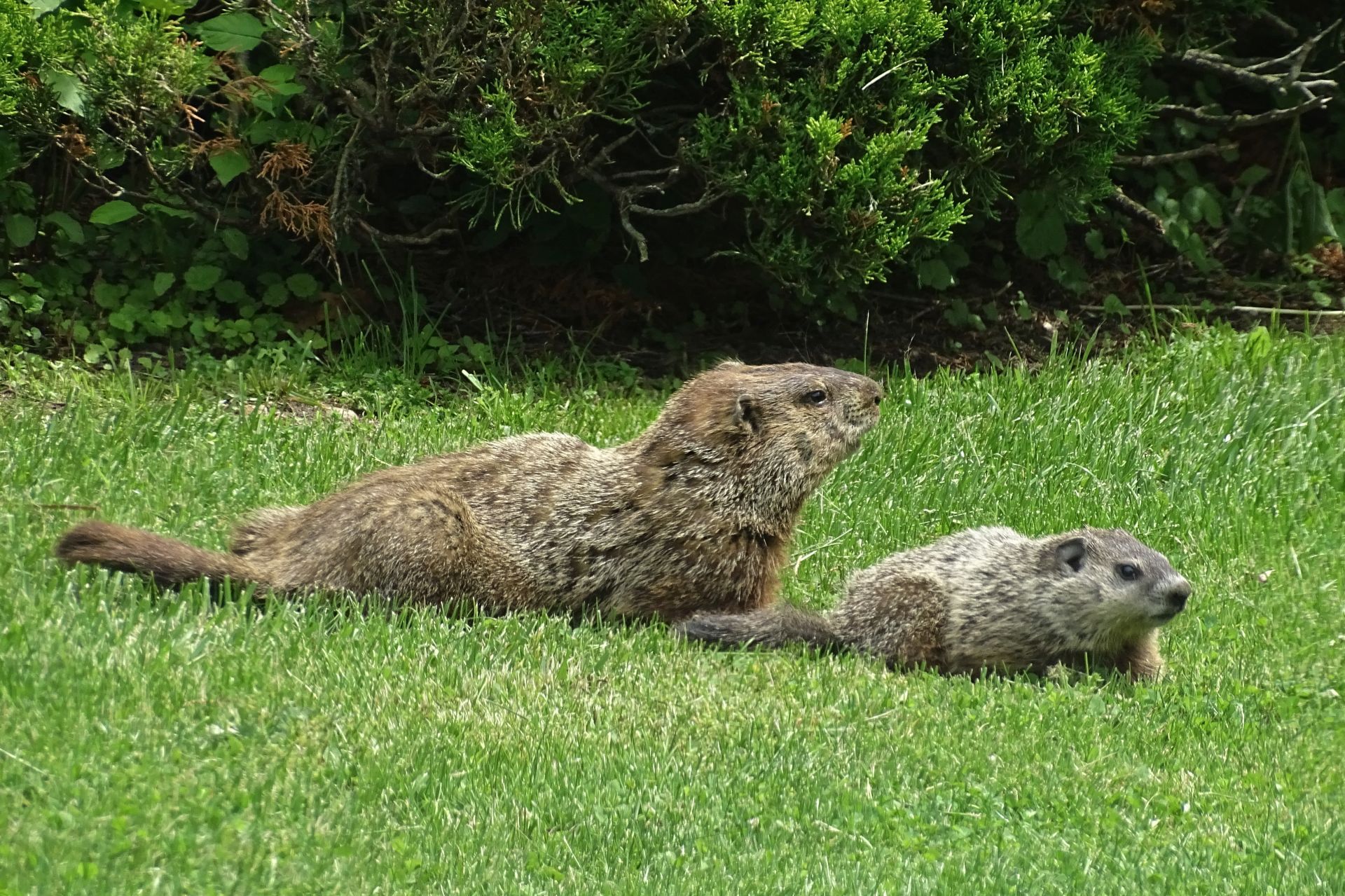
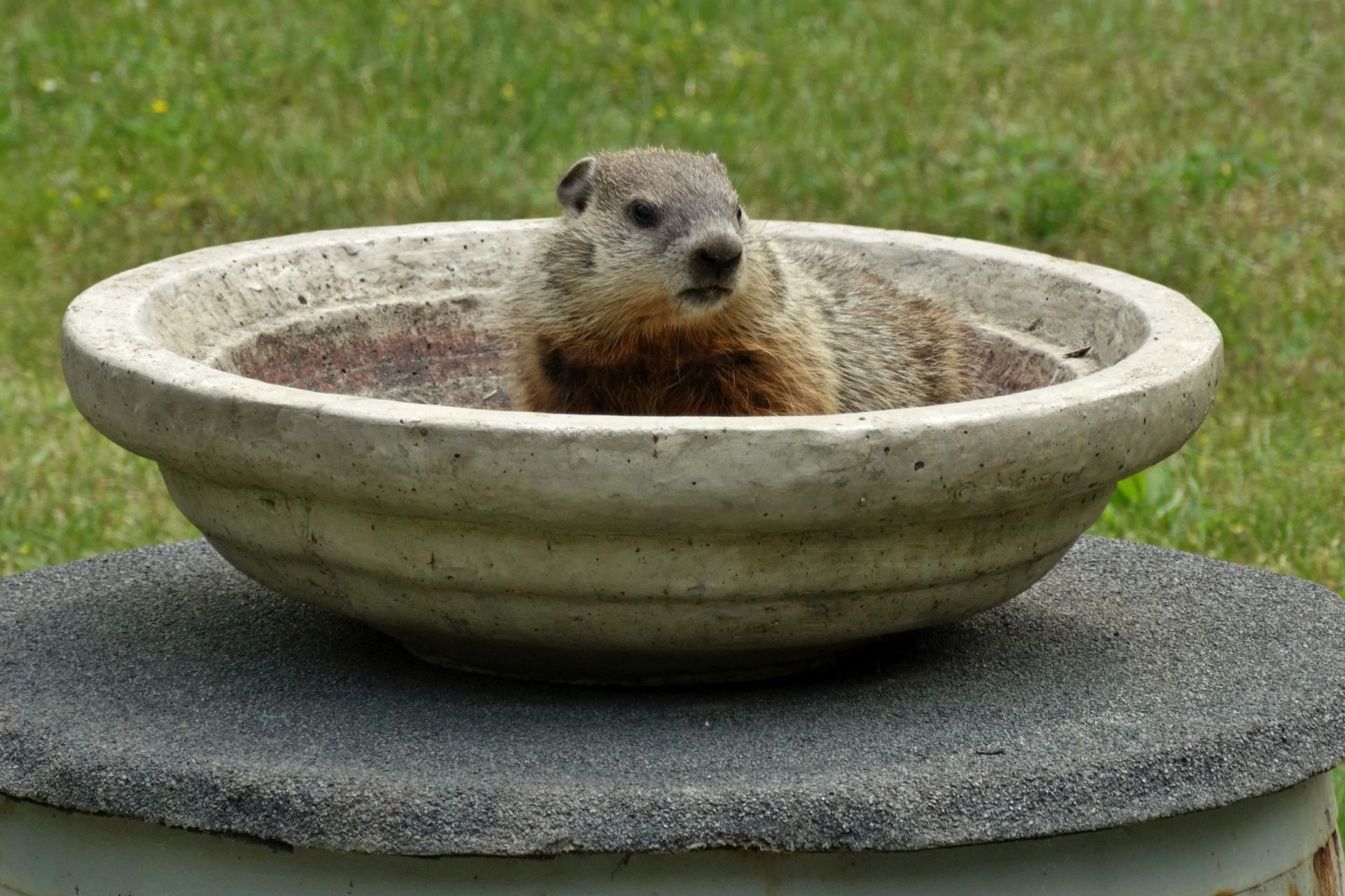
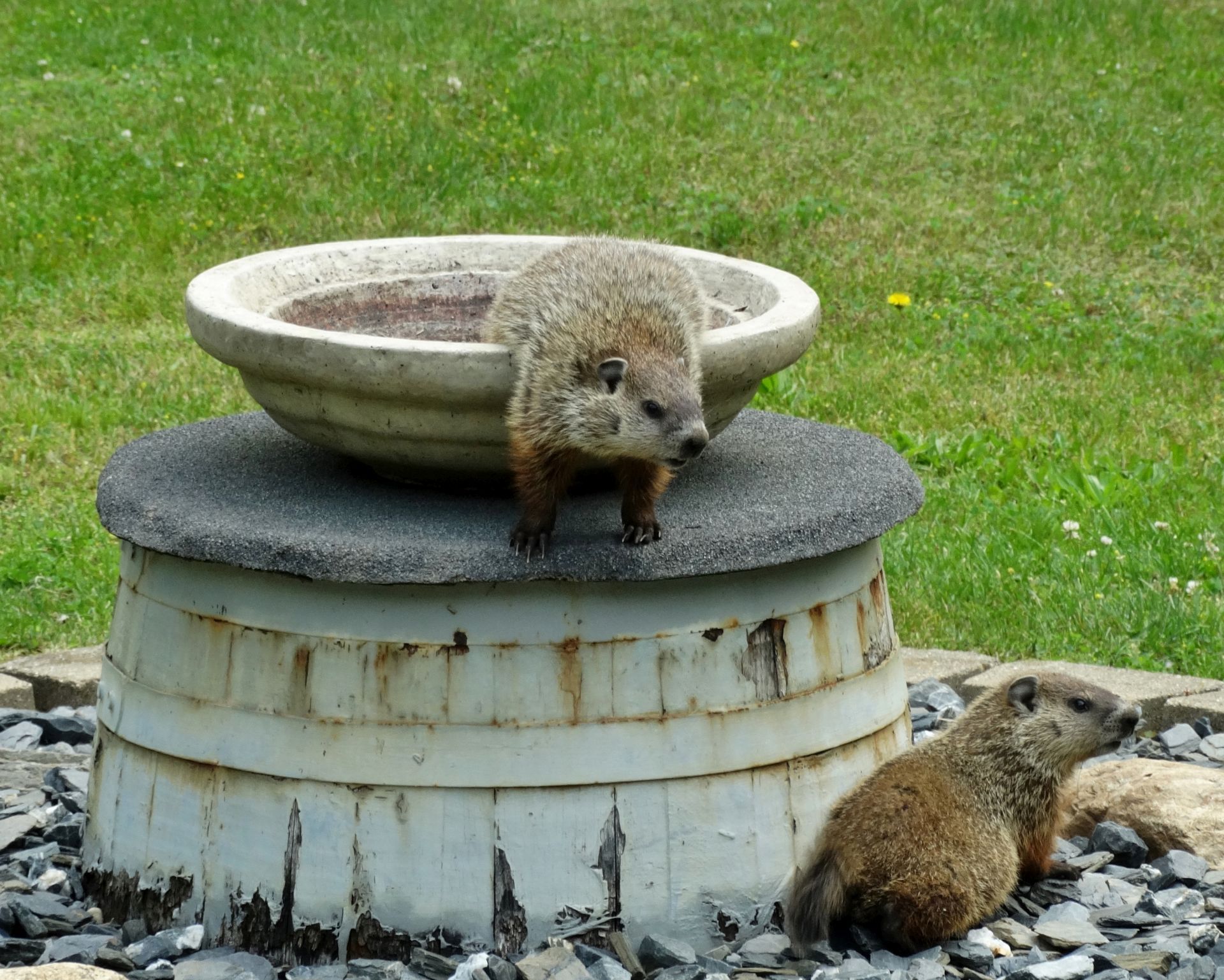
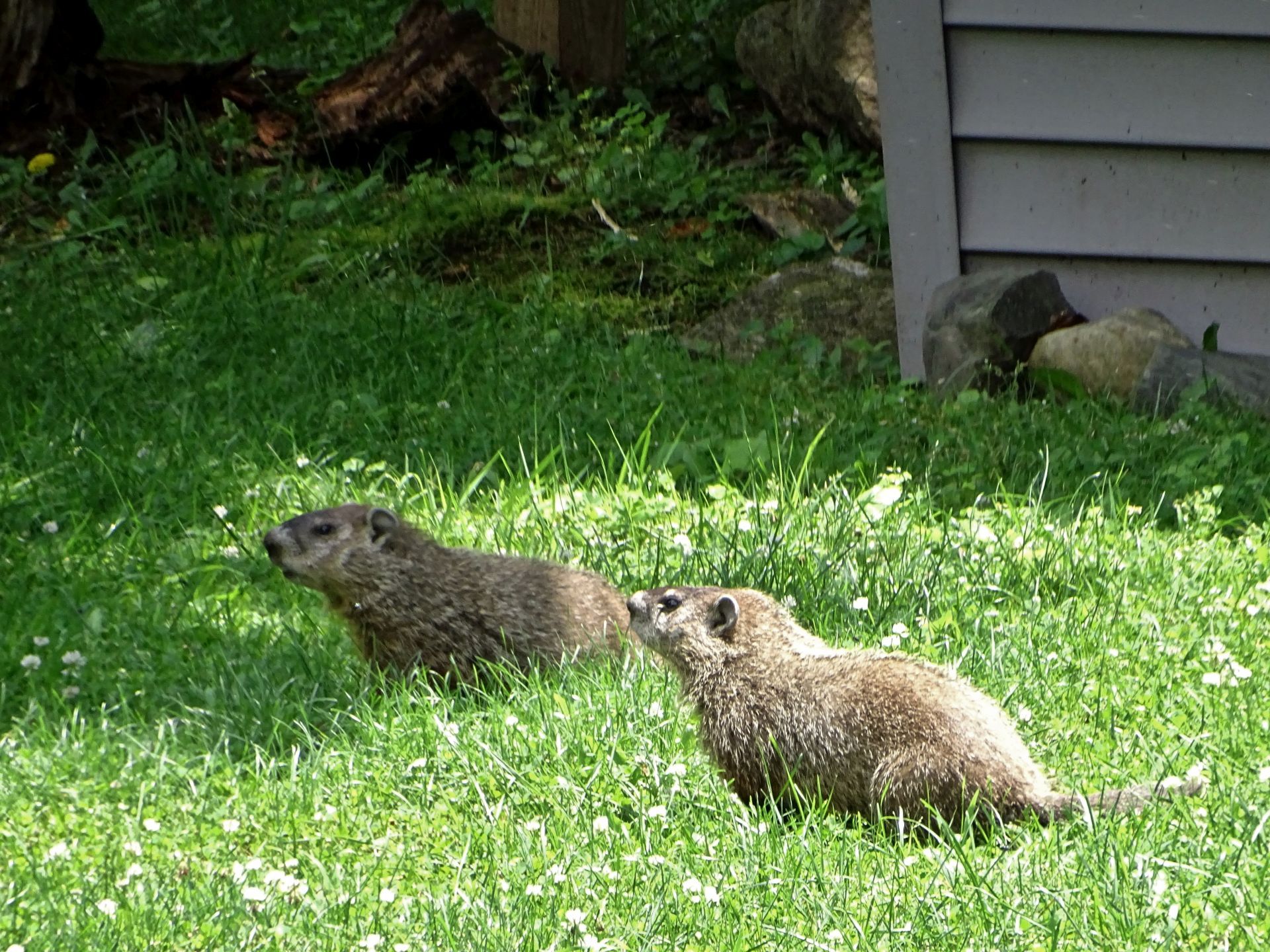
During the month of May, we did some chuck hole fill-in work, though not extensively. There was a visit by another unknown chuck on May 23rd. Also on May 23rd, we watched babies emerge from the southeast barn burrow on our baby monitor. There were three offspring. Soon after, they made their way outside, exploring the vegetation and climbing the bushes. We named the most advanced of the three Cody.




June-July
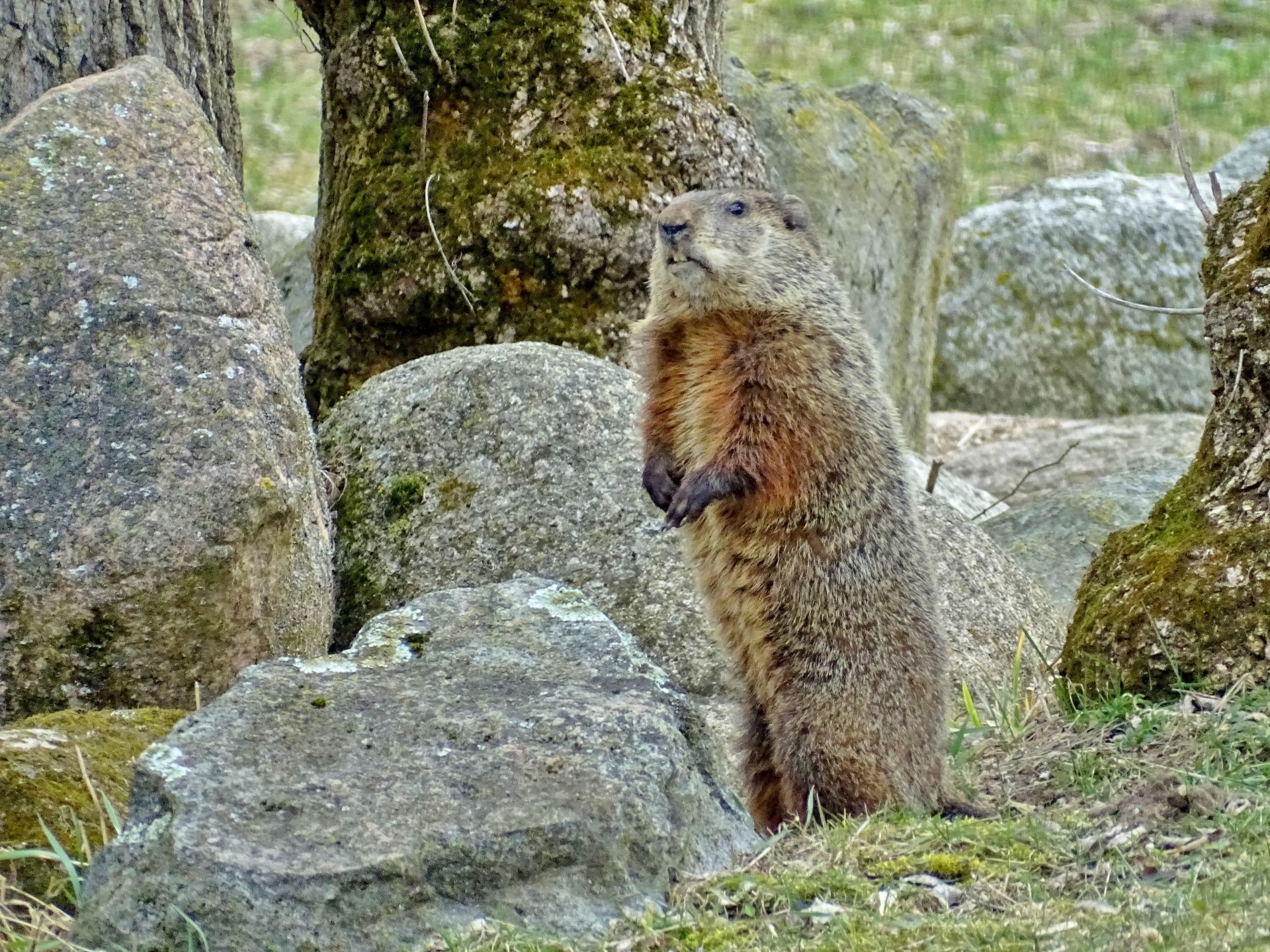
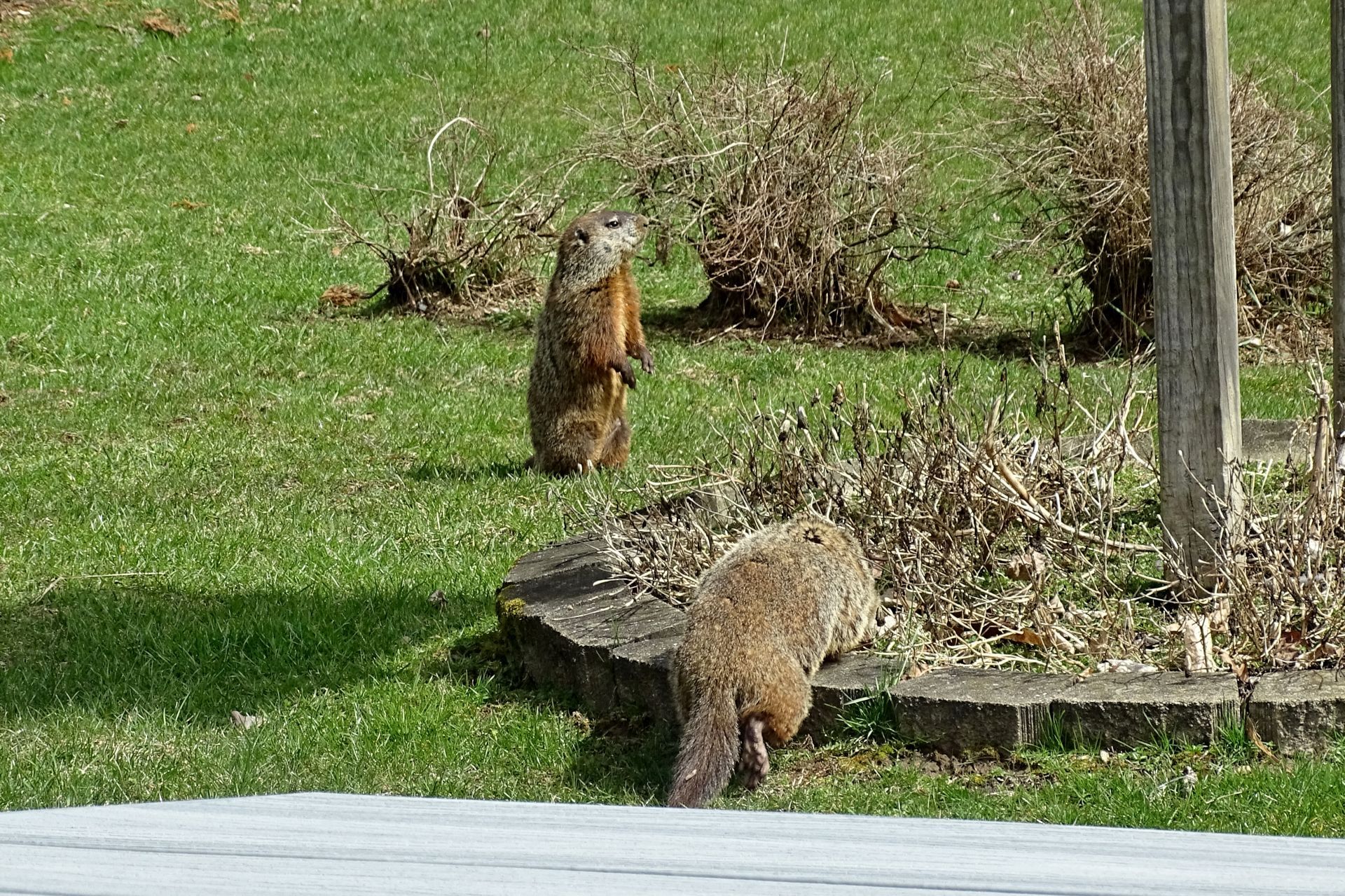
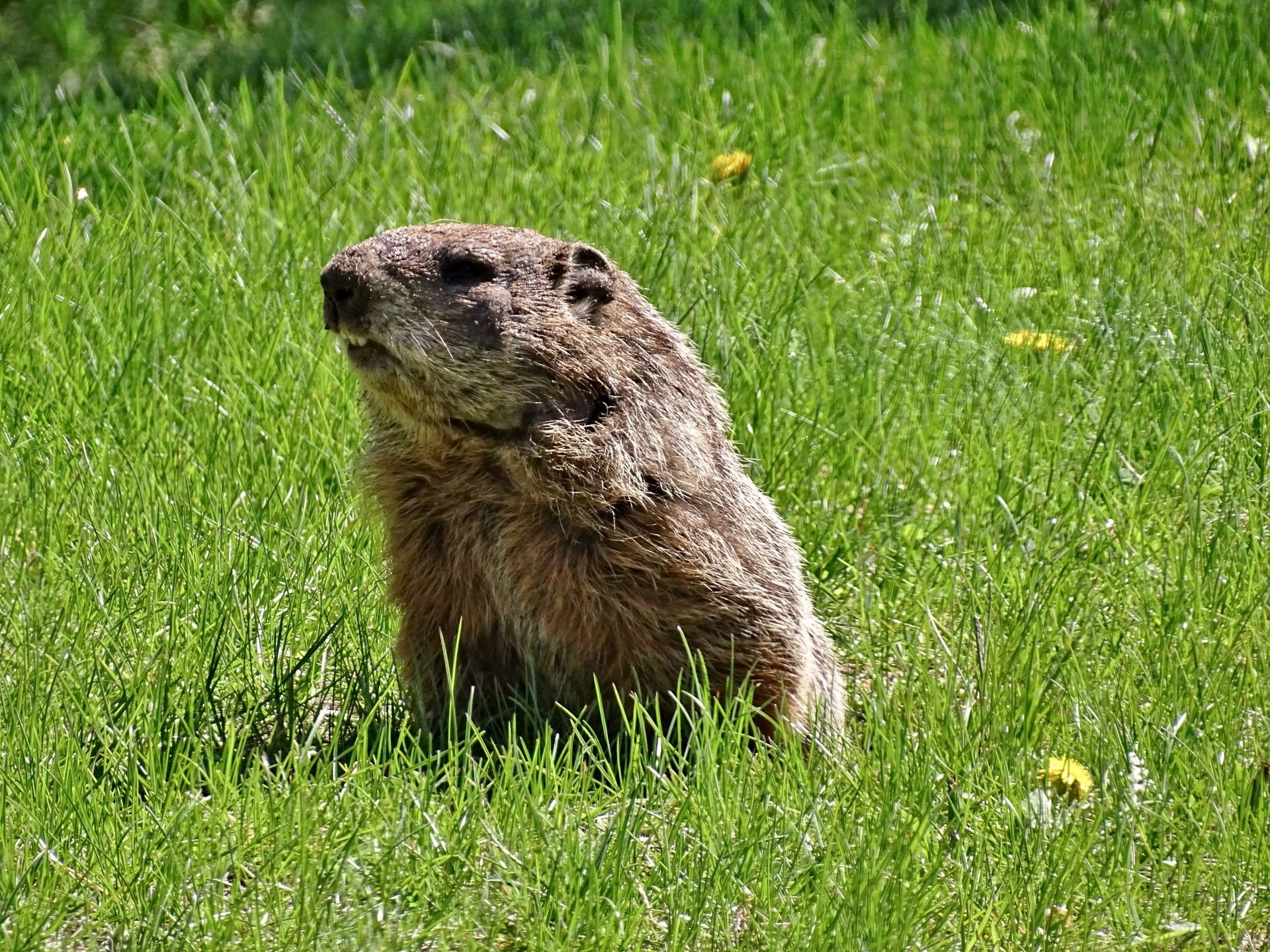
In June, the juveniles ventured farther from the barn and began visiting other territory burrows. It had been some time since we had seen Rusty, and Threo had not been seen since May. On June 7th, we observed a new male patrolling the property and checking burrows. His visits continued, and he was even seen in close proximity to the juveniles. We named him Francis.
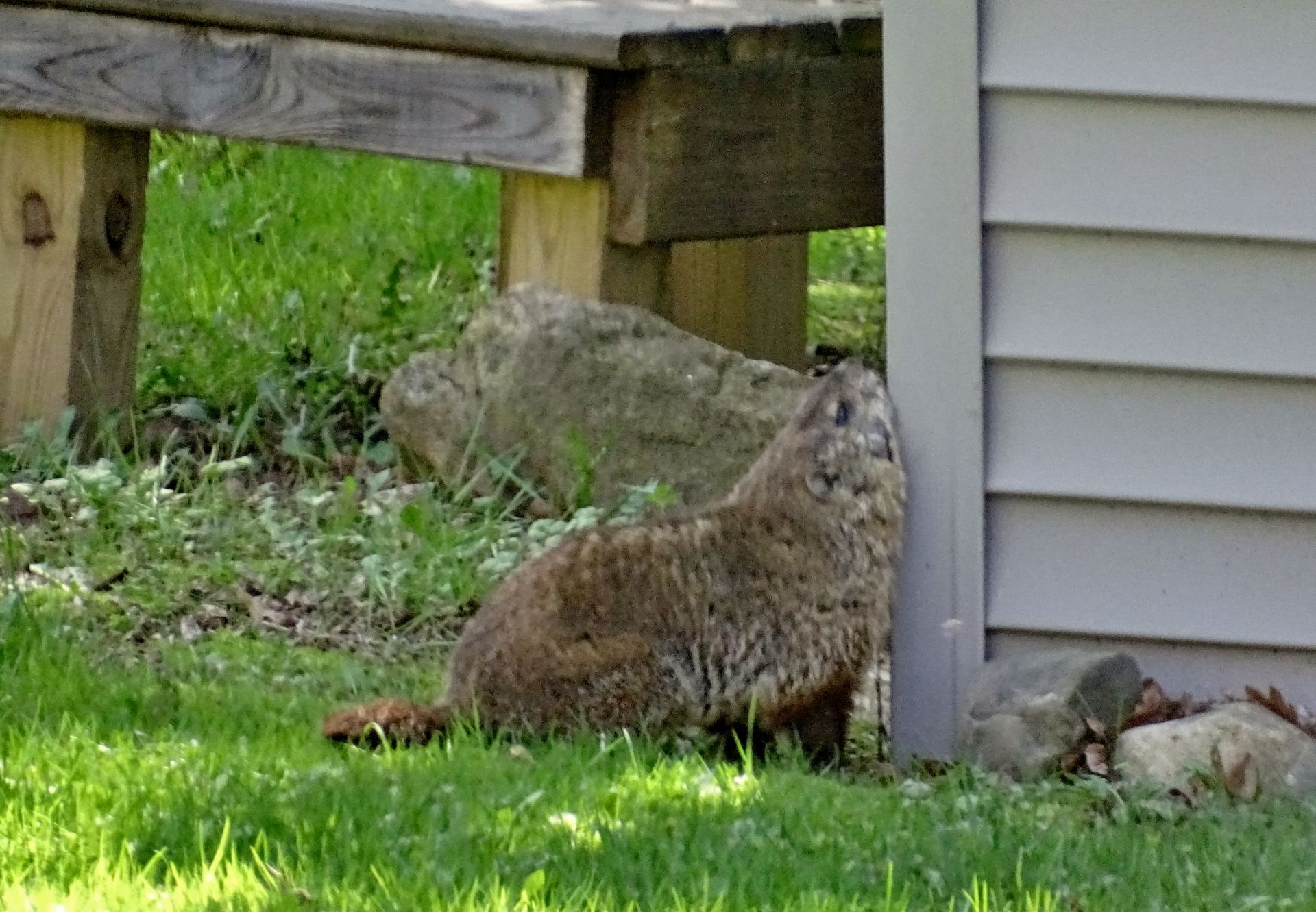
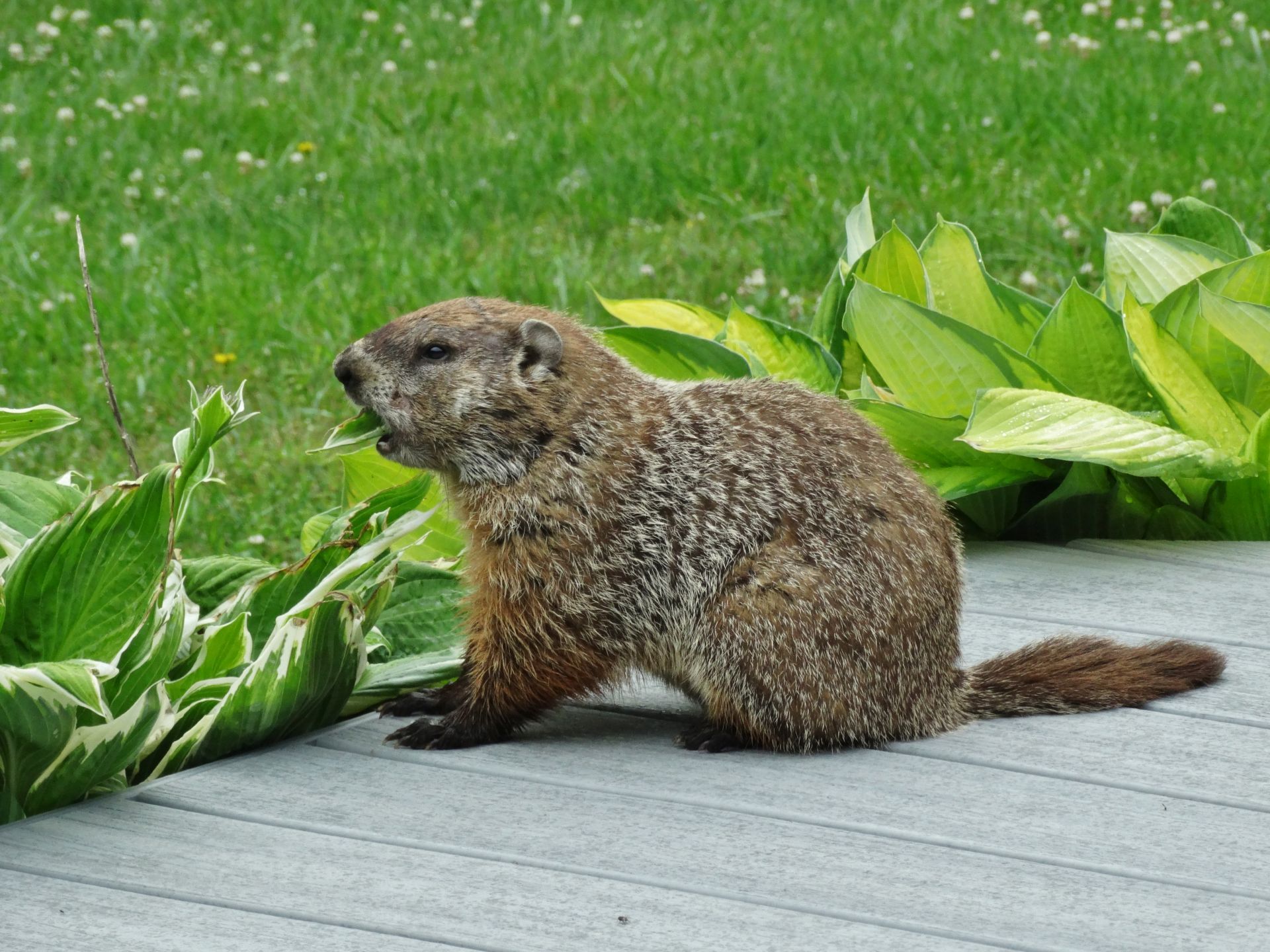
Threo was seen on our deck on June 20th eating the leaves of our hosta plant. We had not previously documented hosta leaves as a food source, so our website page, Woodchuck Foods, has been updated to include them.
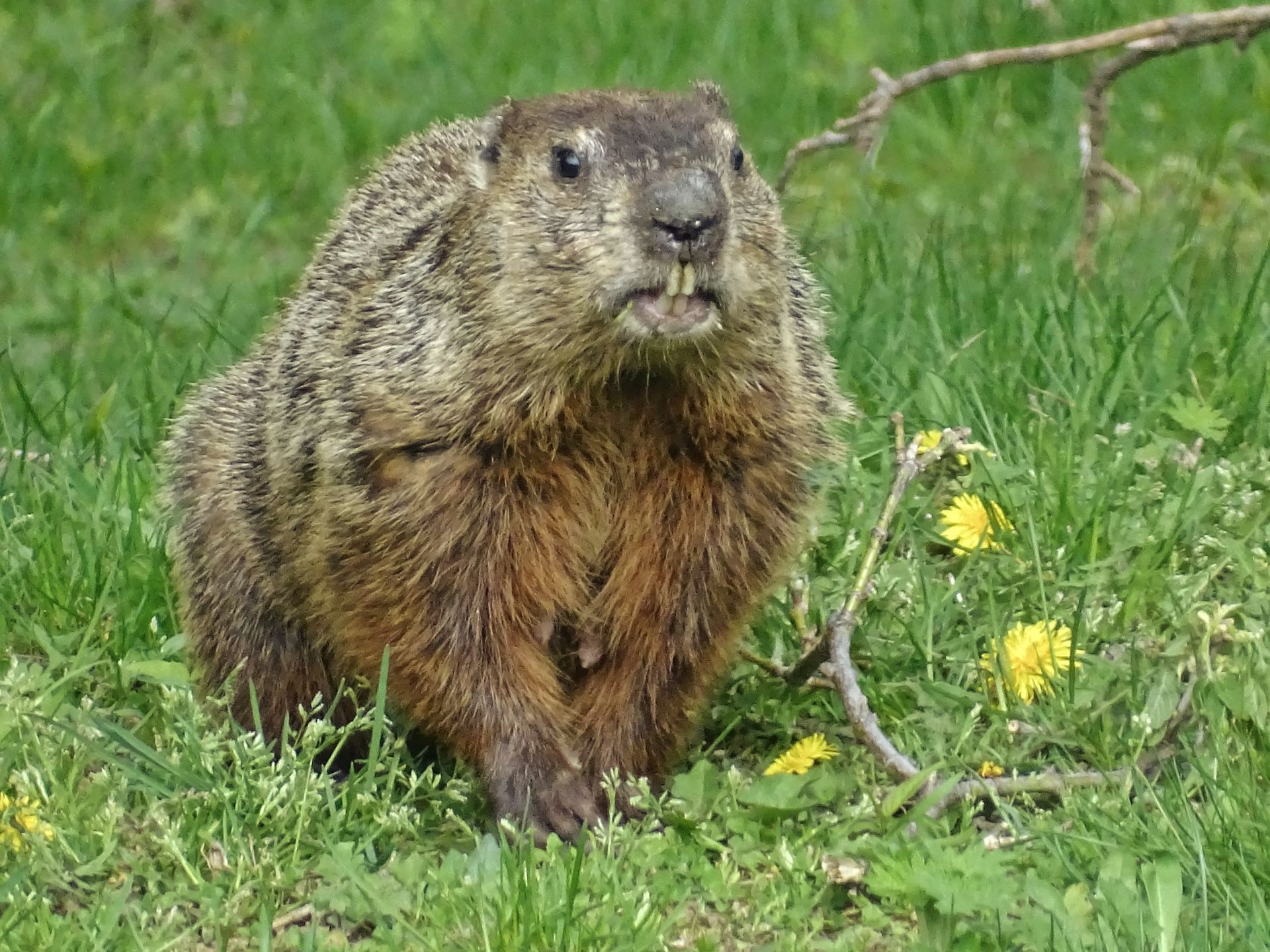
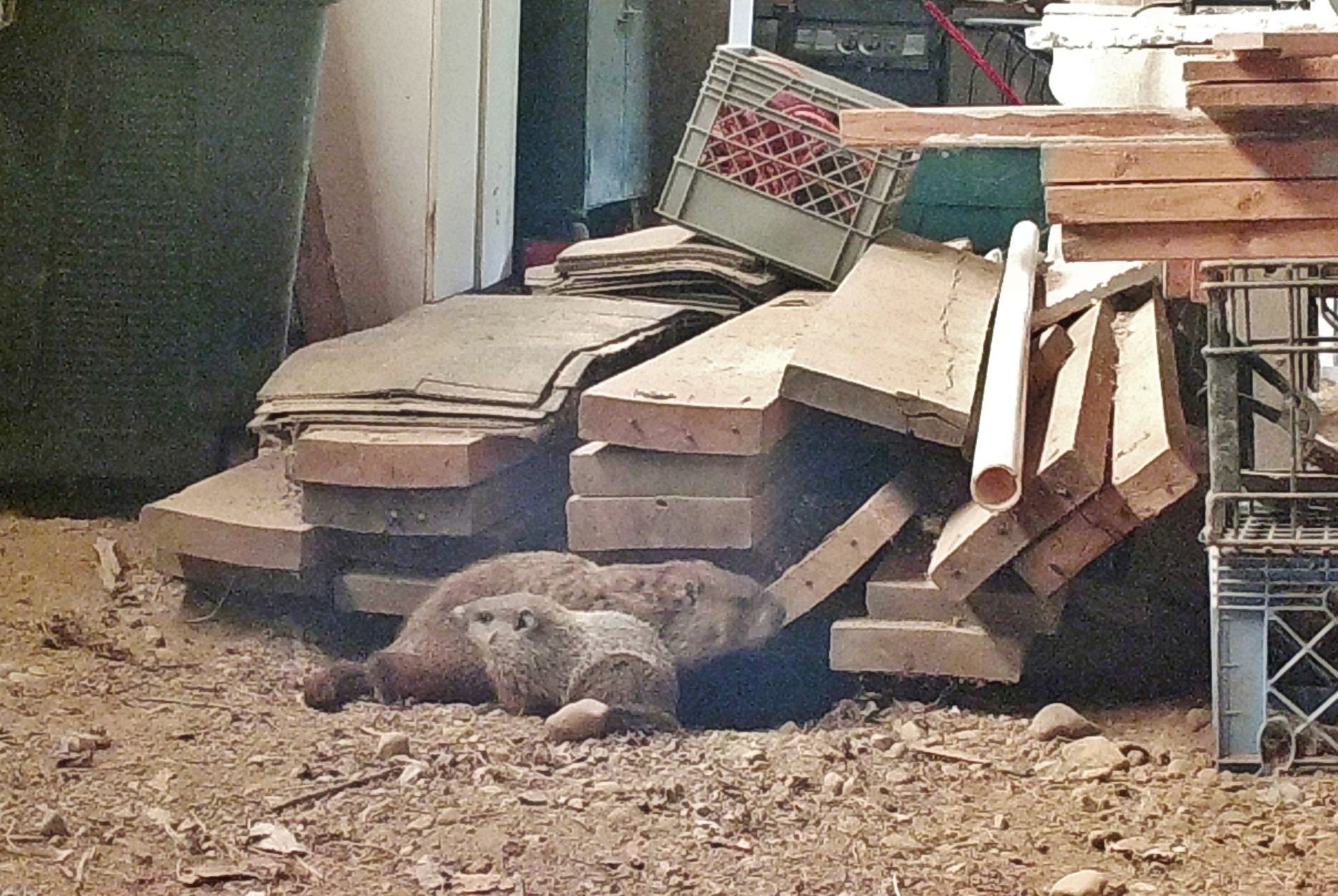
Two of the siblings appeared closely attached to each other and were most often seen together. After not seeing Winnie for about three weeks, she reappeared on July 31st missing most of her tail. Review of remote camera photos later showed that the loss of her tail occurred sometime on July 5th or July 6th. As was the case last year, red fox continued their visits to our property.





August
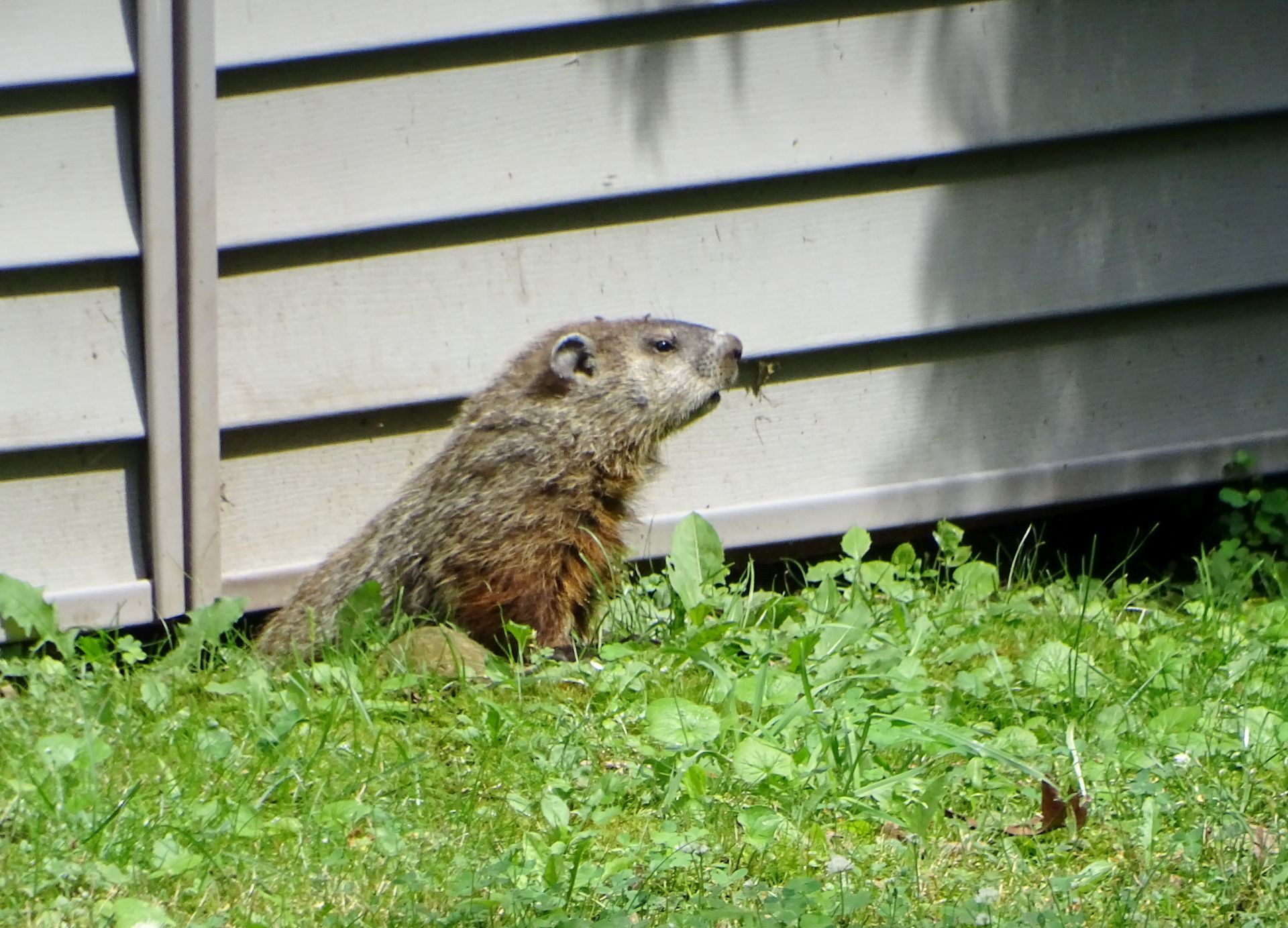
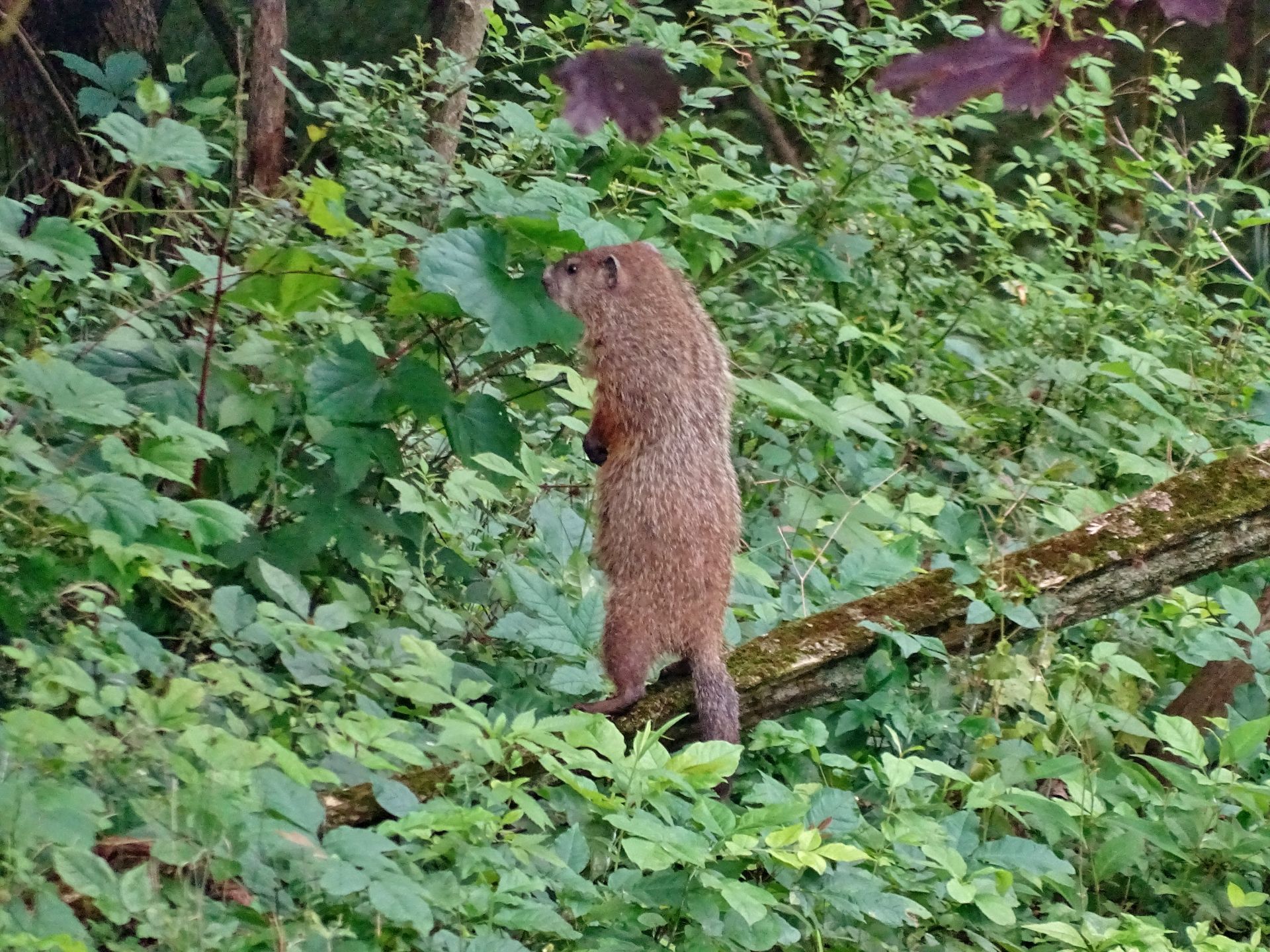
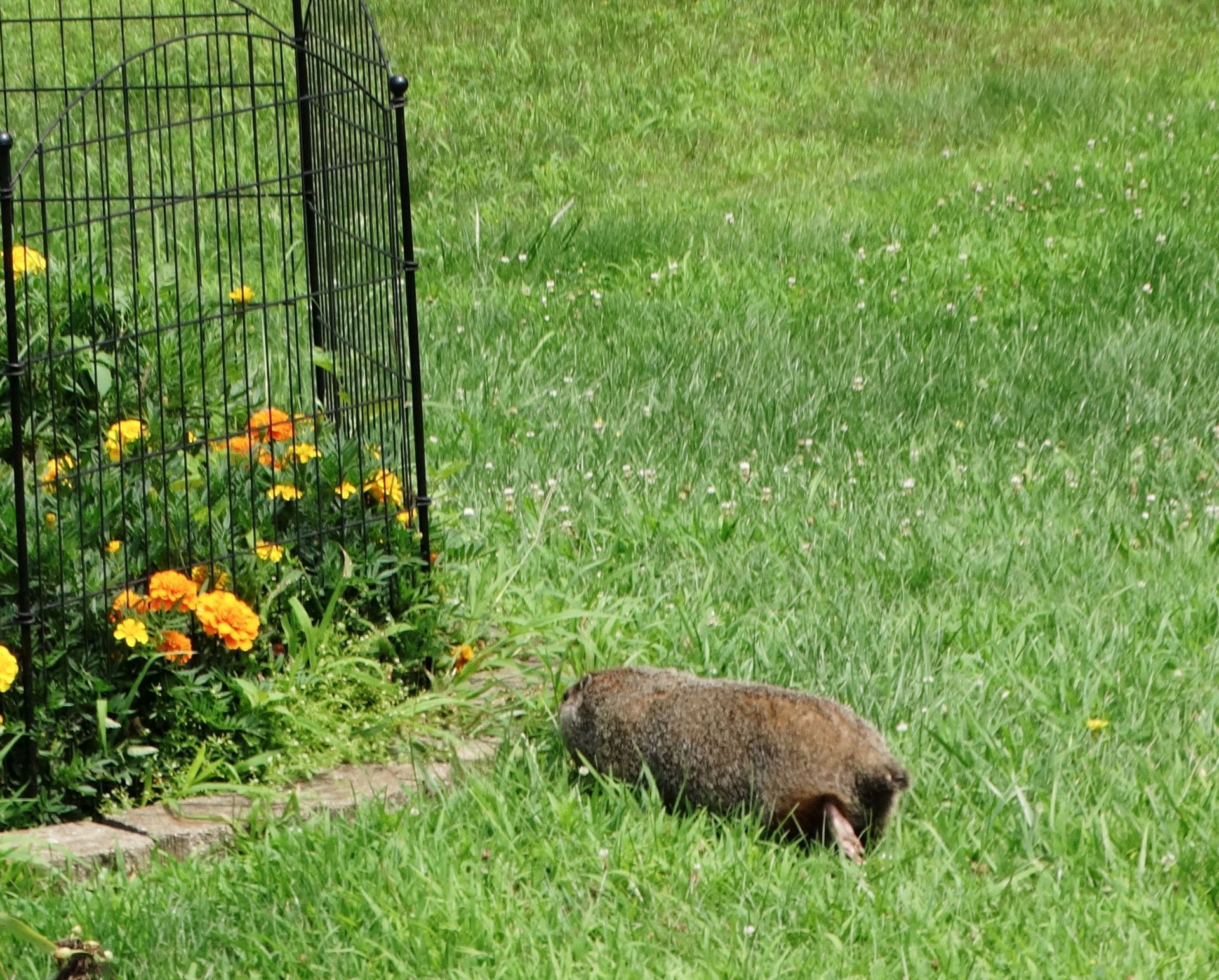
August began with an unidentified male that appeared intent on patrolling. He checked out the area thoroughly before moving off into the northeast woods. Not long after this, Winnie was seen foraging her way from the barn to the shed and then disappeared from sight. After Winnie, a juvenile arrived at the barn, remaining in the area for a while before heading toward the shed.
On August 2nd, we had a visitor who remained unidentified until later photo review for this summary confirmed his identity as Rusty. Trees behind the barn and on Lookout Hill needed cutting, but we delayed having this work done until the chucklings were older. That work was carried out on August 8th and 9th. Curious Winnie came around to see what was going on.

September
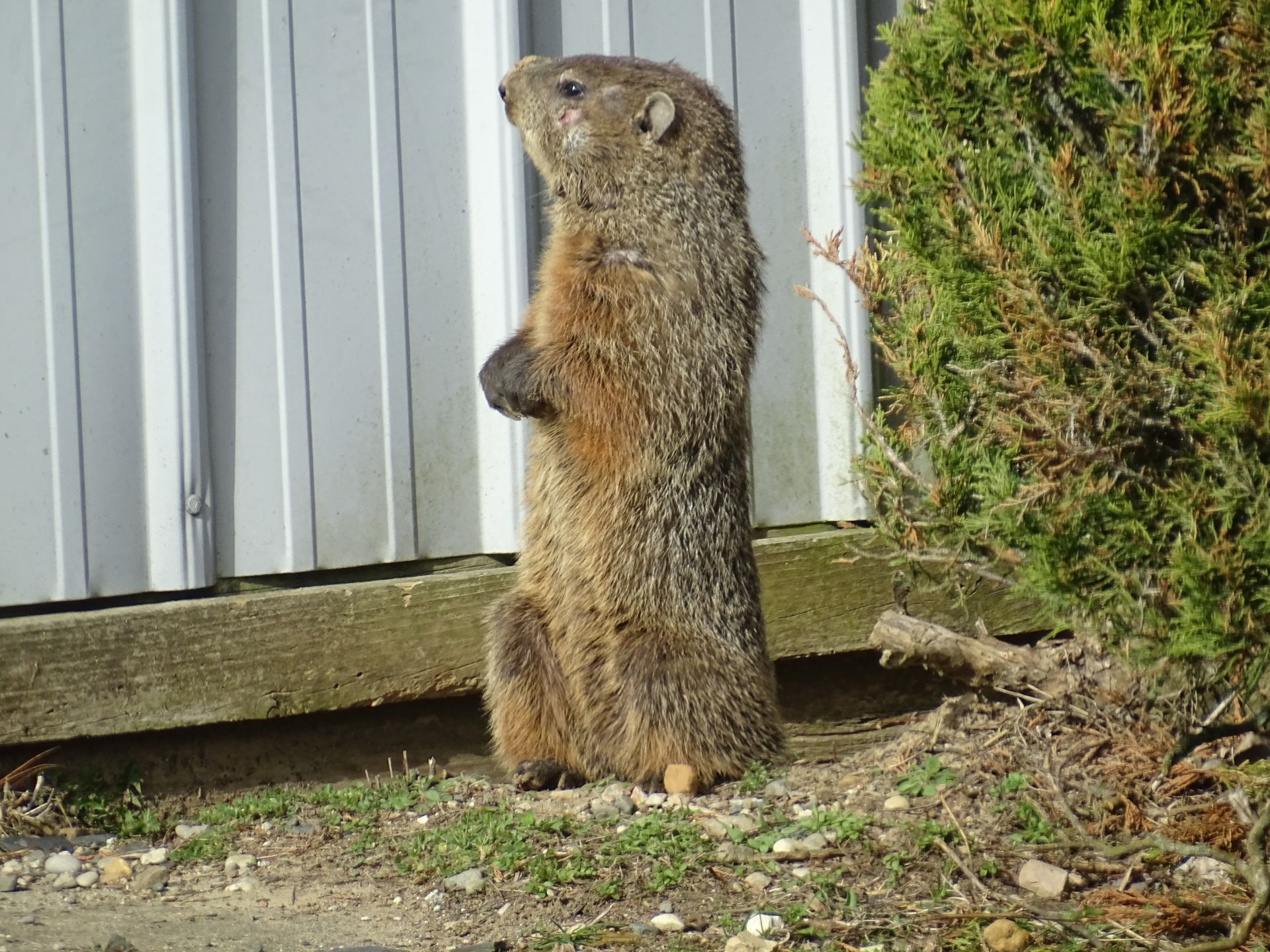
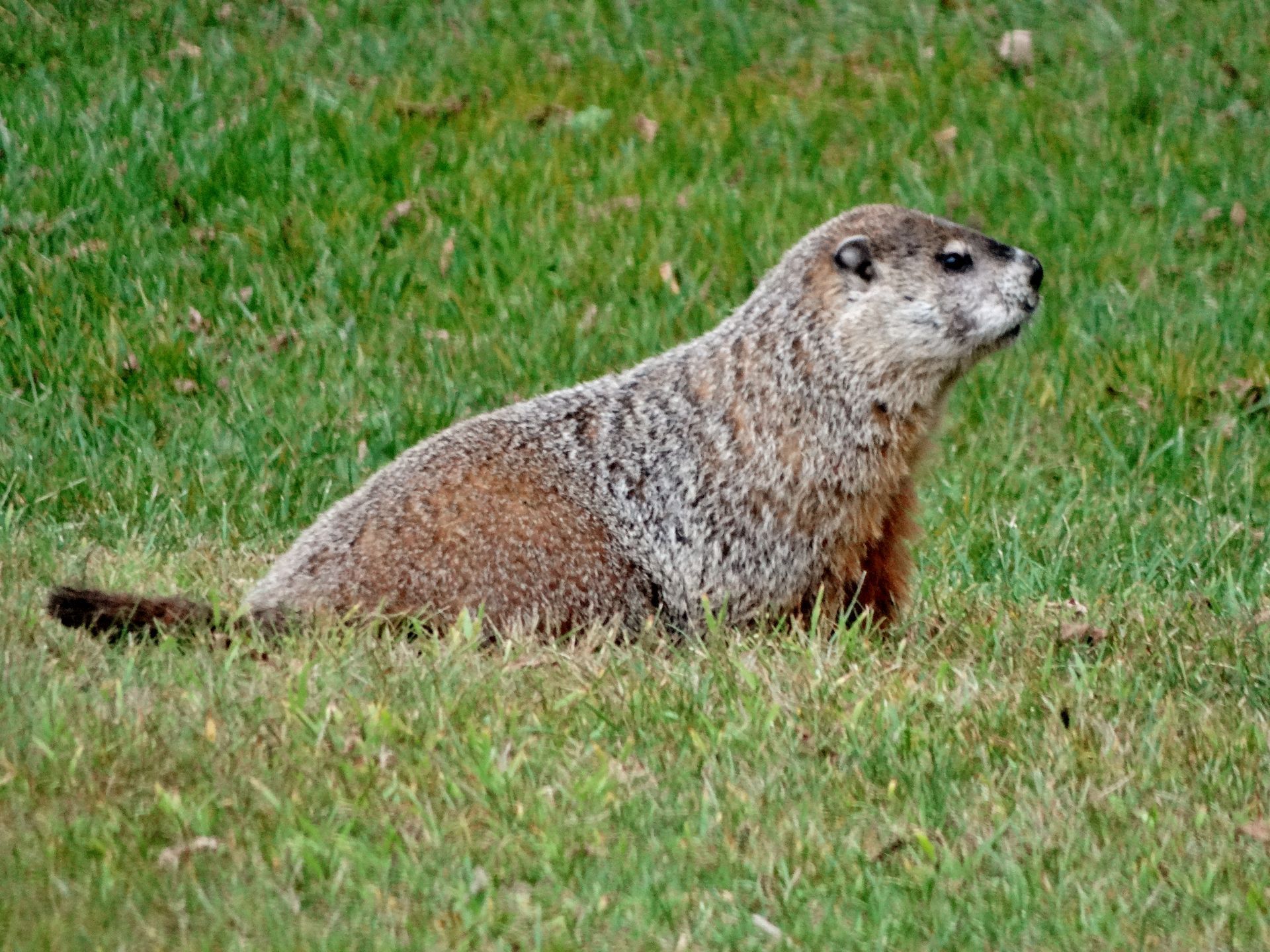
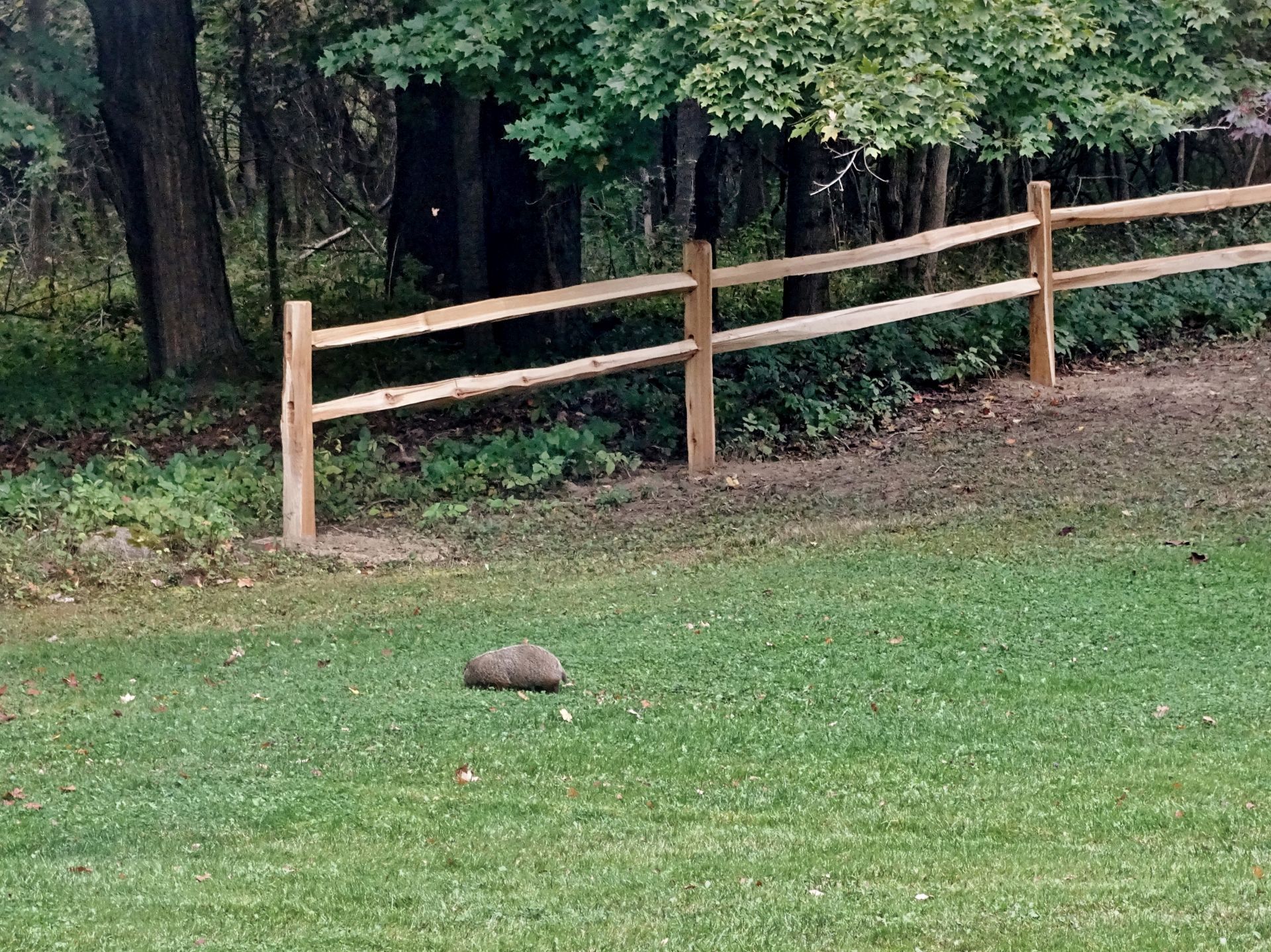
The deteriorating railing in our front yard was replaced in September. Many chucks have used the railing as an observation point, and we wanted them to continue to have that option. A new photo review determined that Rusty was the chuck seen on September 2nd. Winnie was last seen at the end of September.
October
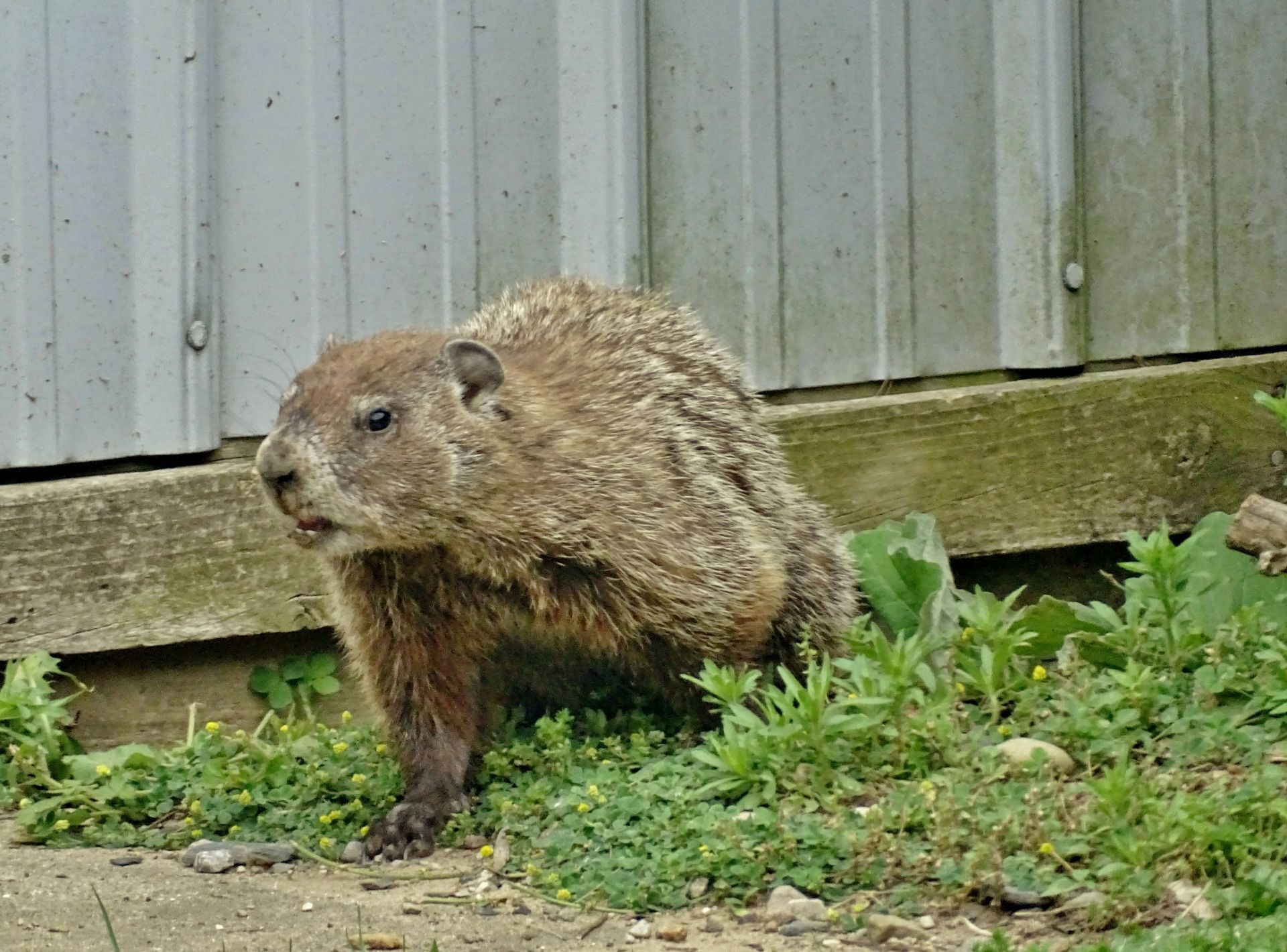
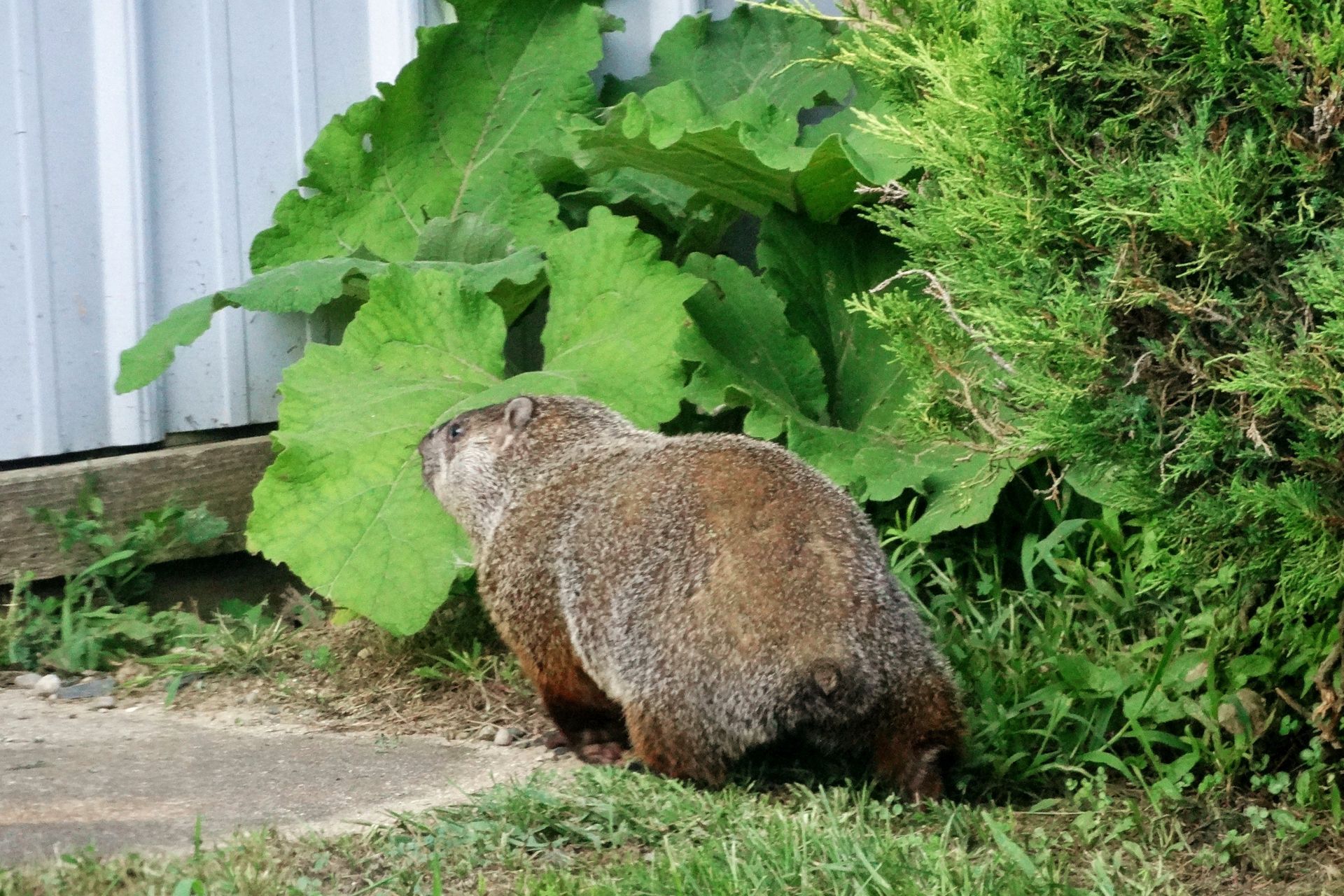
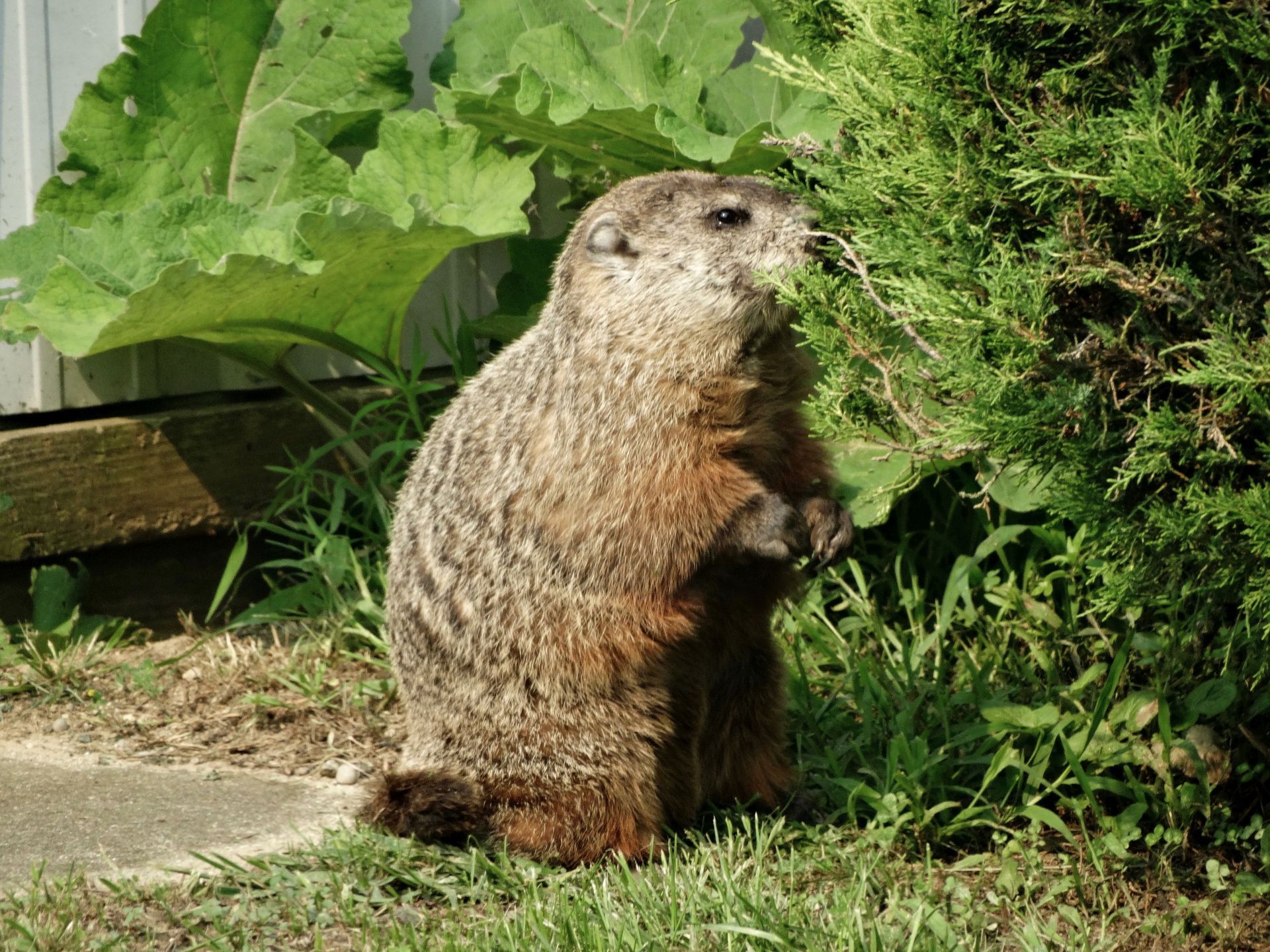
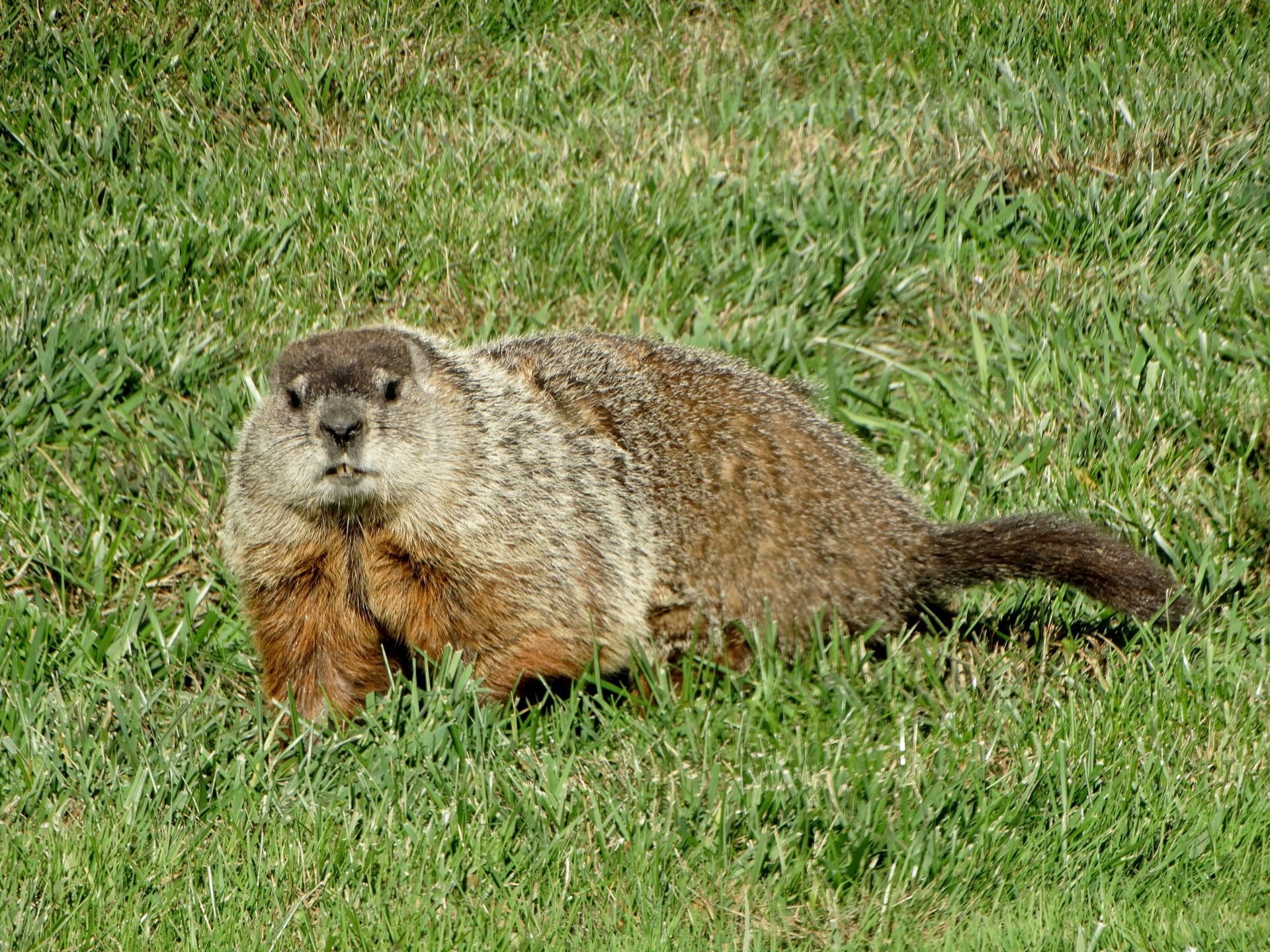
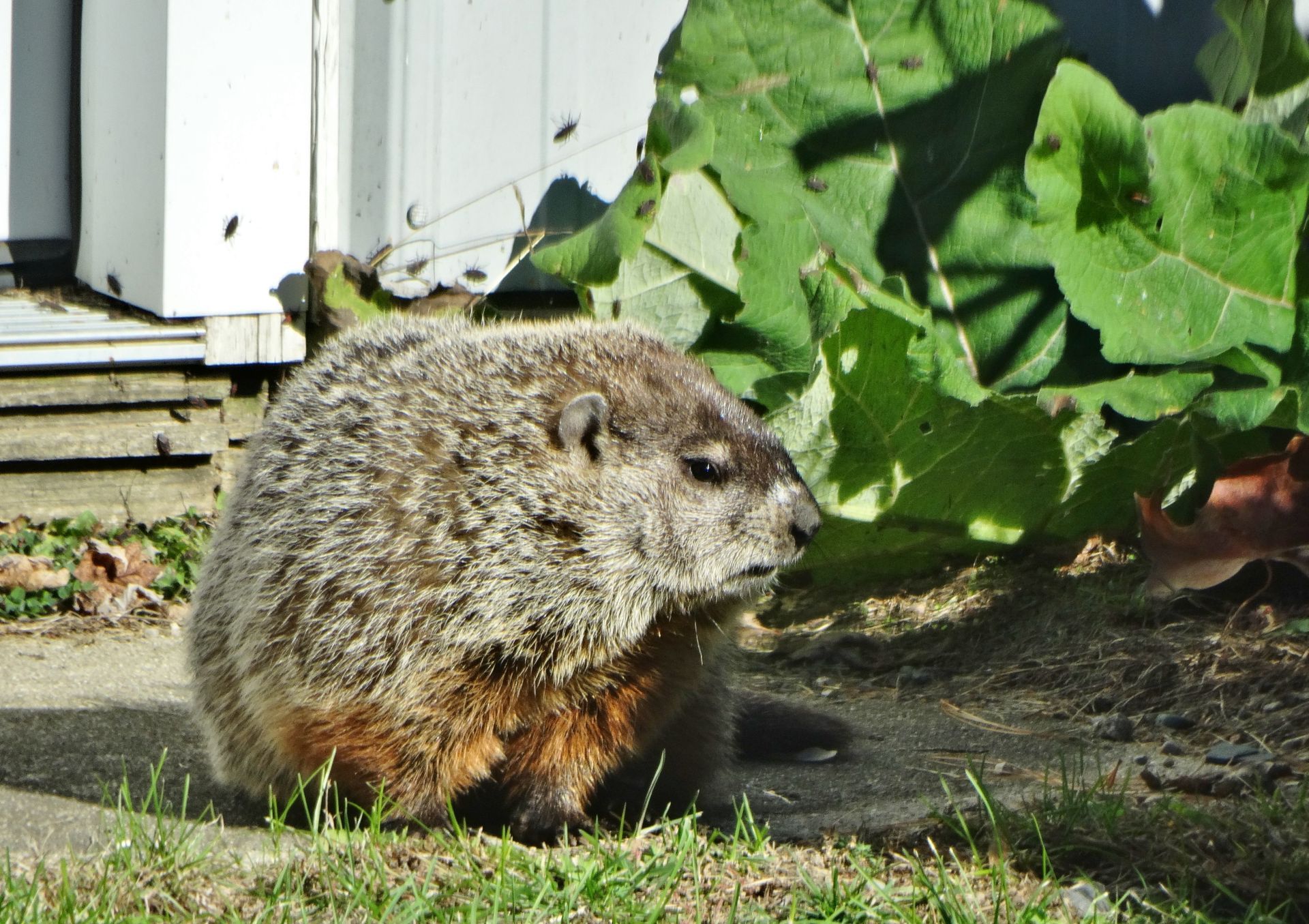
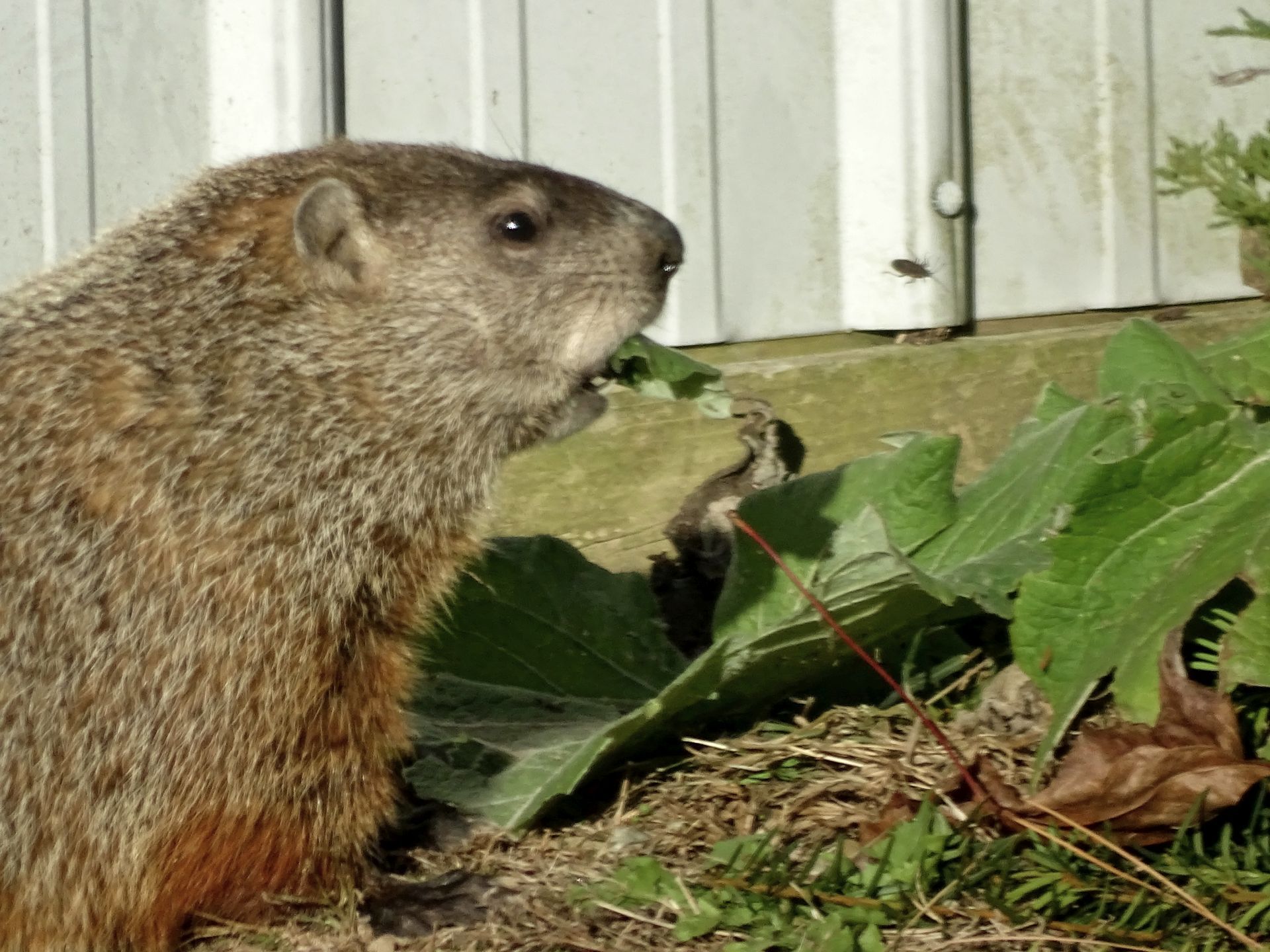
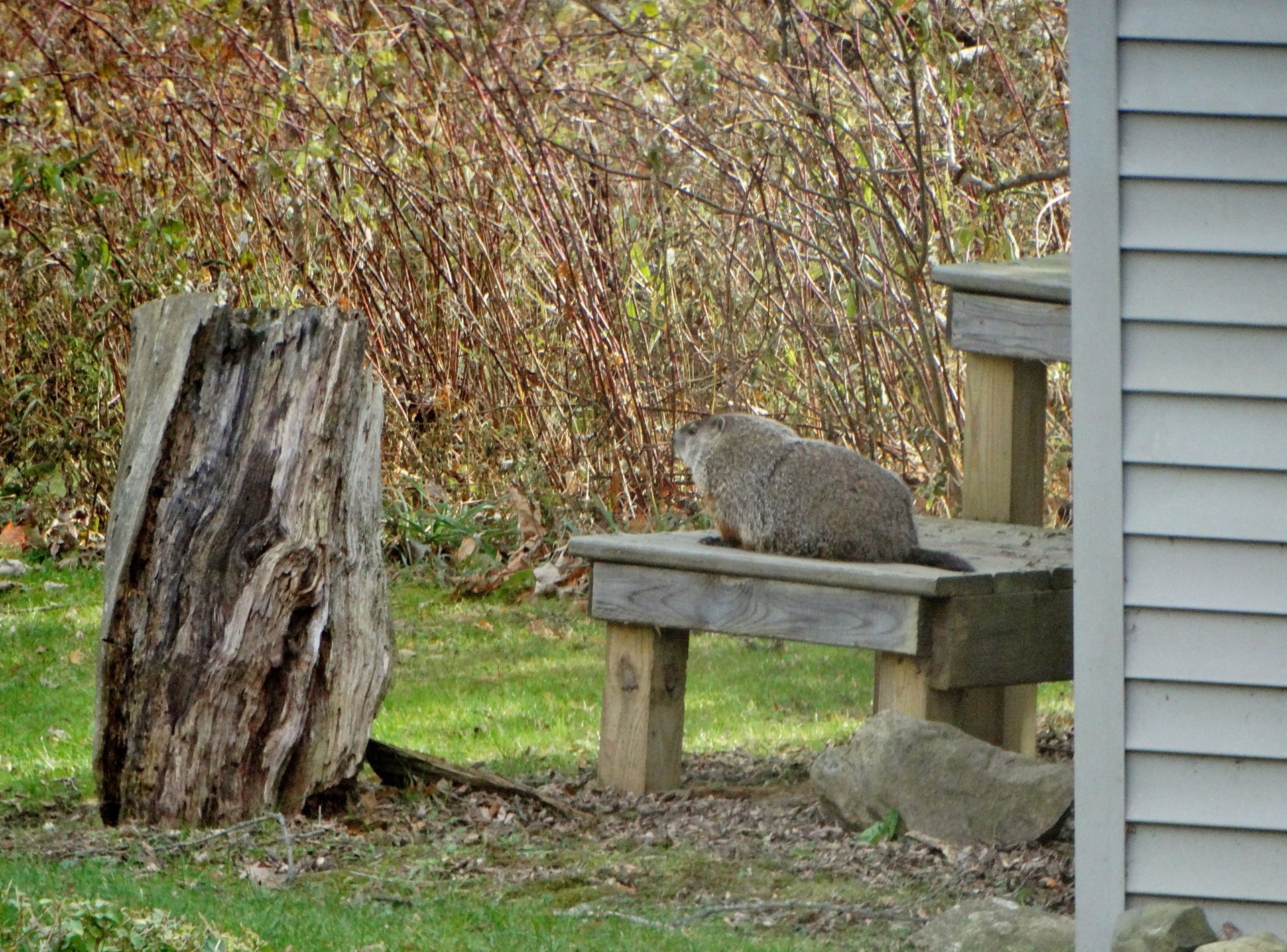
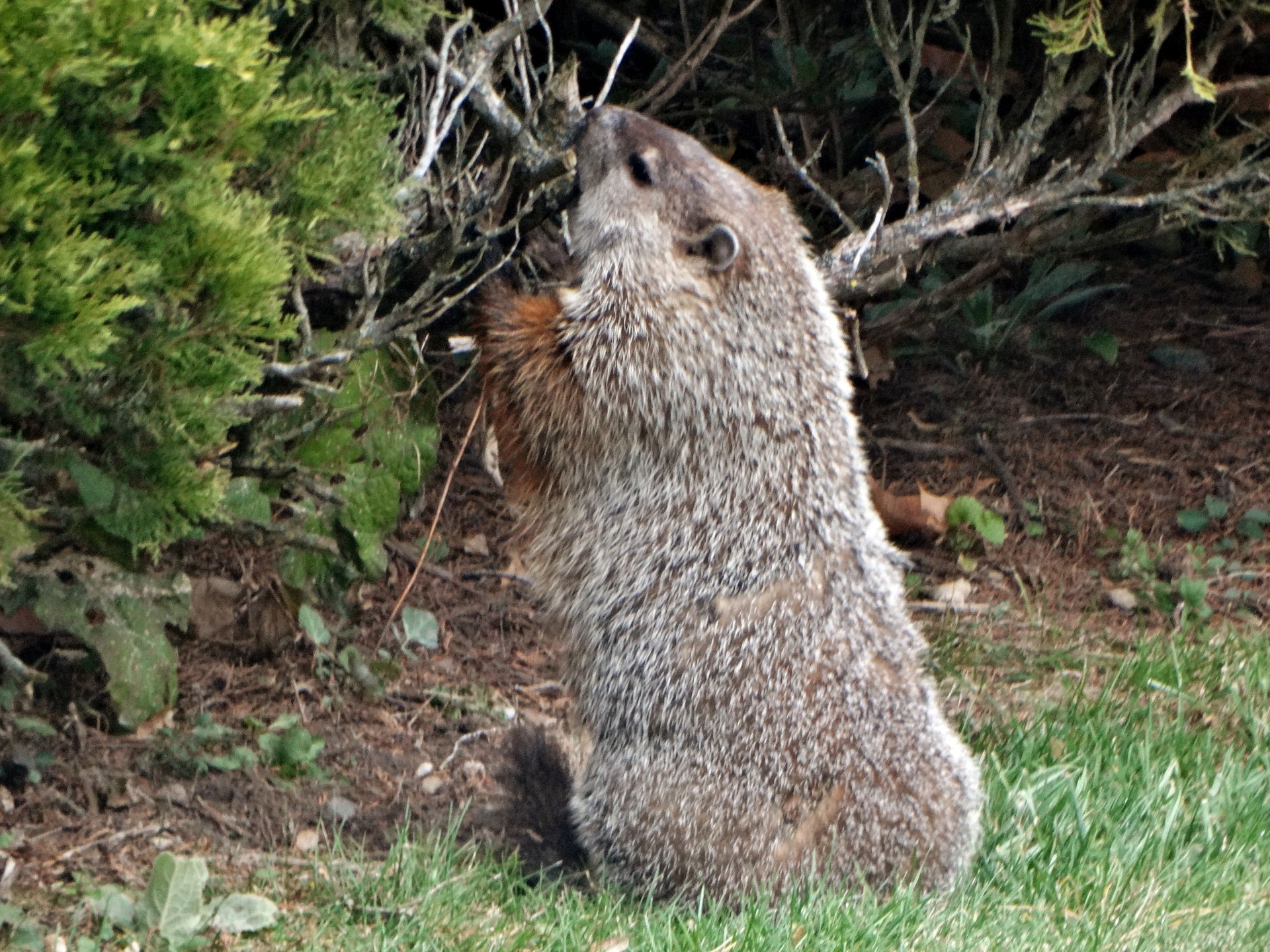
On October 17th, we were delighted to see a new groundhog visitor. We determined that the same chuck visited again on October 27th and October 28th, and we named this groundhog Charlie. Visits continued into November. Charlie was documented eating a non-native plant, Lesser Burdock (Arctium minus). This plant has been added to the Woodchuck Foods page.
November
We last saw Charlie on November 15th when the groundhog disappeared into the bushes that grow alongside the barn. With that, the 2025 groundhog season officially ended at Woodchuck Wonderland.
By Susan Sam
January 2026