Welcome to Woodchuck Wonderland
From Groundhog Day to Marmot Day: Expanding the Spotlight Beyond One Species
Fossil and genetic evidence suggests that marmots originated in North America before spreading into Eurasia across the Bering land bridge during the Pleistocene. The genus Marmota currently includes 15 recognized species distributed across North America, Europe, and Asia. Groundhog Day, however, celebrates just one: the Groundhog. As with other observances that honor related but distinct groups, clarity of focus helps ensure that each species and tradition is represented accurately.
The 15 Species of Marmots (Genus Marmota)
- Alaska Marmot (Marmota broweri) – Northern Alaska
- Alpine Marmot (Marmota marmota) – Alps, Carpathians, Pyrenees
- Black-capped Marmot (Marmota camtschatica) – Siberia
- Bobak Marmot (Marmota bobak) – Eastern Europe, Central Asia
- Forest-steppe Marmot (Marmota kastschenkoi) – Southwestern Siberia
- Gray Marmot (Marmota baibacina) – Kazakhstan, China, Mongolia
- Groundhog / Woodchuck (Marmota monax) – North America
- Himalayan Marmot (Marmota himalayana) – Himalayas, western China
- Hoary Marmot (Marmota caligata) – Alaska, Canada, Northwestern United States
- Long-tailed Marmot (Marmota caudata) – Central Asia
- Menzbier’s Marmot (Marmota menzbieri) – Western Tian Shan Mountains
- Olympic Marmot (Marmota olympus) – Olympic Peninsula, Washington
- Siberian Marmot / Tarbagan (Marmota sibirica) – Siberia and Mongolia
- Vancouver Island Marmot (Marmota vancouverensis) – Vancouver Island, Canada
- Yellow-bellied Marmot (Marmota flaviventris) – Rocky Mountains, Sierra Nevada
Groundhog Day (Established 1887)
Groundhog Day traces its origins to European Candlemas traditions observed on February 2. German settlers in Pennsylvania adapted weather lore associated with badgers or hedgehogs, substituting the groundhog. The first recorded newspaper reference appeared in 1886, and the first organized trip to Gobbler’s Knob occurred in 1887.
Although various legislative efforts have sought formal recognition, Groundhog Day remains largely a ceremonial observance rather than a codified public holiday.
Groundhog Day celebrates one species: Marmota monax. On this day, photos and video of groundhogs are appropriate.
National Squirrel Appreciation Day (Established 2001)
Celebrated annually on January 21 and founded by wildlife rehabilitator Christy Hargrove, National Squirrel Appreciation Day honors more than 200 species within the family Sciuridae, which includes tree squirrels, ground squirrels, prairie dogs, chipmunks, and marmots.
On this day, photos and video of any species within the Sciuridae family are appropriate
Marmot Day – Owosso, Michigan (Established 2002)
Observed each July 25 (or the following Monday if the 25th falls on a weekend), Marmot Day in Owosso recognizes all marmot species, including the groundhog.
On this day, photos and video of any of the 15 marmot species are appropriate
Prairie Dog Day – New Mexico (Established 2006)
In 2006, the City of Albuquerque and Santa Fe, New Mexico declared February 2nd as Prairie Dog Day. It was established to promote the protection of prairie dogs and their habitat. The day was created by WildEarth Guardians as an alternative to Groundhog Day in the West.
In 2007, Boulder, CO Mayor Mark Ruzzin and the Lakewood, CO City Council Boulder issued proclamations declaring February 2, 2007 Prairie Dog Day, and pledged to honor the importance of this Western icon of the prairie and mountain grasslands. Prairie Dogs are members of the squirrel family (Sciuridae).
On this day, images of Prairie Dogs to celebrate Prairie Dog Day are appropriate while being mindful that on February 2 much of North America celebrates Groundhog Day
Marmot Day – Alaska (Established 2009)
In 2009, the Alaska State Legislature established Marmot Day as an official state observance on February 2. While groundhogs occur only in limited areas of east-central Alaska, and the Yukon Territory., the state is home to two widely distributed native marmot species: the Alaska Marmot and the Hoary Marmot.
The groundhog is primarily a lowland species, preferring fields, woodland edges, brushy clearings, and agricultural landscapes. In contrast, Alaska’s native marmots inhabit tundra, rocky slopes, and alpine environments. Marmot Day in Alaska shifts the focus from a single species to the broader diversity within the genus Marmota.
On this day, all 15 marmot species are celebrated.
Appearance and Habitat Differences Among Marmot Species
Although Groundhog Day centers on the groundhog, marmot species occupy a wide range of environments. The groundhog is primarily a lowland animal found in fields, woodland edges, and agricultural areas throughout much of the eastern and central United States and southern Canada. It constructs extensive burrow systems in soil.
Historically, the groundhog has often been described as less social than many marmot species. However, research by behavioral ecologists including Chris Maher has demonstrated that Marmota monax exhibits more complex social organization than once assumed, including territorial overlap, social tolerance, and context-dependent interactions. Continued long-term field observations contribute to a more nuanced understanding of groundhog social behavior, particularly regarding male interactions and seasonal dynamics.
By contrast, species such as the Alpine Marmot of Europe and the Hoary Marmot of western North America are commonly associated with alpine meadows, talus slopes, and rocky terrain at higher elevations. Many Eurasian marmot species inhabit mountainous or steppe regions far removed from the lowland habitats typical of Marmota monax.
Physical characteristics vary across the genus. Differences in body proportions, fur density, facial markings, and overall pelage tone reflect adaptation to climate and terrain. While most marmots are shades of brown or gray, species in open alpine or tundra environments often exhibit lighter pelage, whereas those in forested regions may appear darker. Fur coloration is strongly associated with thermoregulation, influencing the absorption and reflection of solar radiation, and may also relate to broader physiological processes, as suggested by Armitage (2009).
Like all rodents, marmots possess continuously growing incisors containing iron pigments that may produce yellow to orange coloration. The Ohio Department of Natural Resources describes groundhog incisors as typically appearing white to ivory in tone in comparison to many other rodents. However, tooth coloration varies among individuals and species and should not be used as a sole identifying feature.
Another anatomical difference between the North American groundhog and many other marmot species involves the number of mammary glands. The groundhog (Marmota monax) typically has eight mammae, arranged in two symmetrical rows extending from the thoracic to the inguinal region. In contrast, many other marmot species commonly have ten mammae. This difference is noted in anatomical studies of the woodchuck and reflects variation within the marmot genus.
No single characteristic should be used alone for identification. Geographic location, habitat type, and overall body structure provide more reliable indicators when distinguishing among marmot species. Understanding these distinctions enhances both public appreciation and accurate visual representation of marmot species worldwide.
Sidebar: Identifying Marmot Species
When identifying marmots in photographs, context matters.
Geographic location is one of the most reliable indicators. The groundhog occurs only in North America, while the Alpine Marmot is native to Europe.
Habitat type also provides important clues. Lowland soil burrows are characteristic of groundhogs, whereas many alpine and northern marmot species construct burrows beneath boulders or within talus slopes.
Physical features — including body proportions, fur coloration, and visible incisor tone — may vary among species. However, no single characteristic should be used alone for identification. A combination of geographic, environmental, and anatomical context offers the most accurate approach.
Examples of Two Marmot Species in Their Native Habitats
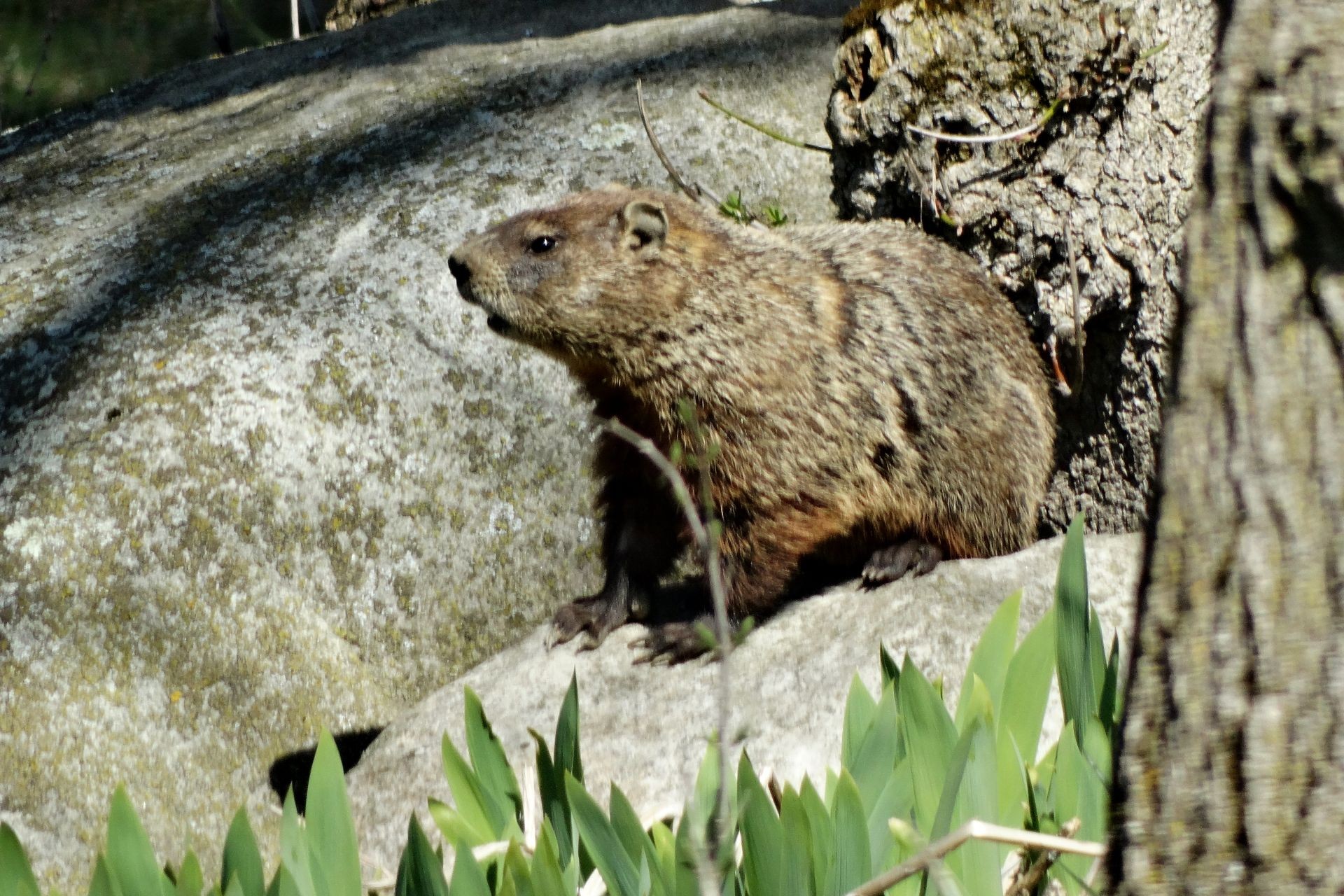
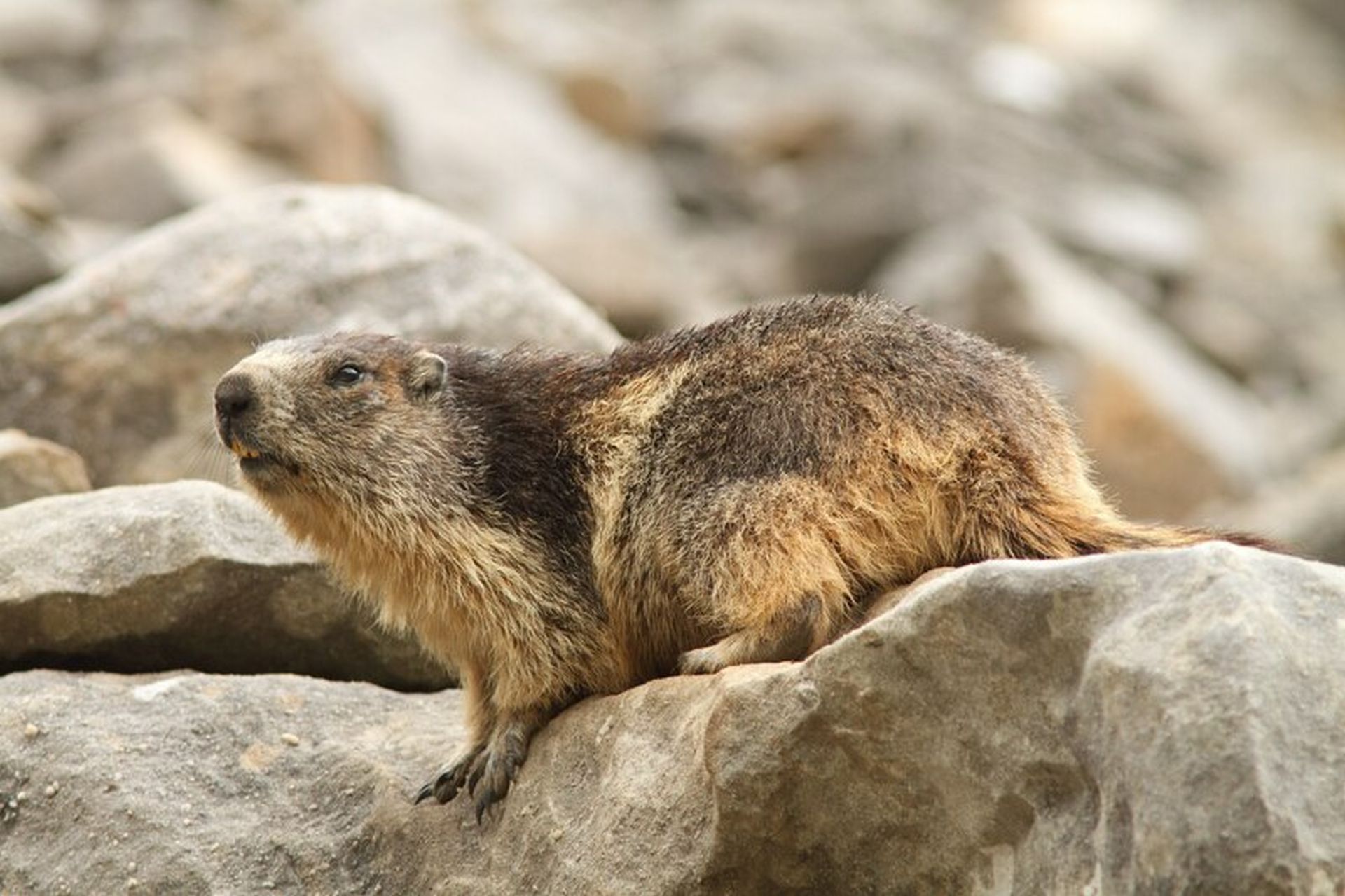
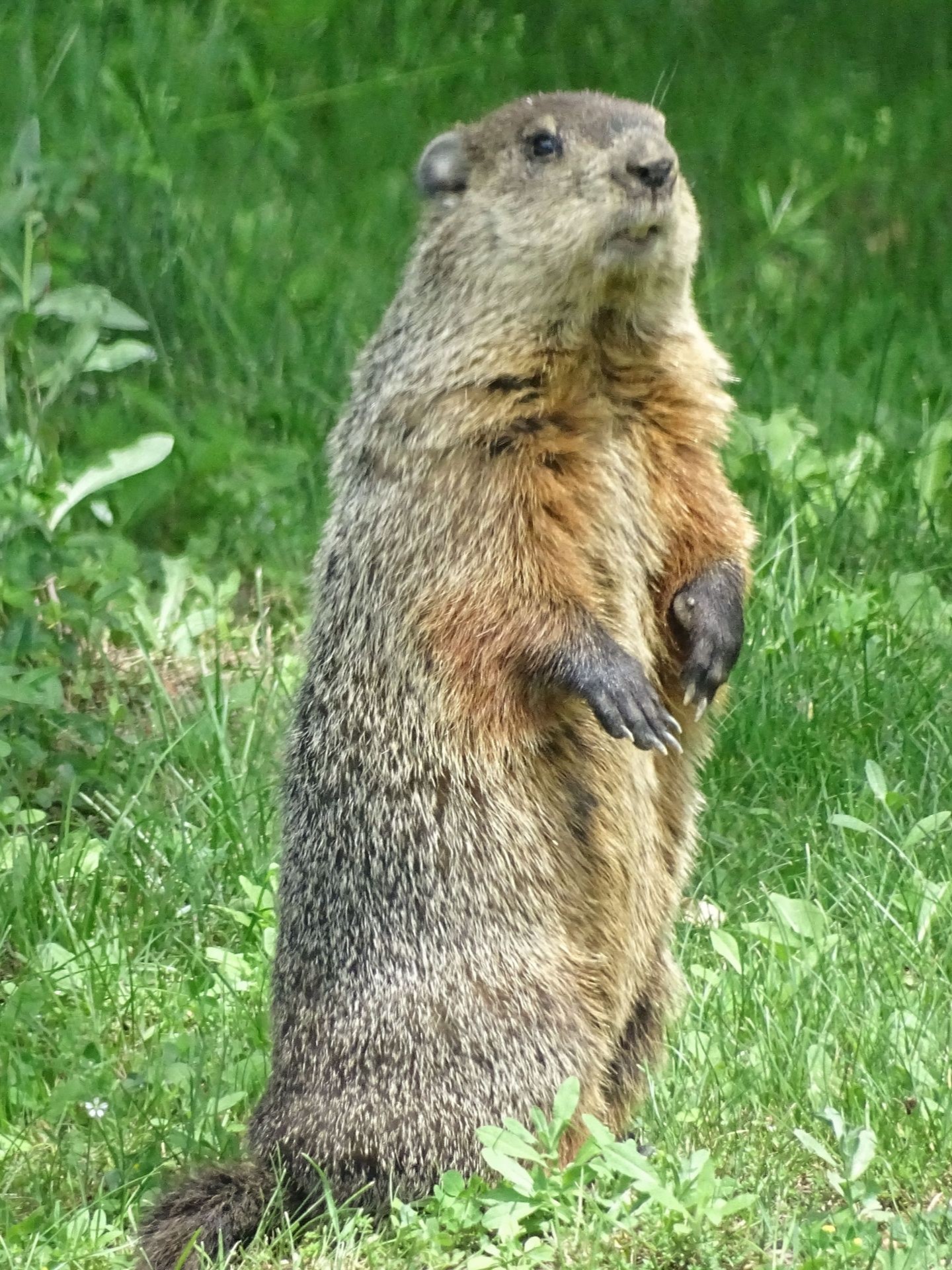
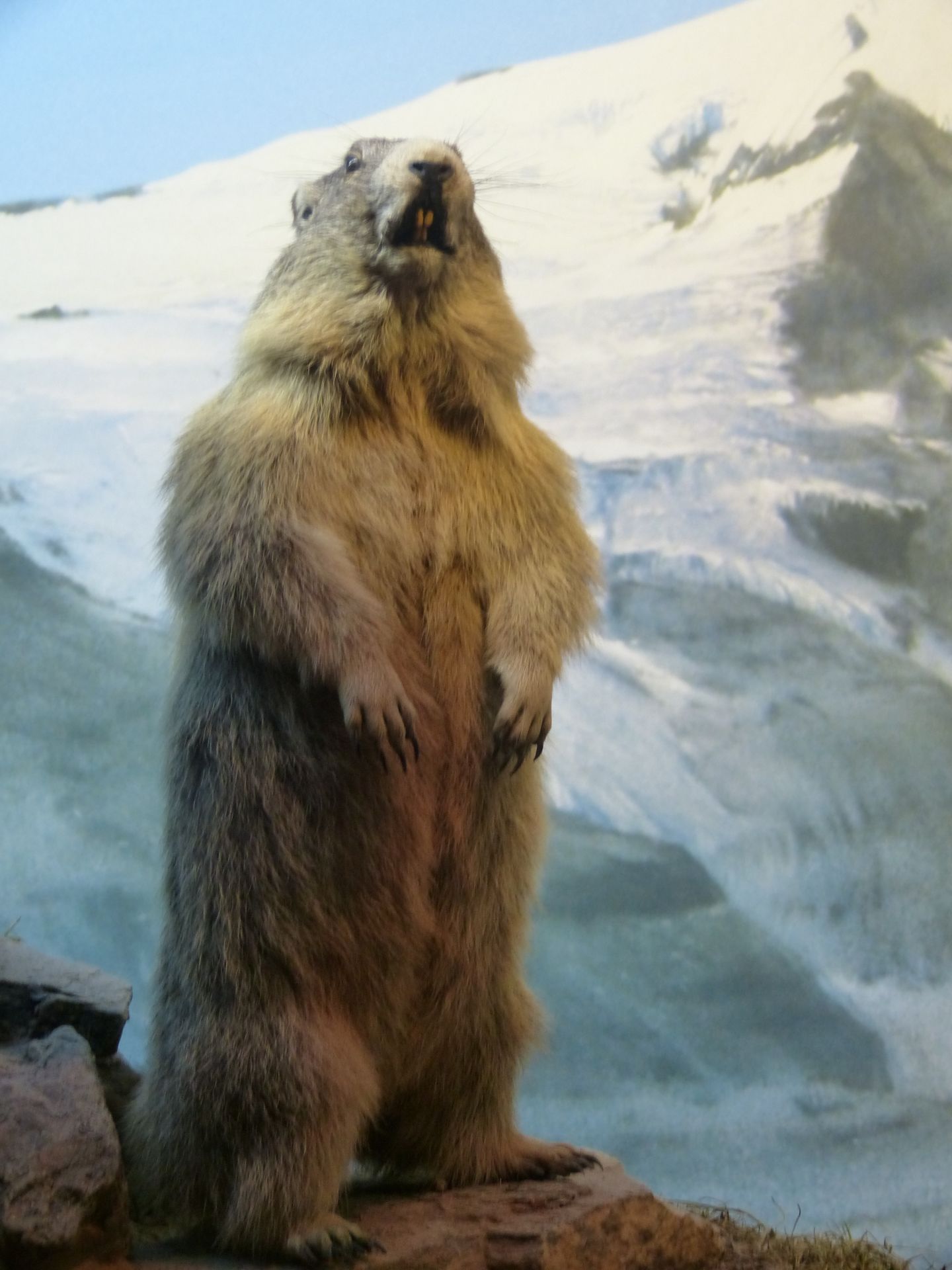
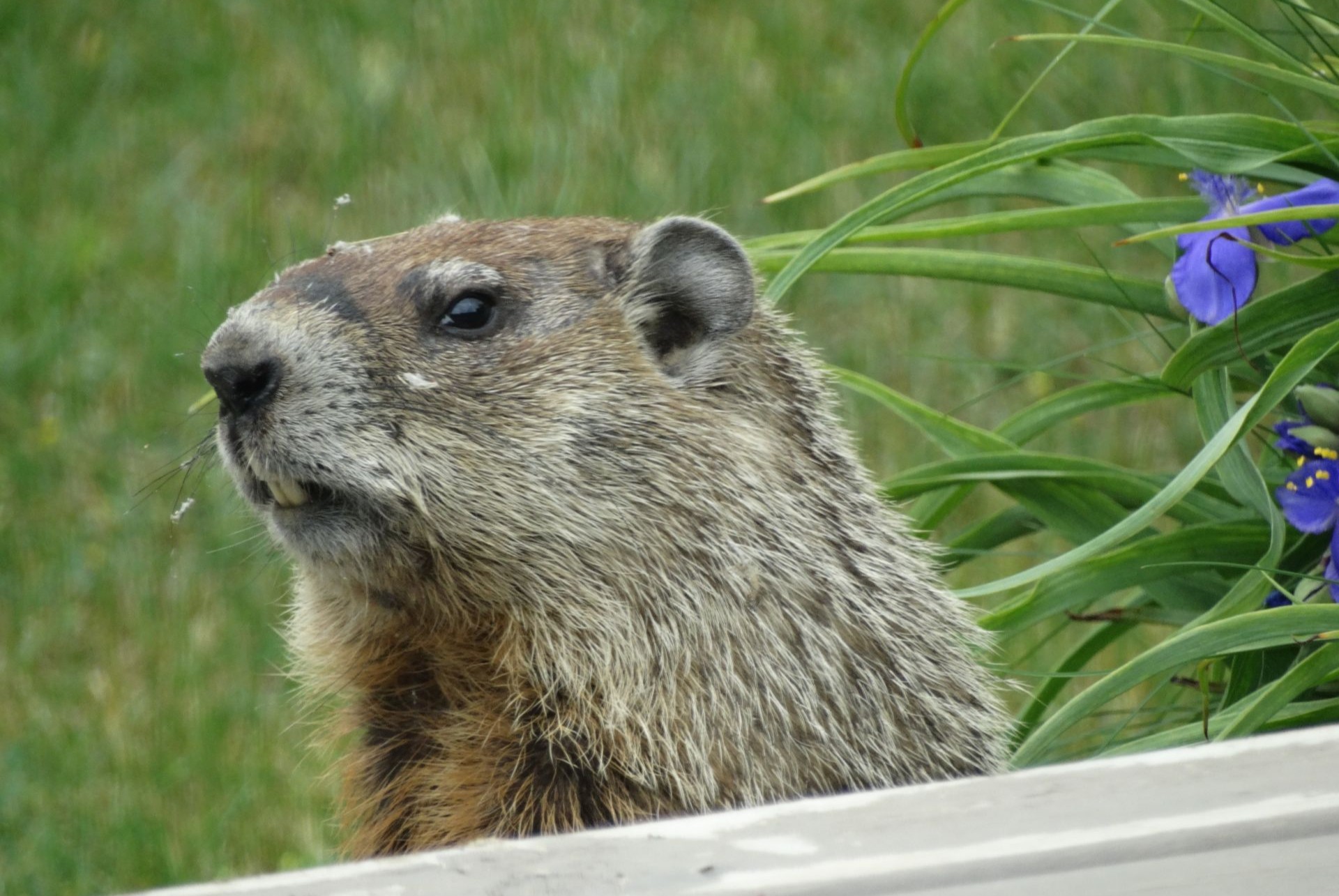
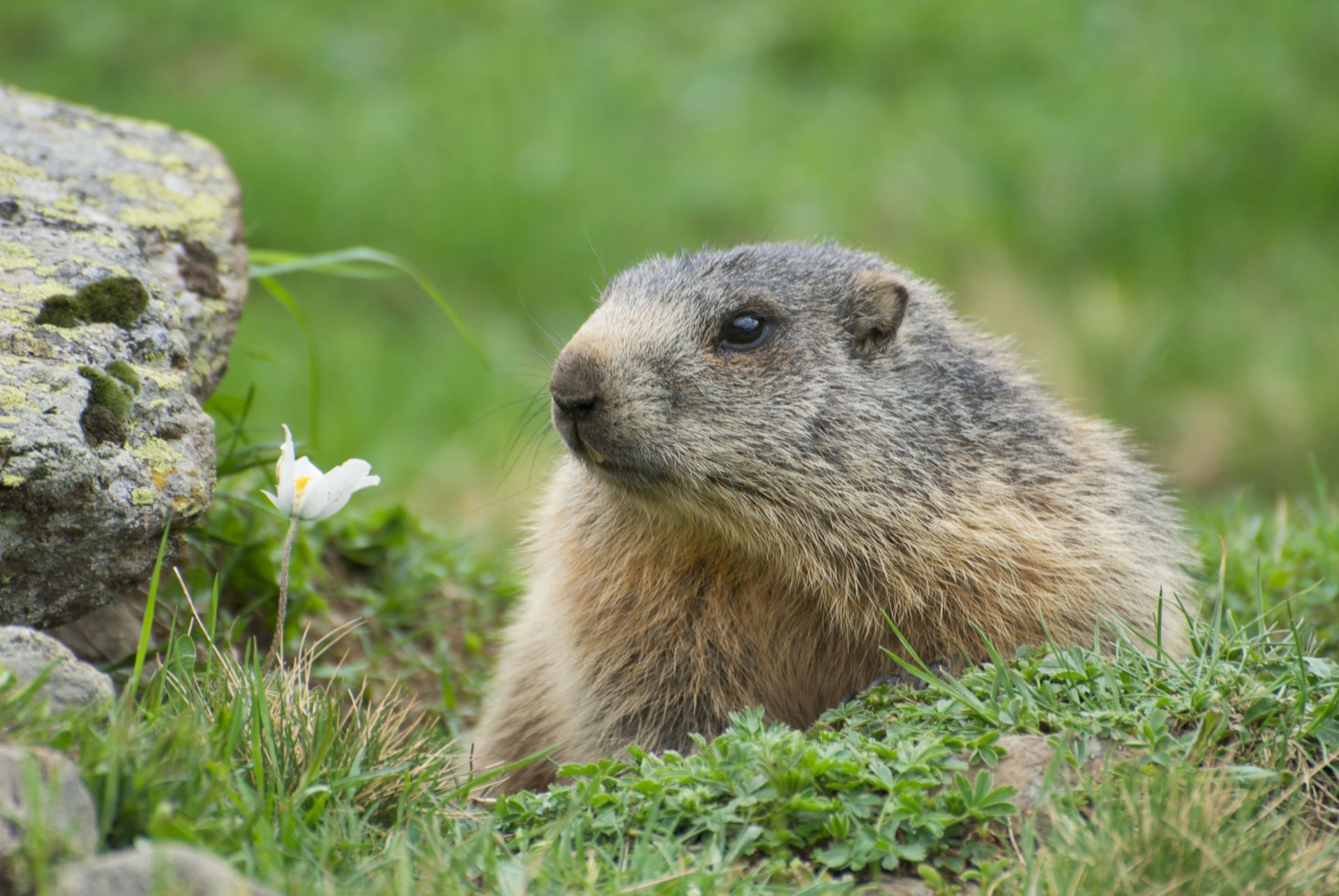
Alpine marmot photo credits:
1 Bouke ten Cate, CC BY 4.0, via Wikimedia Commons
2 Wolfgang Sauber, CC BY-SA 4.0, via Wikimedia Commons

3 Bernie, Public domain, via Wikimedia Commons

Groundhog photo credits:
Susan Sam
Sources
Alaska Department of Fish and Game.
“Marmot Day.” State of Alaska.
https://www.adfg.alaska.gov
Alaska State Legislature.
Senate Bill 58 (2009), Establishing Marmot Day.
Armitage, Kenneth B. 2009.
“Fur Color Diversity in Marmots.” Ethology Ecology & Evolution 21: 183–194.
Arnold, Walter. 2019.
“Marmots.” Current Biology 29(16): R779–R780.
Britannica.
“Groundhog” and “Marmot.” Encyclopaedia Britannica.
https://www.britannica.com
Ohio Department of Natural Resources.
“Groundhog (Marmota monax).” Division of Wildlife.
https://ohiodnr.gov
Marmot Burrow (UCLA).
“Marmots of the World.” University of California, Los Angeles.
https://www.marmotburrow.ucla.edu/marmots.html
Marmot Day Owosso.
https://www.marmotday.com/about-marmot-day/
Bezuidenhout, A. J. & Evans, H. E. 2005.
“Anatomy of the Woodchuck” (Marmota Monax).
American Society of Mammalogists.